The weird ceramic goat that changed how we think about ancient farming
The Goat That Guarded the Grain
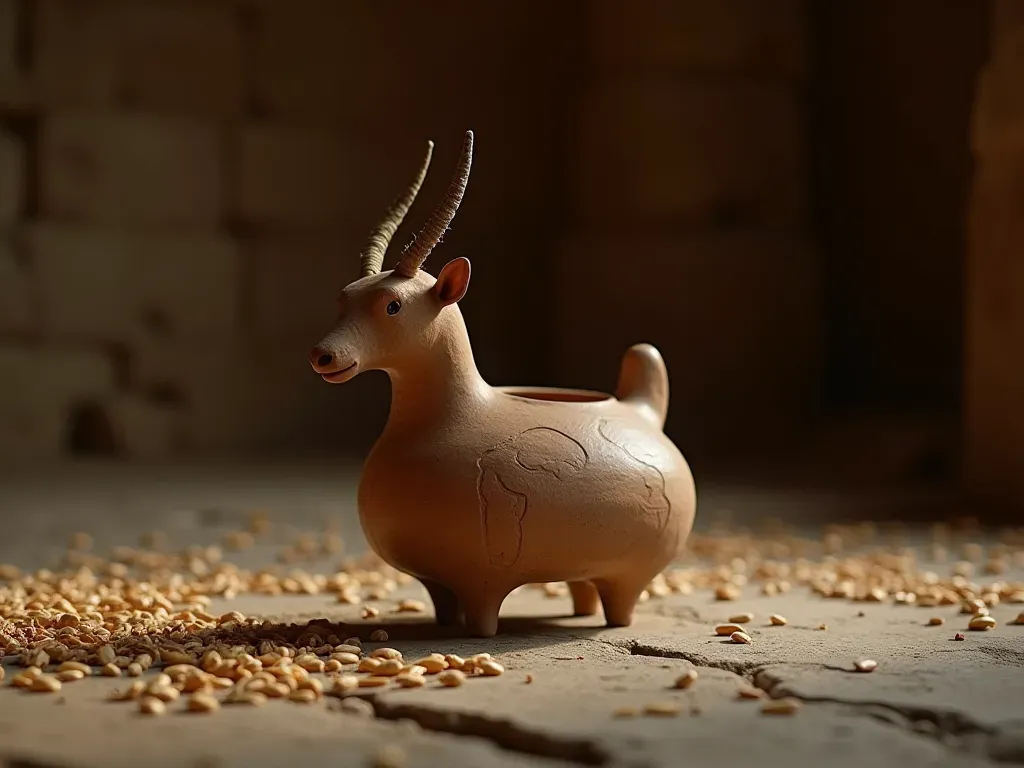
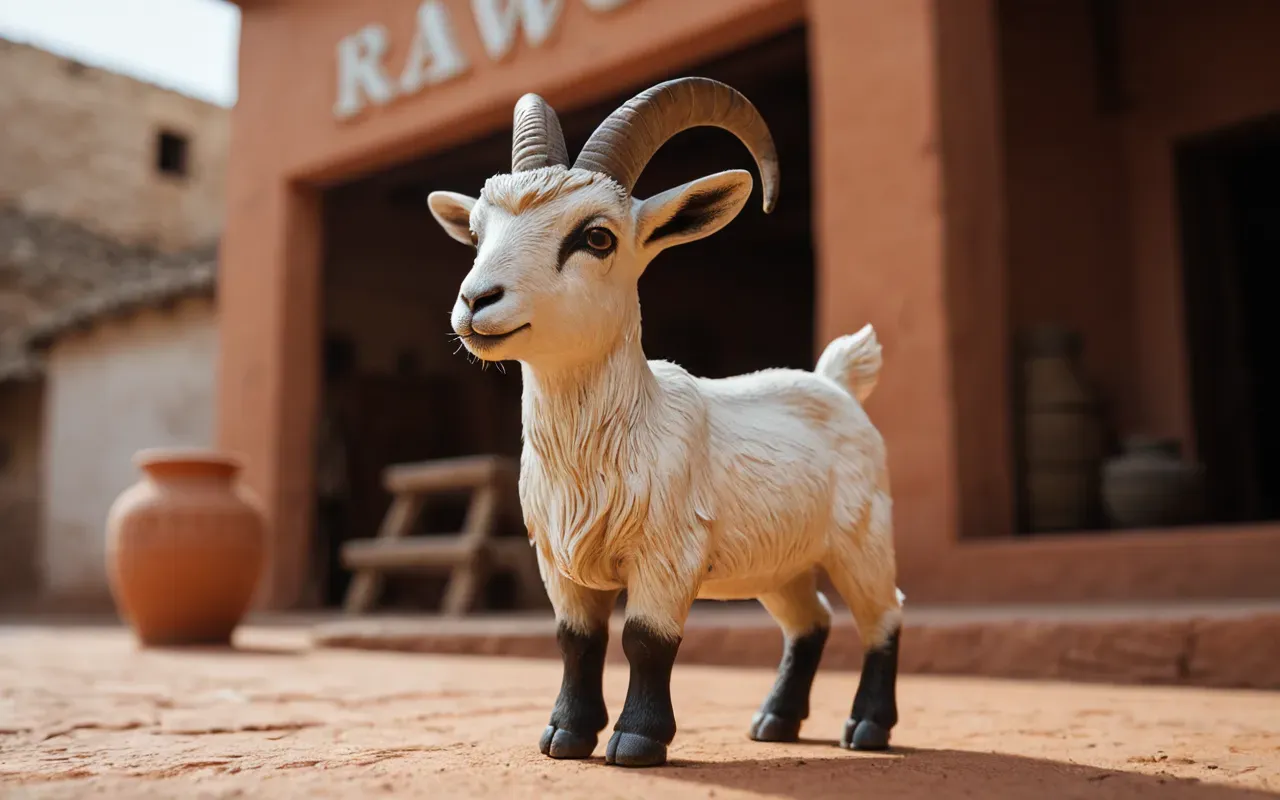
Picture a tiny ceramic animal. It looks like a little table with legs.
Now set it down beside sacks of ancient wheat. That's precisely what turned up.
Archaeologists in North Macedonia pulled this strange object out of an eight-thousand-year-old house. The find throws a wrench into what we assume about early farming.
The usual image of Neolithic people? Simple laborers. They farmed, they stored food, they survived.
But this ceramic goat says otherwise. It hints that grain carried spiritual weight.
Why This Changes Everything About Ancient Homes
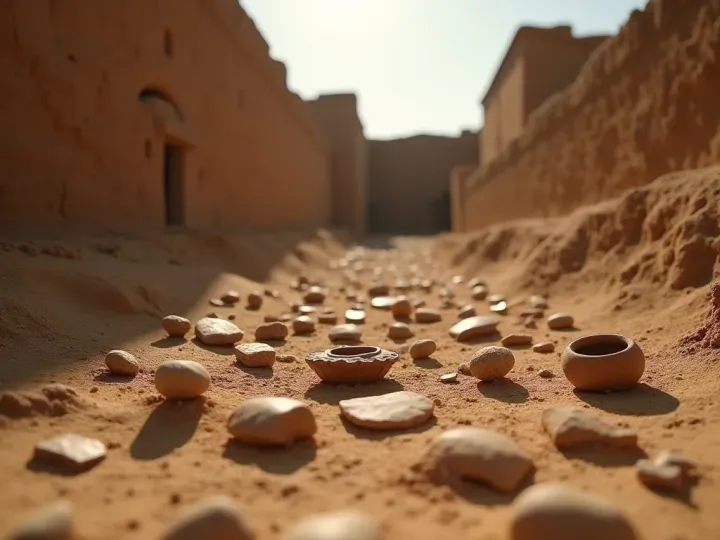
The site is called Atici-Spomenik. It sits near Lake Dojran in southern North Macedonia.
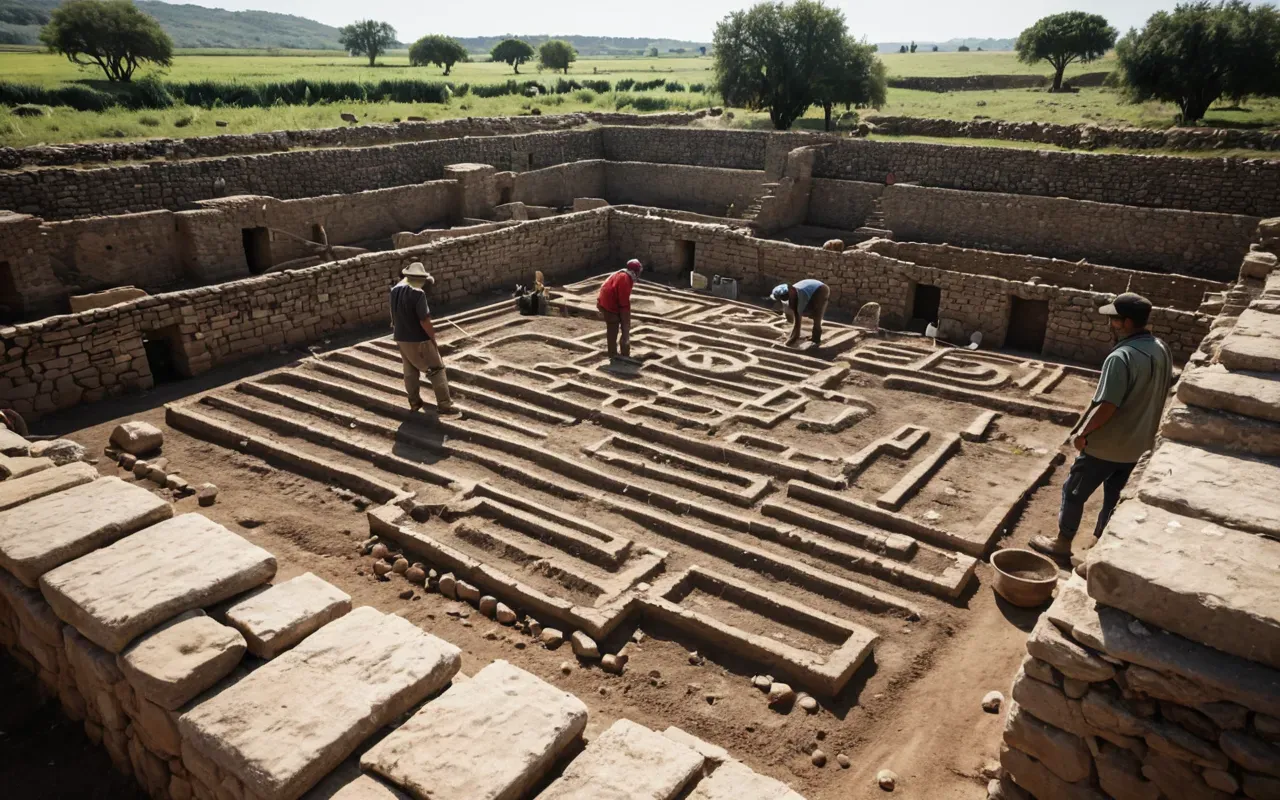
Digs started there decades ago, then picked back up recently with new tools. Geomagnetic surveys mapped out structures still buried underground.
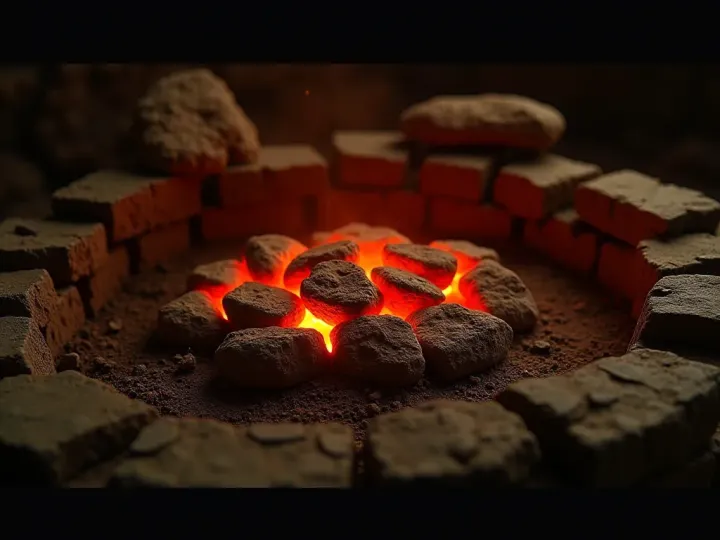
Inside one building, researchers found rectangular and circular clay installations. Storage for cereals, most likely.
Here's the surprising part. This building may have been a communal facility — not just one family's house.
That points to a level of social organization nobody expected. Early communities were sharing resources in structured ways.
What struck me was how practical and symbolic these spaces were at once. The line between utility and ritual gets blurry.
The Role of Grain in Survival
For these early farmers, grain was life itself. It meant food security for months ahead.
A bad harvest could mean starvation. Protecting the supply was a matter of life and death.
So it makes sense they added symbolic guardians. These ceramic objects may have been offerings or protective charms.
This connects to similar finds at Vrbjanska Čuka. That site also had elaborate clay structures for grain.
Researchers there argued that storage spaces carried symbolic weight. Two sites, one shared cultural pattern.
The Zoomorphic Altar Tradition
Animal-shaped objects like this are known across the Balkans. People often call them zoomorphic altars.
One earlier find from Atici was compared to a ram-shaped object. Both had legs and open receptacles on their backs.
These objects likely held offerings. Their purpose is still debated, but ritualistic seems clear enough.
The new goat-shaped piece fits this broader tradition. It reinforces the idea of spiritual guardianship over food.
What This Means for Modern Understanding
We tend to view the Neolithic era as a simple shift to farming. That's an oversimplification.
In reality it was a complex tech and social boom. People developed sophisticated storage systems.
If you're interested in how ancient technology surpassed modern expectations, check out this analysis of Neolithic tools. It shows just how advanced they were.
The ceramic goat is a small object but carries huge implications. It reveals the mindset of early agricultural societies.
It also highlights how we misjudge the past. We assume simplicity where there was actually deep complexity.
This find encourages us to look closer at other sites. Many artifacts may hold hidden symbolic meanings.
The story of this ceramic goat is not just about one object. It reshapes our view of early human ingenuity.
So next time you hear about the Neolithic era, remember this goat. It was guarding more than just grain.