The Ancient Feast That Changed Everything About How We View Early Human Society
The Mystery of the Giant Pit in Northern Greece
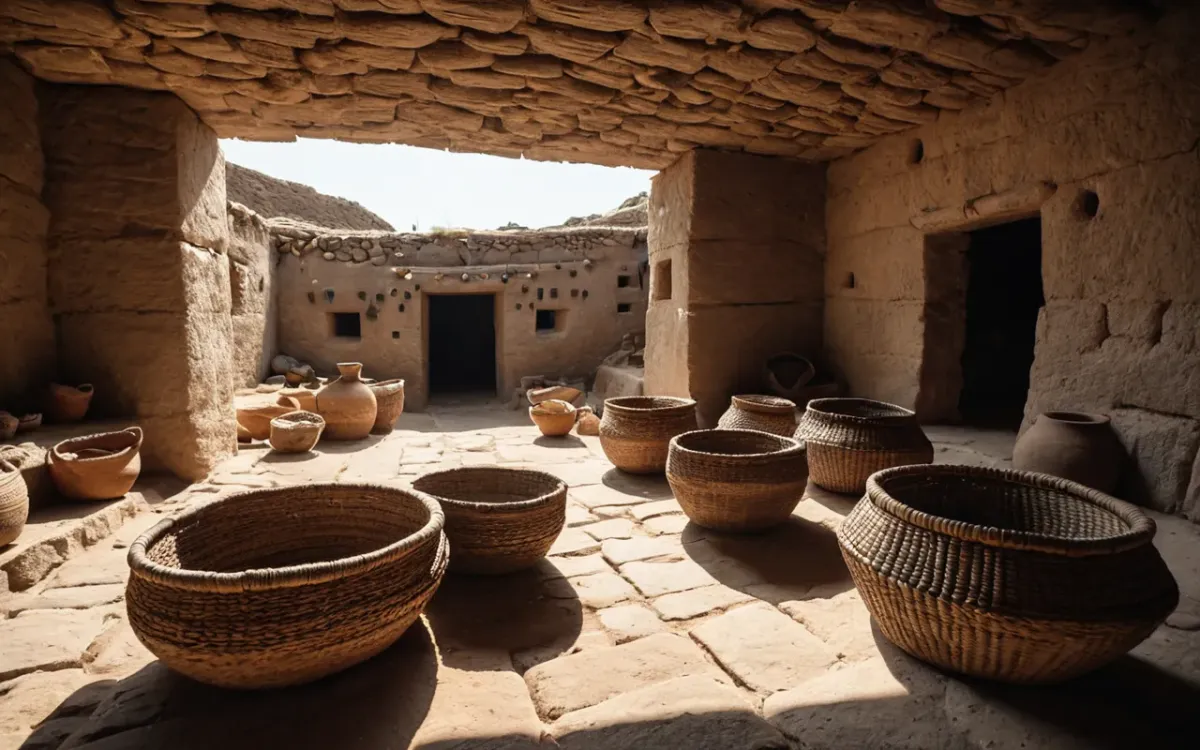
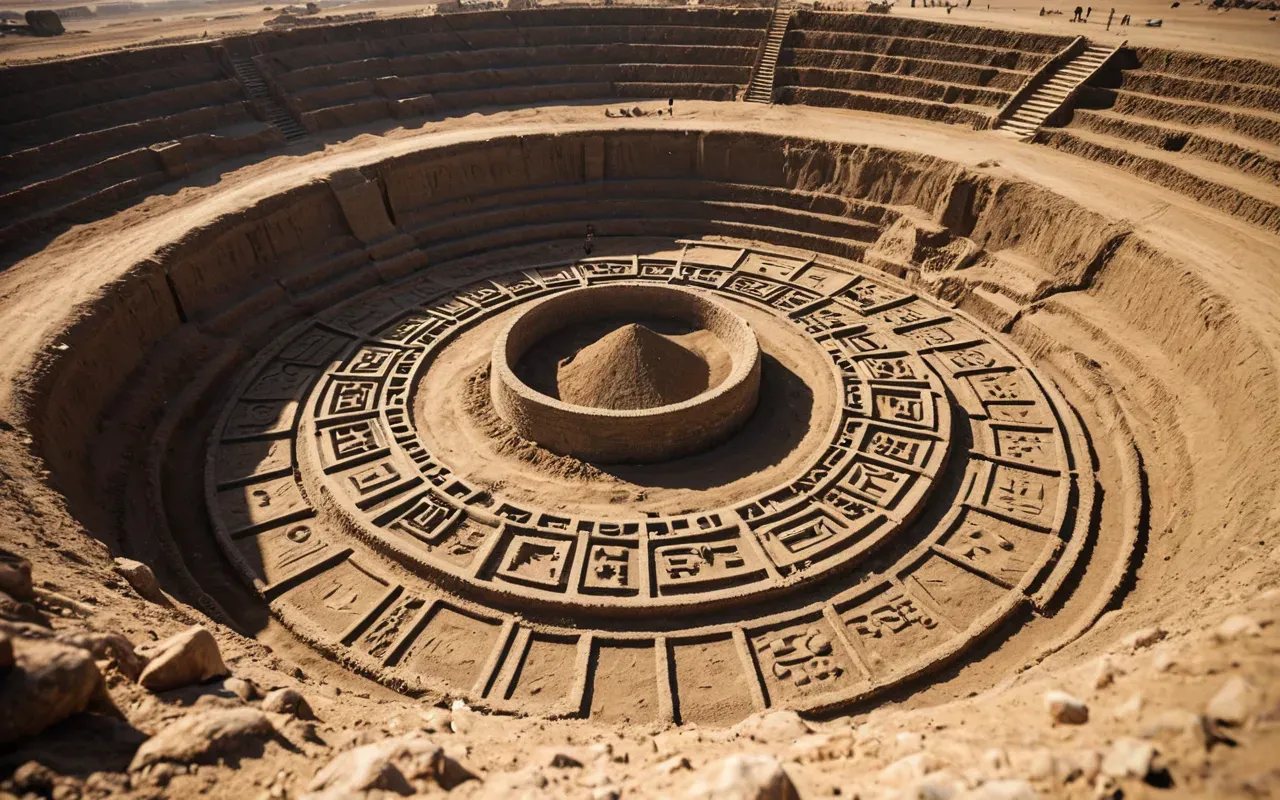
Imagine a hole in the ground. It is thirty meters wide and holds more than one hundred thousand shells. This discovery changes how we see ancient times.
Archaeologists found this massive pit in Pieria. It dates back to between five thousand four hundred fifty and five thousand two hundred fifty BC. The contents are surprisingly well-preserved.
You might think it is a dump site. But look closer at the details inside that hole. The bones still have their joints intact.
The items were discarded over just a few months. This suggests a short but intense event occurred there long ago.
Was It A Landfill Or Something Else Entirely?
Dr. Rena Veropoulidou leads the research team. She points out that typical landfills contain lots of soil mixed in with waste.
This pit lacks that soil contamination. The shells look as if someone threw them there yesterday rather than millennia ago.
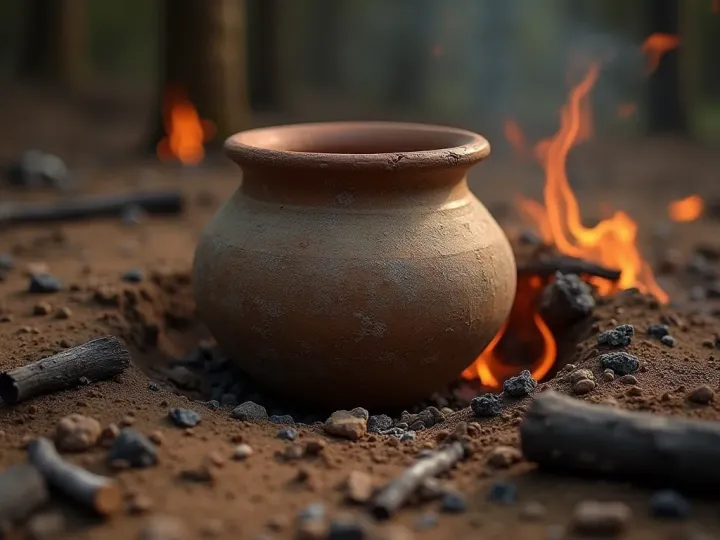
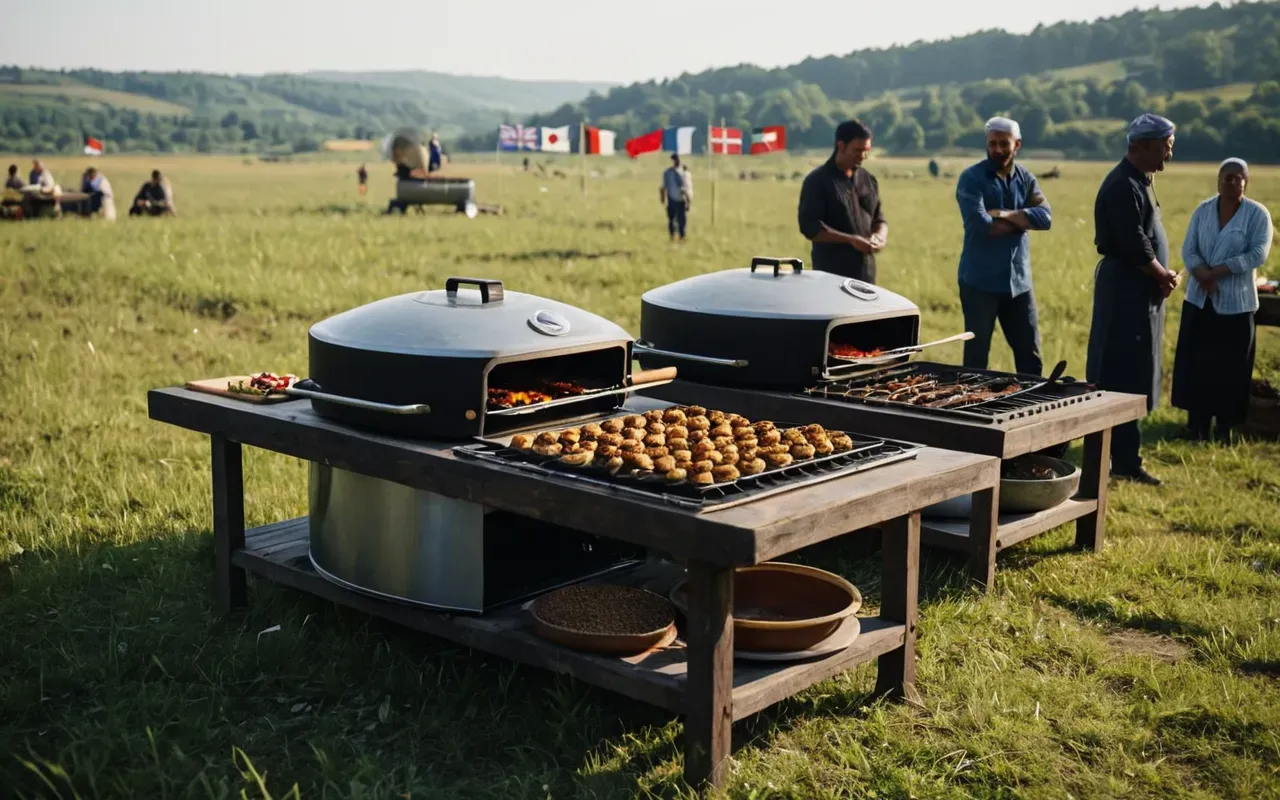
There are clay ovens inside too. We also see serving utensils decorated with human and animal figures.
Evidence of a Massive Ancient Gathering
Think about the logistics required to fill such a space. Dozens or even hundreds of people must have gathered there.
They cooked large portions of meat. The cuts on the animal bones show they used stone axes and knives for preparation.
These were not small household meals. The size of the portions indicates a communal eating event.
The occasion might have been a harvest celebration. Or perhaps it marked an important wedding ceremony.
Trade Networks And Valuable Artifacts
The people at Makrygialos were not isolated. They traded jewelry made from specific types of shells with communities across Europe.
This shows a sophisticated network existed back then. These early societies had complex social connections that spanned vast distances.
What Did They Actually Eat Seven Thousand Years Ago?
Food rarely survives in soil. We mostly find bones and shells because they are hard materials that resist decay.
Plants like vegetables disappear quickly. However burned seeds provide valuable data about their agricultural practices.
Crops And Legumes Formed The Dietary Foundation
They grew einkorn wheat and barley. These crops withstand dry climates well even though they yield smaller harvests compared to modern varieties.
Legumes were also crucial. They cultivated lentils and bitter vetch alongside their main grain crops for protein.
Wild fruits added variety to the menu. Apples and pears appear in the archaeological record from this period.
Marine Resources Provided Essential Nutrition
Sea urchins were particularly popular. The lagoons in Pieria offered abundant supplies of these spiny creatures.
Barnacles were another favorite. People collected them by hand or used simple rakes to gather large quantities.

Fish consumption was minimal though. Chemical analysis of human bones reveals cereals dominated their actual daily intake.
Sustainable Practices That Endured For Millennia
Modern environmentalists should take note. These early farmers understood resource management intuitively.
They combined agriculture with livestock farming strategically. Animal manure fertilized their fields naturally without chemical inputs.
They allowed some land to lie fallow periodically. This practice maintained soil health over extended periods of continuous use.
Protecting Marine Populations Through Seasonal Harvests
They likely harvested only large-sized shells. Collecting from different areas each time protected the barnacle populations.
This ensured an annual yield. Their methods supported continuous habitation for nearly eight thousand years in the region.
Why This Discovery Matters Today For Cultural Understanding
We often view ancient people as primitive. This pit proves they had complex social structures and sophisticated food systems.
The traditions continue today. Mussel cultivation remains important in the Thermaic Gulf area just like it was thousands of years ago.
Festivals celebrate this heritage. The annual Mydochara festival in Makrygialos honors the enduring connection to shellfish.
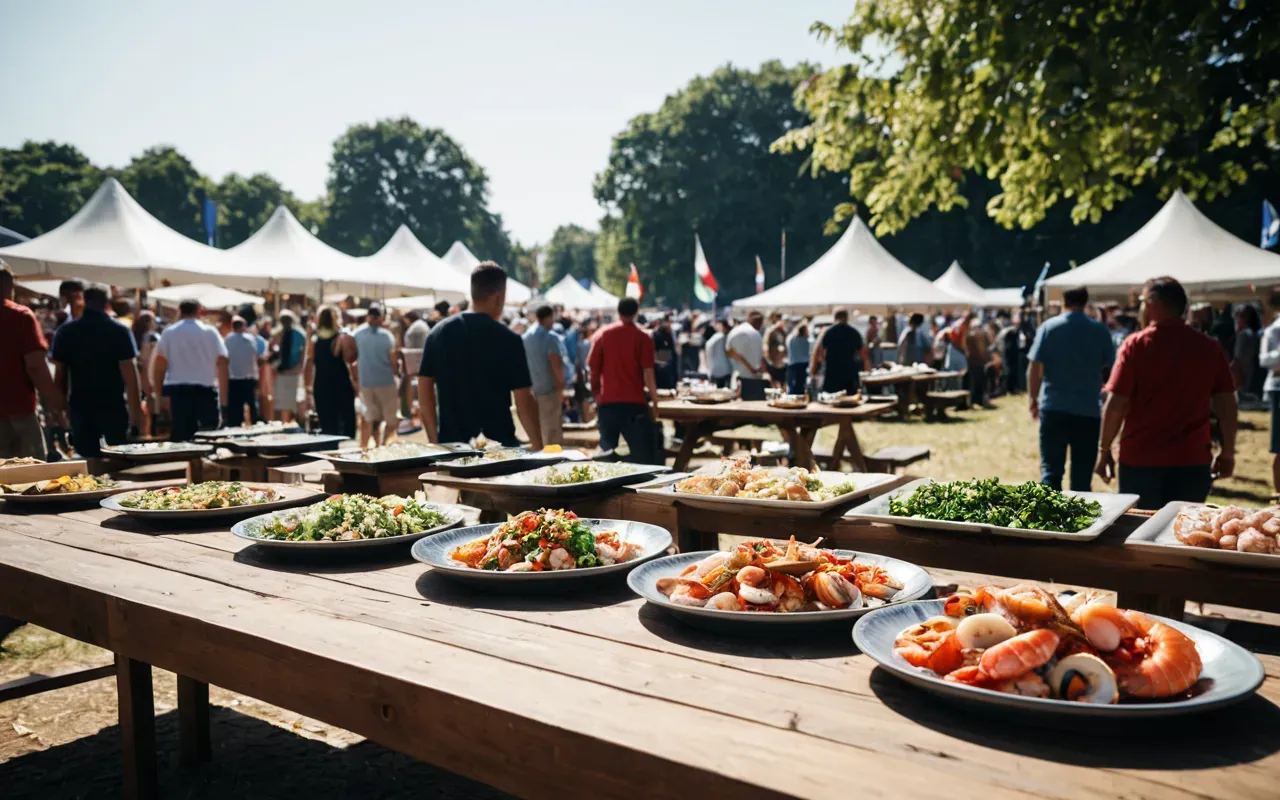
The diet has changed very little compared to six thousand years ago. This continuity highlights the success of their original strategies.
Lessons From The Past For Modern Sustainability Efforts
Their respect for nature allowed them to thrive. We can learn from their balance between consumption and preservation.
Understanding this history helps us appreciate our roots. It also offers practical insights for contemporary ecological challenges.
This discovery reshapes our view of early human ingenuity. It shows that sustainability is not a new concept but an ancient wisdom.
The Taş Tepeler project offers similar insights into how early societies developed. Their resources help connect past innovations with modern cultural identity through educational materials that explore these deep historical connections.
Exploring Neolithic land use patterns reveals surprising truths about environmental management. You can read more about how early practices challenged assumptions in recent studies on ancient ecological strategies.
The findings at Makrygialos remind us that food tells a story. It connects us to people who lived thousands of years ago while shaping our present.