The painted boar sculpture that proves history started earlier than you thought
The Boar That Broke the Timeline
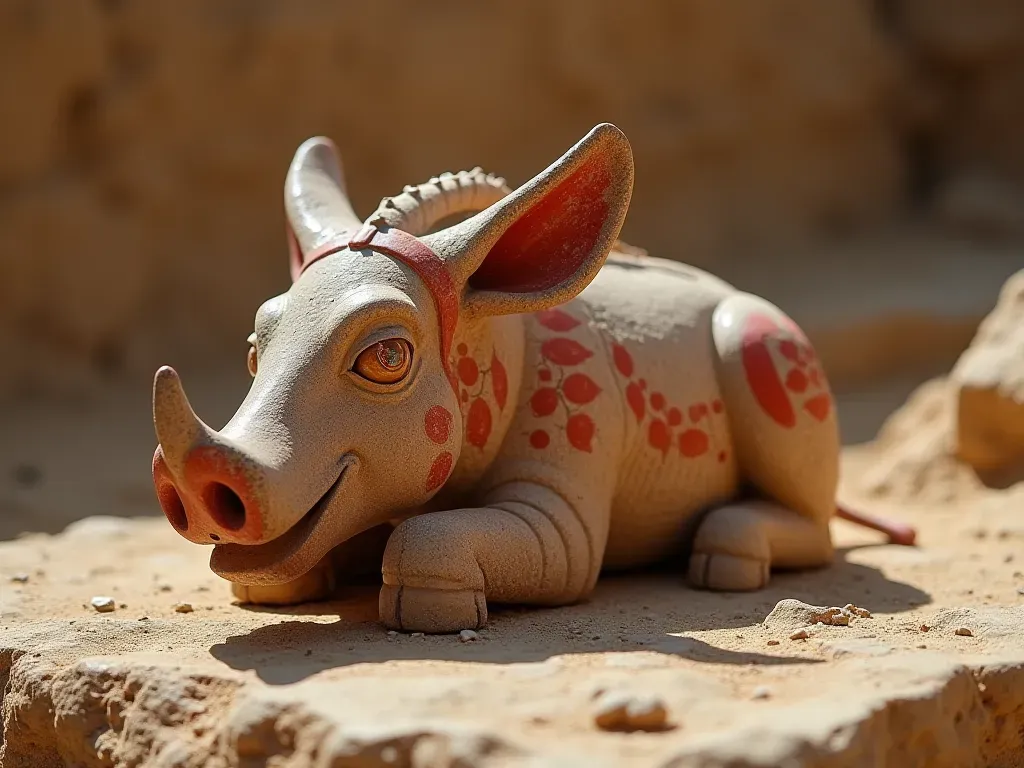
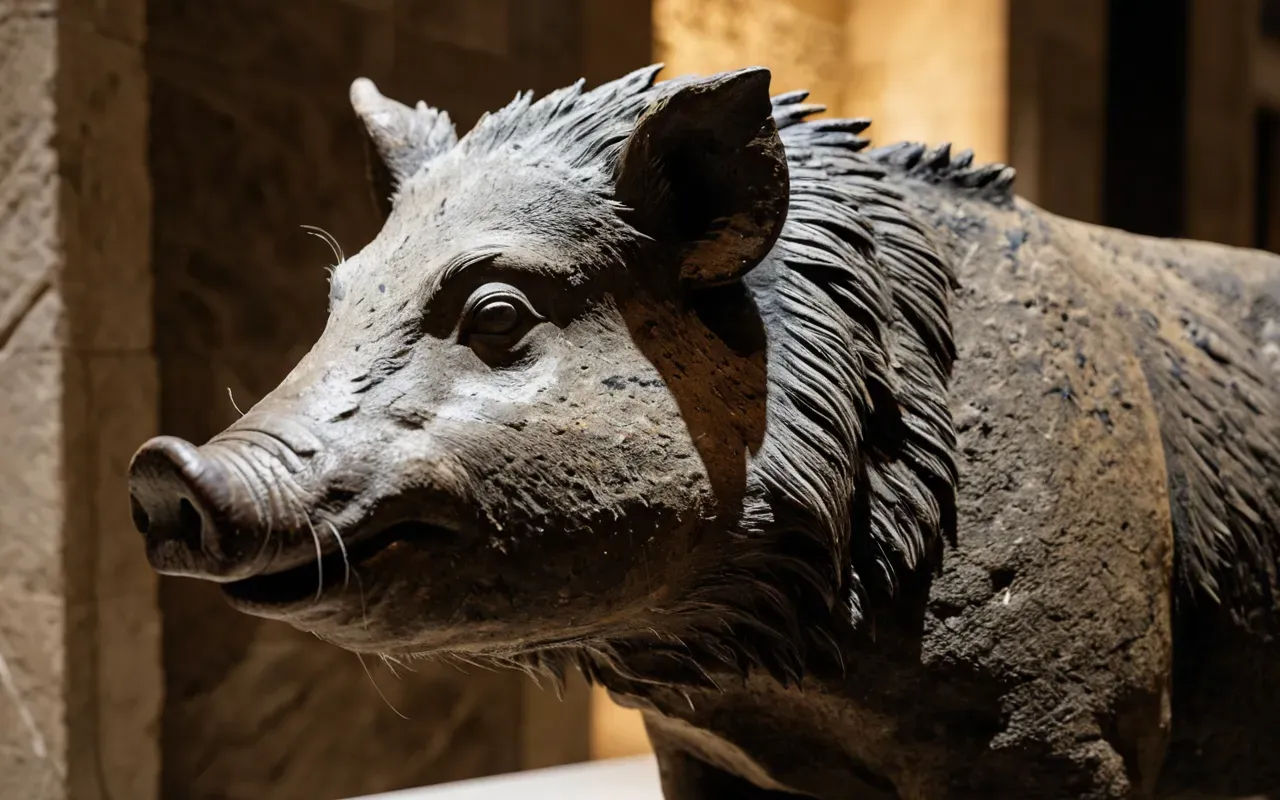
Look at that boar. Not just a stone shape in a glass case — it's the oldest known painted sculpture of its kind still standing today. That alone should make you sit up.
For decades, we assumed early human art was crude. Cave paintings, rough chipped stones, that was the picture. But this limestone figure from the D structure at Göbeklitepe still has paint residues on its surface. It's deliberate. It's refined.
I was struck by what that implies. If they could paint with this kind of precision, their cognitive tools were far more advanced than we've given them credit for. We've been underestimating these people for a very long time.
Why This Changes Everything About Ancient Art
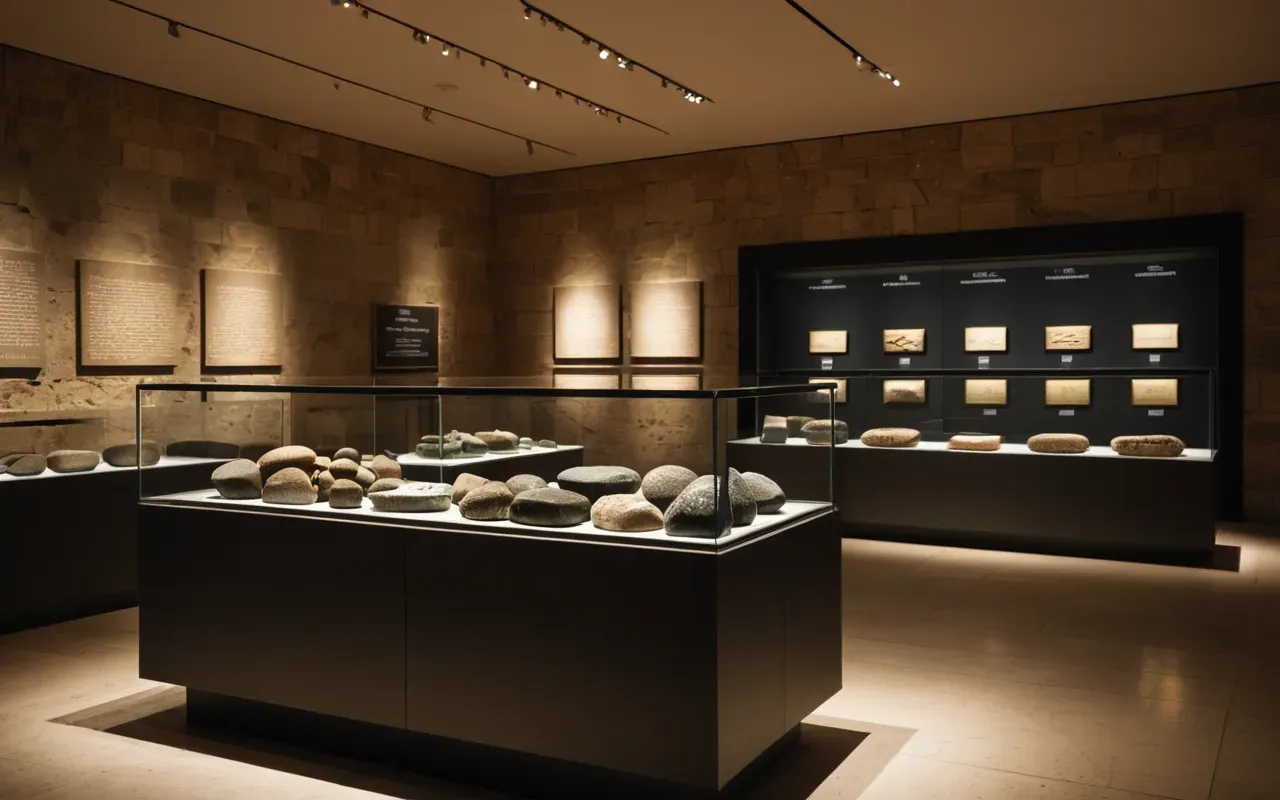
The Şanlıurfa Archaeology Museum is opening its doors to eighty-one new artifacts. Not a minor update. This is the first time objects excavated under the Stone Hills project go on public display.
Among them: human figurines, bead ornaments. But the boar is the star. Celal Uludağ, the museum director, calls it a world first in surviving painted stone art from this period.
Here's the thing most people miss. The vulture sculpture next to it matters just as much. It points to a complex symbolic language. These weren't random shapes. They told stories.
The Hidden Complexity of the Stone Hills Project
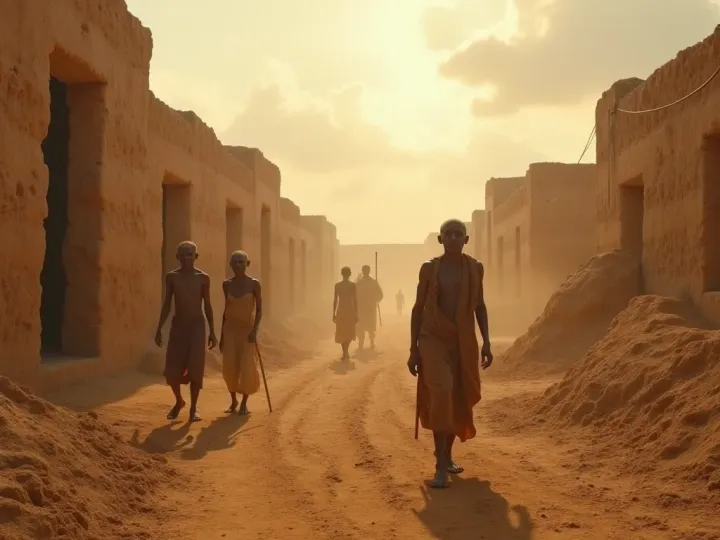
We tend to think of Neolithic life as simple. Farming, settling down, done. But the Taş Tepeler project reveals a society with deep artistic and spiritual ambitions.
Ever wondered how early humans communicated complex ideas without written language? Look at these artifacts. They're a visual vocabulary. A way of thinking that has survived ten thousand years.
I find it fascinating how these objects challenge our modern biases. We assume progress runs in a straight line from primitive to sophisticated. These sculptures suggest the line was always there.
What the Paint Residues Actually Tell Us
The paint isn't decorative in a modern sense. It likely carried ritual significance. And color on stone from this era means access to specific mineral resources.
Which points to trade, or local extraction of colored earths. It implies a level of organization we rarely associate with pre-agricultural societies. They were planning. They were choosing.
To be fair, we're still piecing this together. But the evidence is hard to ignore. These people had a sophisticated understanding of their environment and of each other.
Why You Should Care About This Specific Discovery
This isn't just about one museum in Şanlıurfa. It reshapes how we view the entire Neolithic transition. Art and identity, it turns out, sat at the center of early human life.
When we look at modern culture wars over identity and expression, remember this. The urge to create and symbolize is ancient. It's written in stone.
I believe this discovery will change how museums present early history worldwide. It forces a reevaluation of what we call 'primitive' versus 'advanced.'
The Ripple Effect on Global Archaeology
Other sites are being re-examined. If painted sculptures existed here, they likely existed elsewhere too. This is a catalyst for new digs and new interpretations.
We're on the verge of a major update in human history textbooks. The boar isn't just an artifact. It's a key that unlocks a whole new room in our understanding.
So the next time you see a stone tool or a cave painting, think differently. The story is richer, deeper, and more complex than we ever imagined.
The Real Reason We Misunderstood Neolithic Art
We projected modern values onto the past. We thought they lacked sophistication because we didn't see it right away. But here's the truth: it was there all along.
The boar sculpture is a mirror. It shows us creativity isn't a recent invention. It's the core of being human.
And that changes how we see ourselves. We aren't the first to make art. We're just the latest chapter in a very long story.