The polished stone that proves Neolithic tech was way better than you think
The artifact that broke my brain
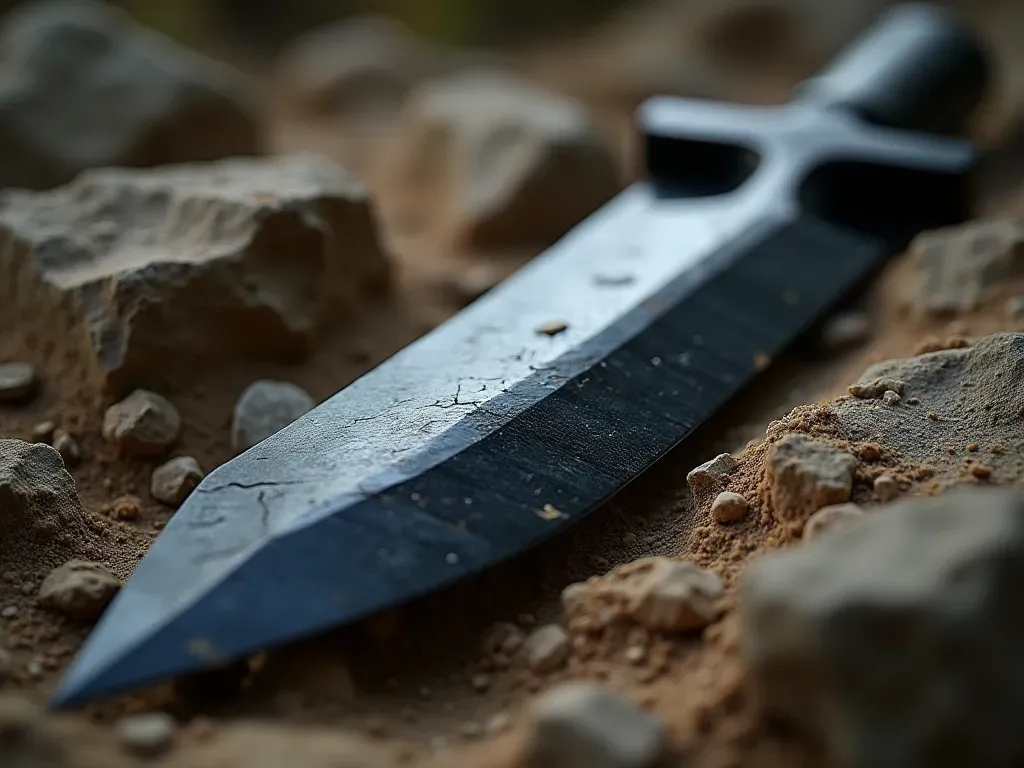
I spent two hours in a climate-controlled room staring at a single object. It was only about four inches wide, made of stone, and perfectly smooth.

My first thought was simple. I wondered if it had been tumbled in water over thousands of years. But the surface didn't show any wear patterns typical of river stones.
It showed tool marks instead. Microscopic abrasions that indicated a human hand had shaped it with deliberate, repetitive pressure using abrasive materials.
Why we get Neolithic tech wrong
We have a bad habit of labeling the past as primitive. It feels safer to think our ancestors were struggling to survive while we handle smartphones.
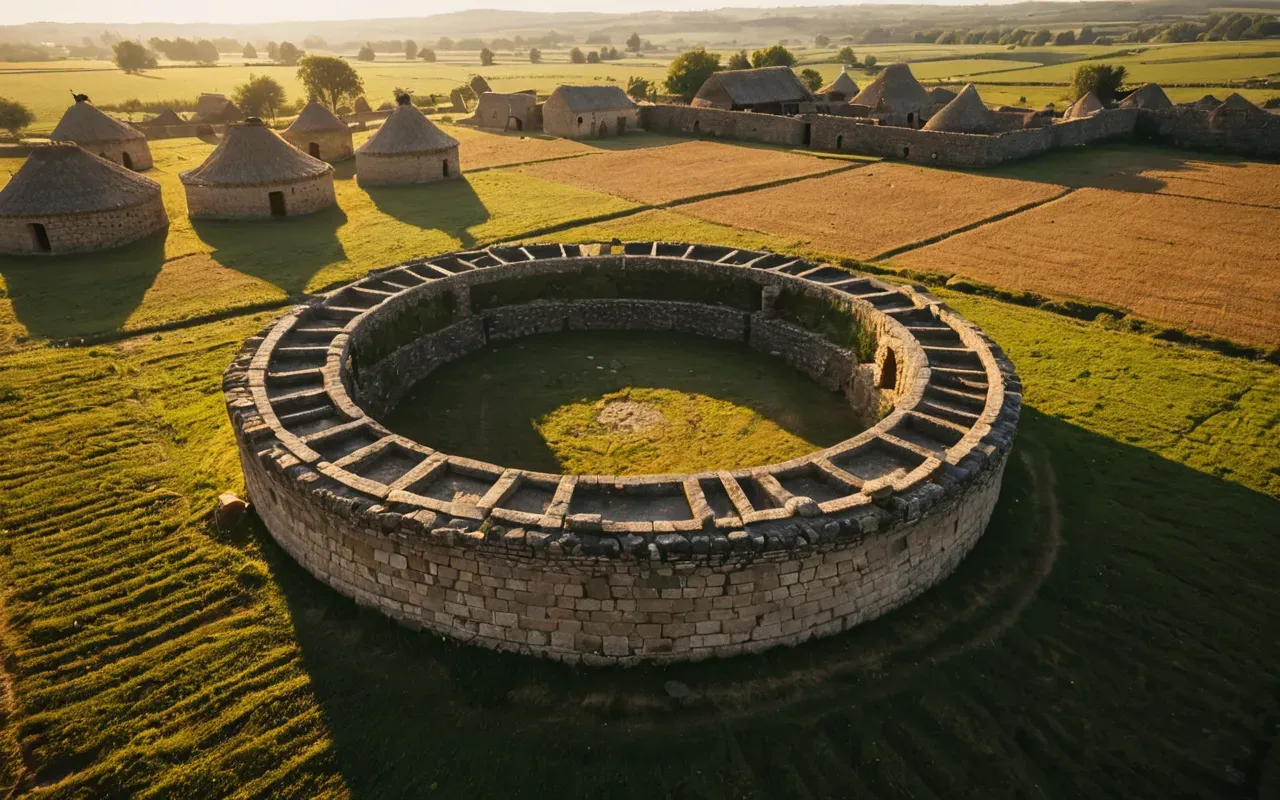
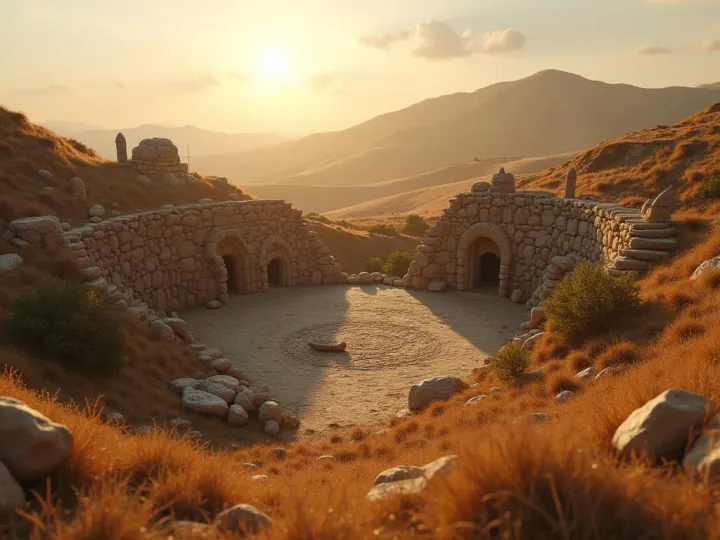
This is a myth. The Neolithic era was not just about farming wheat and building mud huts. It was a period of intense technological experimentation.
The hidden precision of ancient tools
Take the grinding stones found in recent excavations. They were not rough chunks used to crush grain in a desperate bid for food.
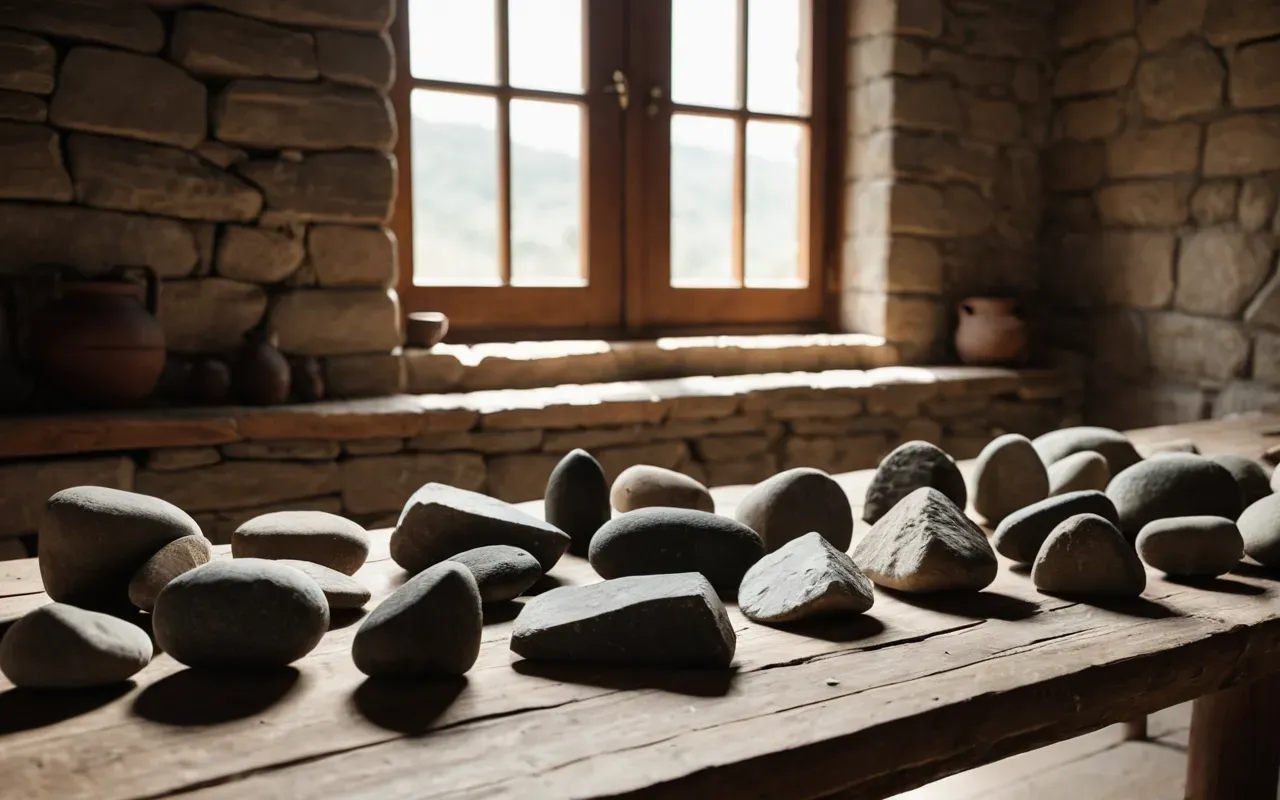
They were engineered surfaces. Archaeologists have found that these stones were polished to within fractions of a millimeter.
The grinding method behind the polish
They used a mixture of water and fine silica sand to burnish the surface. It is exactly like how we make glass today.
Think about that. Ten thousand years ago, people were mastering material science basics that we still teach in engineering schools.
Agriculture was actually a tech platform
We often talk about the Neolithic revolution as if it were just a change in diet. It wasn't.