The secret hidden in 250 stone pillars that makes Göbeklitepe look like a child's toy
The Stone That Broke Every Rule We Knew About History
For decades, we believed a simple timeline. Humans hunted and gathered first. Then they learned to farm. Once food was secure, cities rose up. Religion followed last.
Then Göbeklitepe showed up and shattered that narrative. But a new site has just made it look like the warm-up act.
We are talking about Karahantepe. It is part of a massive region called Taş Tepeler, or the Stone Hills. This area holds secrets that might make our history books look like fiction.
Here is the thing. We have been wrong about when complex society started. The evidence from these hills says it began much earlier than we thought.
Why Göbeklitepe Was Just the Beginning of a Much Bigger Story
Göbeklitepe is famous for its T-shaped pillars. They date back nearly , years. People thought these were the first monumental structures ever built.
But archaeologists soon realized this site was not alone. It is part of a network of settlements spread across kilometers.
This region is now known as Taş Tepeler. It includes twelve main sites that were active at the same time.
Think about that scale. Thousands of people living in organized communities before they even invented agriculture properly.
It changes how we view the Neolithic era. It was not a slow transition to farming. It was a complex social experiment happening in real time.
Karahantepe and The Discovery That Changes Everything About Human Origins
Among all these sites, Karahantepe stands out. It is a -kilometer drive from the city center of Şanlıurfa.
Excavations here started in earnest only recently. But the findings are already stunning and quite controversial.
They have found more than T-shaped megaliths. These are not just random stones. They are carefully placed and decorated.
Unlike Göbeklitepe, Karahantepe has three-dimensional human sculptures. This is a huge difference and it tells us something important.
It suggests these people were not just building temples. They were creating identities. They were telling stories about themselves.
The Real Reason This Ancient Site Matters More Than You Think Today
Why should you care about stones from twelve thousand years ago? It is not just history. It is a mirror.
These early communities faced the same problems we do now. How to organize labor? How to share resources? How to build trust?
The Taş Tepeler project is not just digging up dirt. It is studying the roots of human society.
Understanding how they solved these problems helps us understand ourselves. It shows that our need for connection is ancient.
How You Can Connect With This Ancient World Through Modern Tools and Games
You do not need a PhD to appreciate this. The Taş Tepeler initiative has made the past accessible.
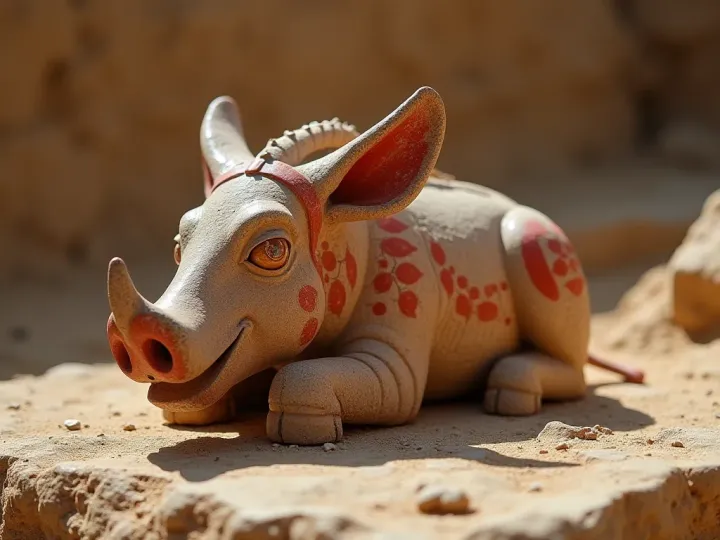
There are now toys and games inspired by Neolithic themes. Children can learn about these ancient builders in a fun way.
Even novels and art projects are drawing from this era. It has become a rich source of inspiration for creative minds.
If you are into history or culture, this is a goldmine. It connects the dots between past and present in a tangible way.
The Untold Truth About Who Built These Wonders And Why It Still Amazes Us Today
We often assume ancient people were simple. But Karahantepe proves they were sophisticated.
They had specialized laborers. They had artistic vision. They had social structures that we are still trying to perfect.
This site challenges our bias. It shows that complexity does not require modern technology.
It was about ingenuity. About working together. About leaving a mark on the world that would last for millennia.
What The Future Holds For These Excavations And What We Might Find Next
The work is far from over. Only seven of the twelve sites are fully excavated.
More experts from around the world are joining the effort. This international collaboration is key.
We might find more sculptures. We might uncover evidence of trade networks we never imagined.
Each new find rewrites the book. It is an exciting time for archaeology and for anyone who cares about our shared past.
So next time you look at a stone, think deeper. It might be holding secrets from the very beginning of us all.