Unearthing Humanity's Roots Through the Neolithic Era and the Taş Tepeler Project
Understanding the Foundations of Human Society in the Neolithic Era
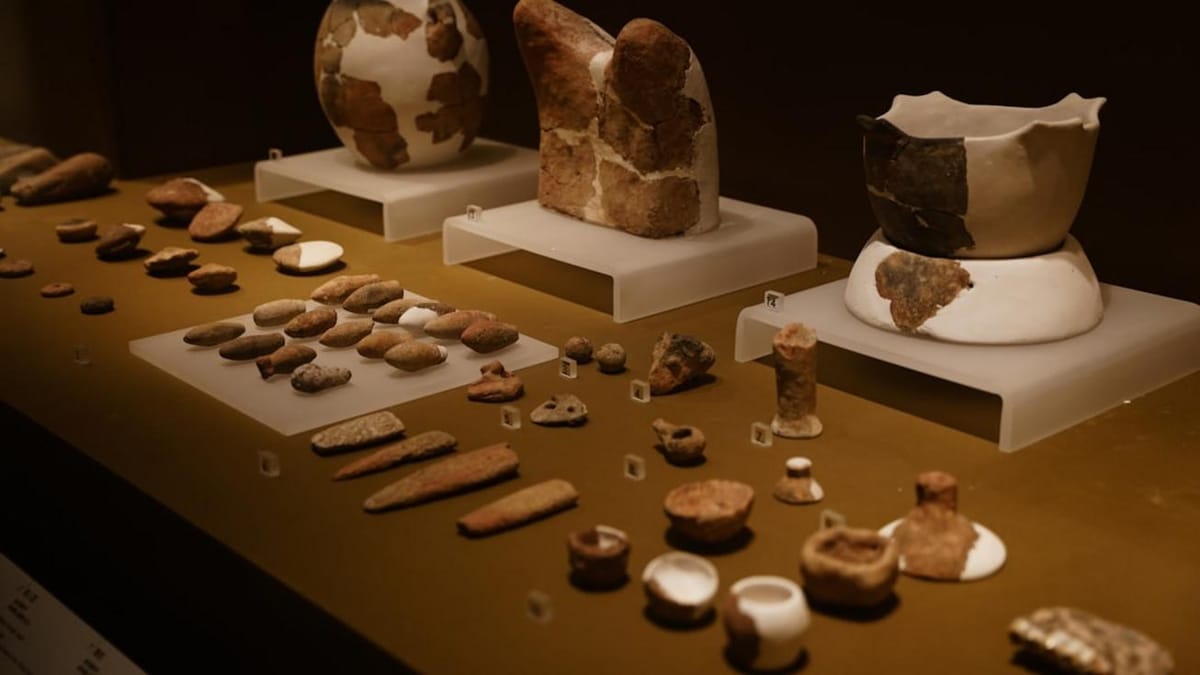
The Neolithic era, often called the New Stone Age, marked a fundamental turning point in human history. This period, roughly spanning from 9000 to 3000 BCE, witnessed the advent of agriculture and the development of permanent settlements. It was during this transformative era that humans transitioned from nomadic hunter-gatherer societies to organized, agrarian communities that laid the foundation for modern civilization. Technologies such as polished stone tools, early pottery, and domesticated animals were introduced, reflecting significant advancements in human ingenuity and societal organization. These innovations didn't just change daily life—they redefined the relationship between humans and their environment, fostering social cohesion and laying groundwork for future societal complexity. Understanding this period is crucial because it reveals how early humans overcame environmental challenges and developed the skills necessary for settled life, which eventually led to the rise of cities and complex states. The Taş Tepeler project offers an immersive view into this pivotal time, highlighting archaeological findings that shed light on the daily lives, belief systems, and technological innovations of Neolithic communities in Turkey.
The Taş Tepeler Project and Its Significance in Archaeology and Cultural Preservation
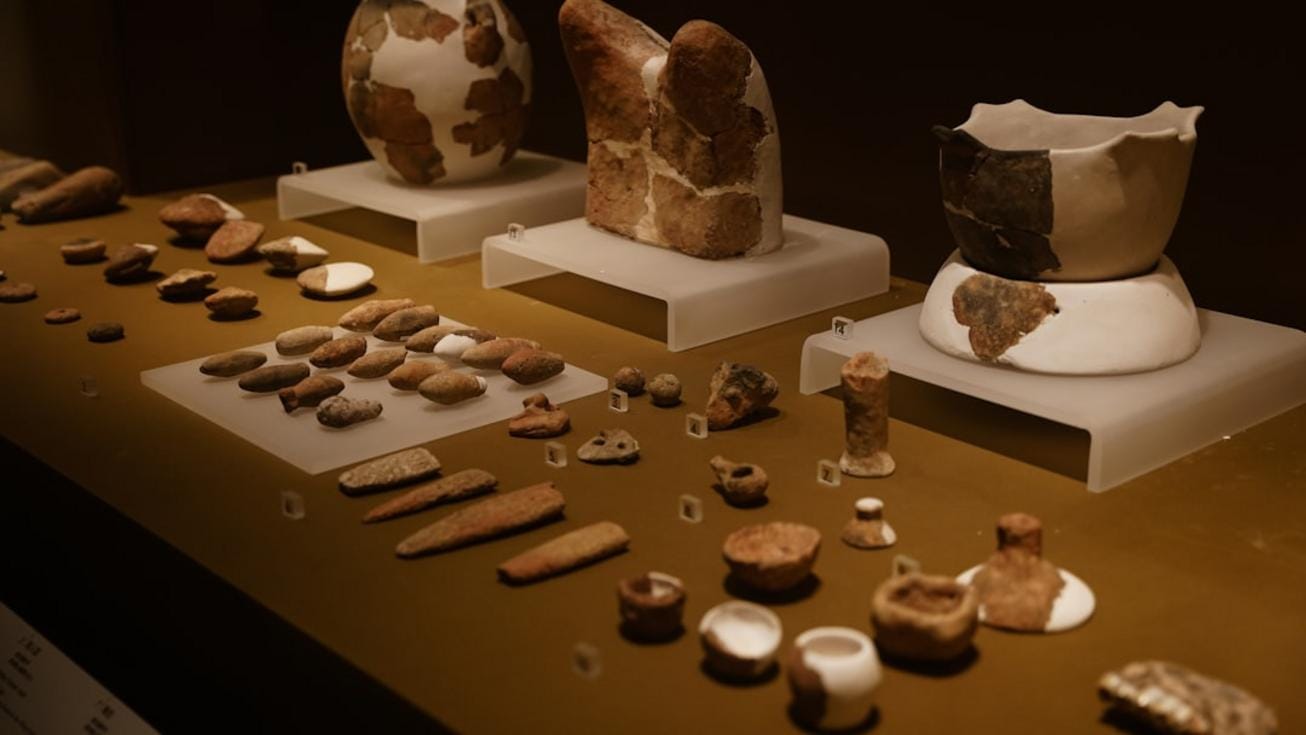
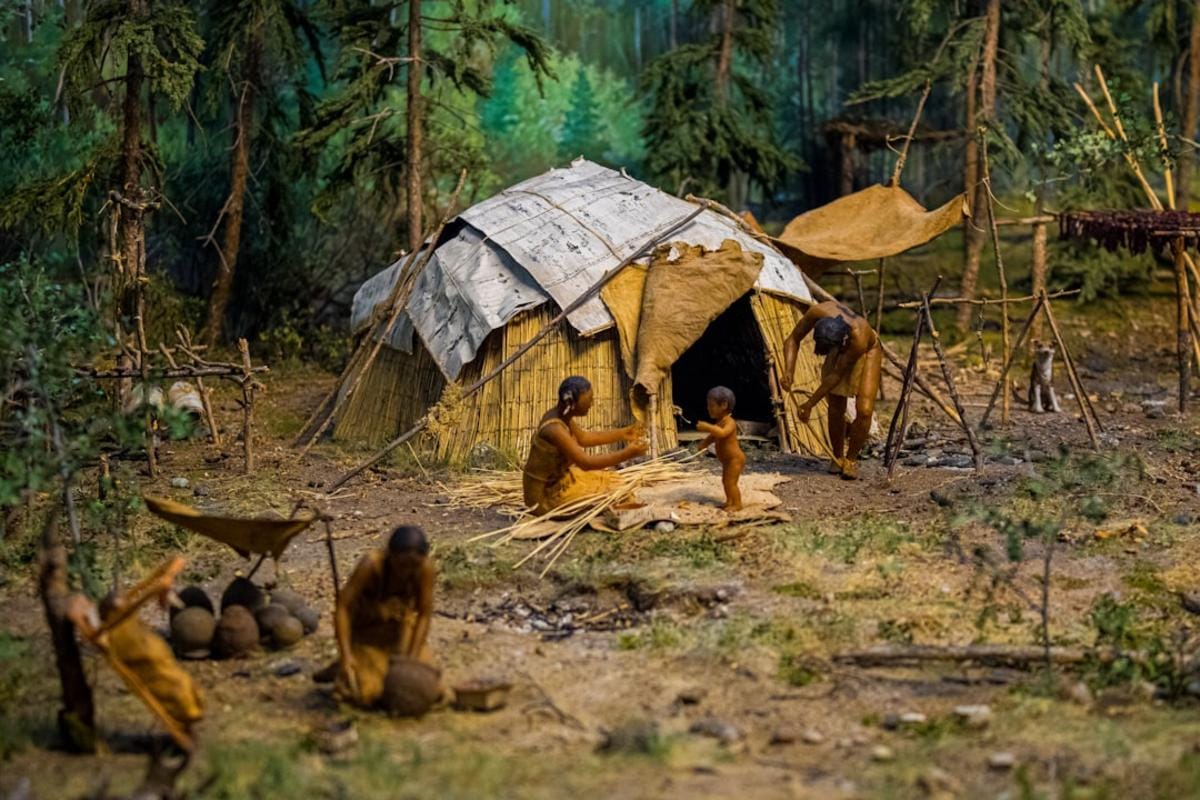
The Taş Tepeler project stands as a remarkable initiative dedicated to uncovering and showcasing the rich Neolithic heritage of Turkey. Situated in a region known for its archaeological significance, this project combines modern excavation techniques with comprehensive cultural documentation to reveal the intricate ways of life of ancient communities. What makes Taş Tepeler truly stand out is its holistic approach—not only does it focus on excavating artifacts and structures, but it also emphasizes education and public engagement. Visitors and scholars alike can explore educational resources, interactive displays, and detailed reconstructions of Neolithic life, fostering a deeper appreciation of humanity’s earliest innovations. The project features a wide array of findings, including tools, pottery, and even early forms of monumental architecture that underscore human ingenuity. As a cultural bridge connecting Turkey’s ancient past to its living heritage, the Taş Tepeler project ensures these invaluable stories are preserved and shared for future generations, inspiring both academic inquiry and popular interest in prehistoric history.
From Artifacts to Education: Making the Neolithic Accessible for All
One of the most engaging aspects of the Taş Tepeler project is its innovative approach to education and cultural dissemination. By transforming ancient tools, pottery, and artifacts into interactive exhibits, the project makes Neolithic history accessible and exciting to a broad audience. There are educational toys, games, and even novels inspired by Neolithic themes, which are designed to captivate young minds and foster a passion for archaeology and history from an early age. This approach bridges the gap between scholarly research and popular culture, inviting enthusiasts to explore the roots of human innovation in a fun and meaningful way. Moreover, the project offers a range of gift options—such as replicas of ancient jewelry or miniature tools—that appeal to collectors and cultural enthusiasts alike. These initiatives not only promote a deeper understanding of early societies but also celebrate Turkey’s rich archaeological heritage, helping preserve these narratives for generations to come. For anyone interested in learning about our shared human past, the Taş Tepeler project is a treasure trove of information, creativity, and cultural pride.