Unearthing Humanity's Roots Through the Taş Tepeler Neolithic Cultural Project
The Significance of Neolithic Culture in Shaping Human History
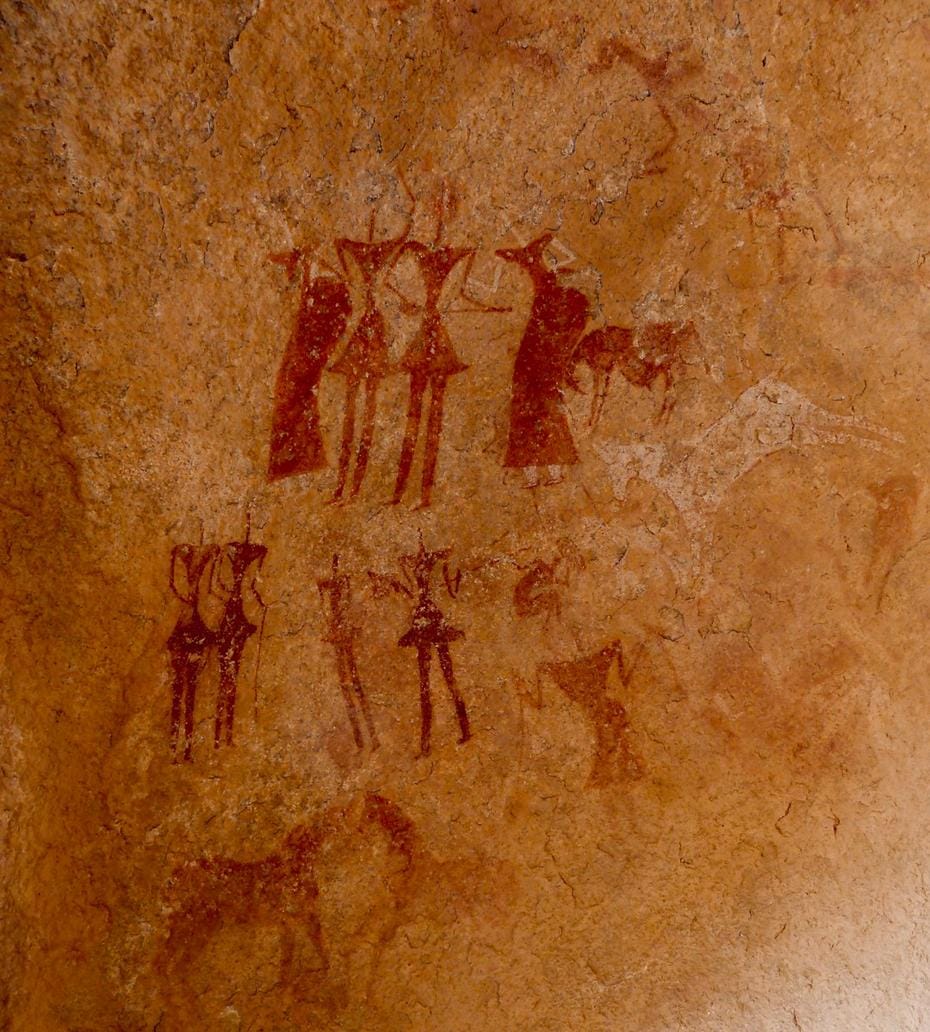
The Neolithic era, often referred to as the New Stone Age, marks a pivotal chapter in human history characterized by groundbreaking innovations that transformed societies from nomadic hunter-gatherers to settled agricultural communities. This period, roughly spanning from 10,000 to 3000 BCE, witnessed the development of agriculture, domestication of animals, and the establishment of permanent settlements. These innovations not only increased food security but also fostered population growth, social stratification, and technological advances. The transition to stable living conditions laid the groundwork for complex societal structures, new crafts, and cultural practices that influence our modern world. Understanding Neolithic culture is essential because it represents the dawn of organized human civilization, reflecting ingenuity and adaptability in the face of environmental and societal changes. Projects like Taş Tepeler provide invaluable insights into this transformative era, helping us better understand how early humans cultivated their environment, created tools, and laid the foundations for future civilizations.
The Taş Tepeler Project and Its Role in Archaeological Discovery
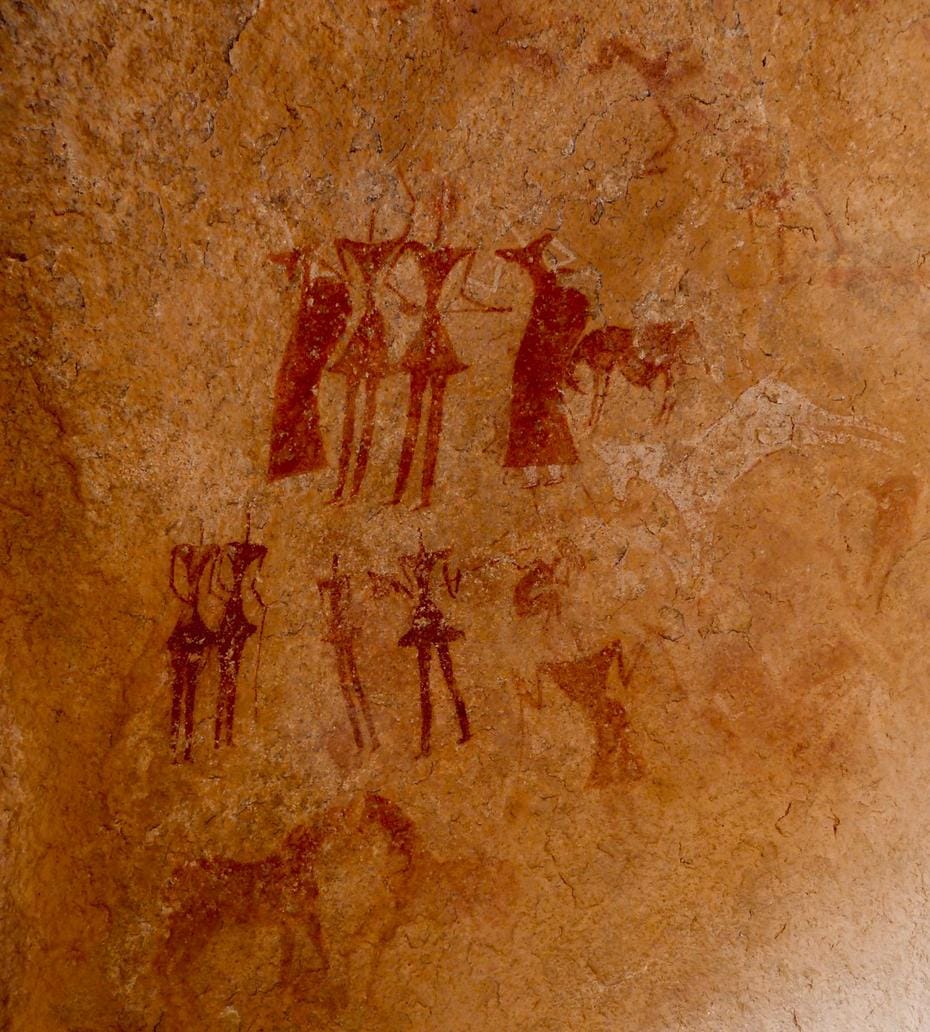
The Taş Tepeler project stands as a pioneering initiative dedicated to unveiling the secrets of Turkey’s Neolithic past. Located in the heart of Anatolia, this comprehensive archaeological endeavor combines excavation, research, and public engagement to paint a detailed picture of early human life in the region. Through systematic digs and advanced scientific techniques, archaeologists have uncovered a wealth of artifacts, including primitive tools, pottery fragments, and remnants of early dwellings. The project emphasizes the importance of these findings not only for their archaeological value but also for what they reveal about the social and cultural practices of Neolithic communities. The integration of educational programs and interactive exhibits makes Taş Tepeler a vital resource for scholars, students, and curious visitors alike. It offers a rare window into the daily lives of early Anatolian inhabitants, highlighting their innovations, social structures, and spiritual beliefs that continue to influence cultural narratives today.
The Legacy of Neolithic Innovations and Their Influence on Modern Culture
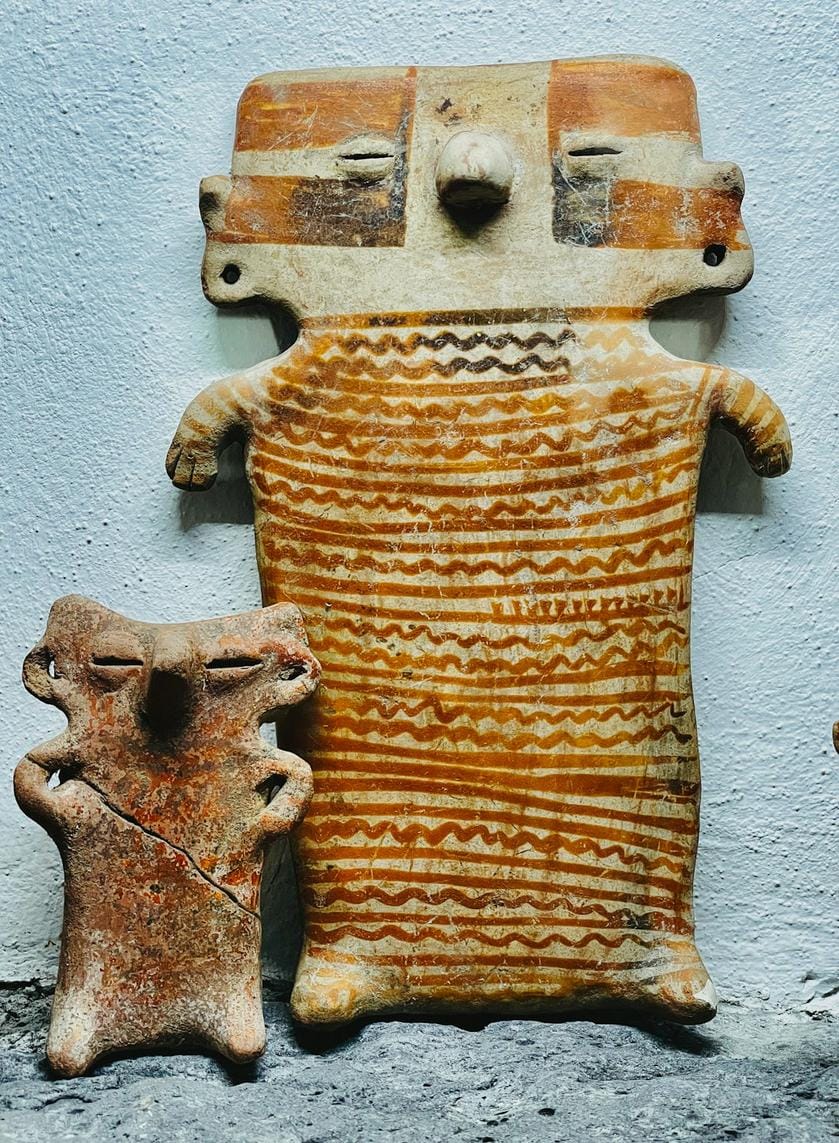
The technological and societal innovations of the Neolithic era have left a lasting imprint on human culture, some of which can still be observed today. The development of agriculture not only provided sustenance but also led to the creation of surplus food, encouraging trade and specialization of labor. The art of pottery, introduced during this period, established early forms of artistic expression and identification. Early tools crafted from stone laid the foundation for subsequent advancements in metallurgy and engineering. Moreover, the social structures formed around these innovations promoted cooperation, community living, and spiritual organization. Today, these ancient practices influence modern farming techniques, craftsmanship, and the value placed on community life. The Taş Tepeler project not only preserves these ancient artifacts but also fosters a deeper appreciation of how Neolithic innovations continue to shape our shared cultural heritage. Visitors can engage with educational resources like replicas of tools and ancient crafts, making the ancient world accessible and inspiring for all generations.