Unearthing Neolithic Culture Through the Taş Tepeler Project Illuminates Early Human Innovation

Understanding the Neolithic Era and Its Impact on Human History
The Neolithic era, often called the New Stone Age, marks a pivotal point in human history characterized by profound societal shifts driven by the advent of agriculture and settled communities. This period, roughly beginning around 10,000 years ago, witnessed humans transitioning from nomadic hunting and gathering to the development of farming practices and domestication of animals, which laid the foundation for complex societies. The Taş Tepeler project offers invaluable insights into this transformative era, revealing how early humans adapted to their environment and innovated with tools and techniques that would influence future civilizations. It is important to recognize that the innovations of the Neolithic were not merely functional advancements but also cultural milestones, shaping social structures, beliefs, and daily life. These developments can be observed through the discovery of ancient settlements, pottery, and tools that have survived millennia, offering us a window into ancient human ingenuity and resourcefulness that continues to fascinate scholars and enthusiasts. The archaeological findings from the Taş Tepeler site exemplify this rich cultural heritage and highlight the importance of understanding our ancestors’ resilience and creativity, which remain relevant in today’s quest for sustainable living and technological progress.

The Taş Tepeler Project and Its Role in Cultural Preservation
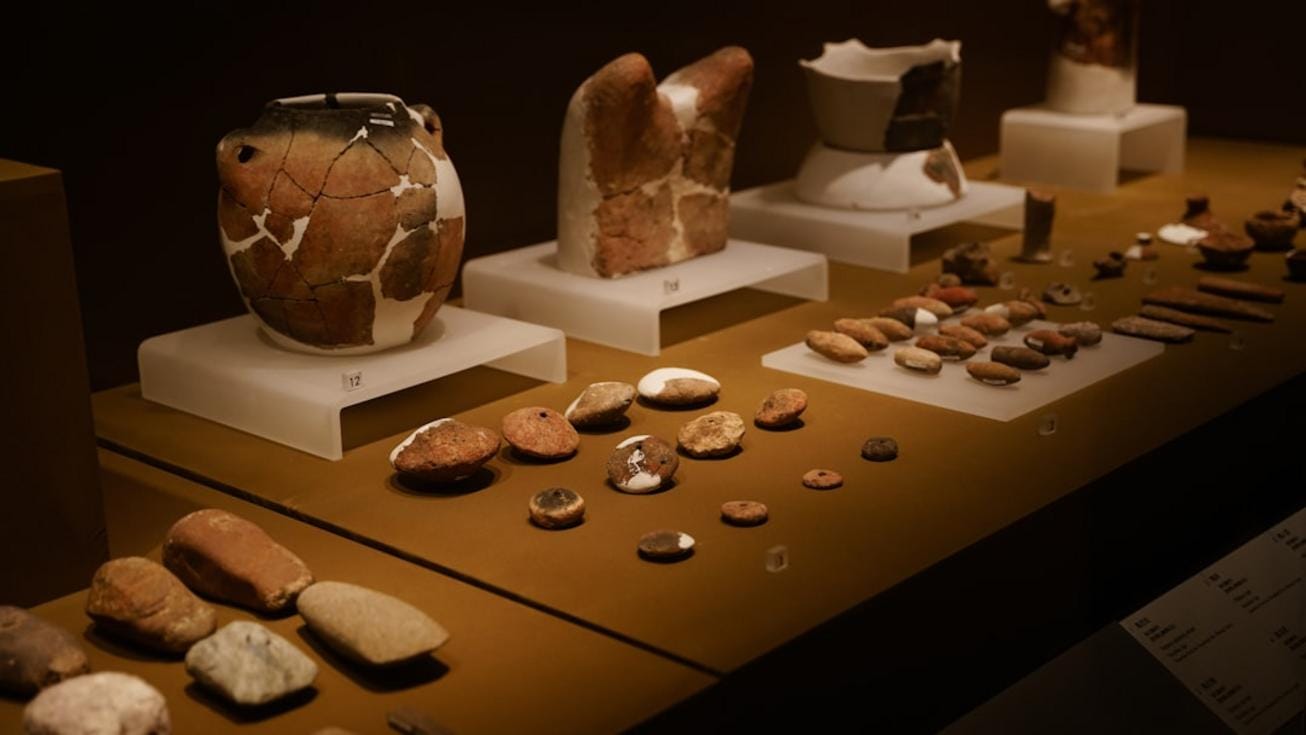
The Taş Tepeler project stands as a comprehensive initiative dedicated to unraveling and promoting the rich heritage of Turkey’s Neolithic period. By meticulously excavating and analyzing artifacts, the project offers groundbreaking insights into early human life, including tools, pottery, and dwelling foundations. This initiative is particularly significant because it bridges academic research with public engagement, providing educational resources and cultural displays that appeal to both scholars and the general public. Visitors to the project are greeted with a blend of historical information, interactive exhibits, and visual reconstructions that vividly depict life during the Neolithic era. With a focus on archaeological discoveries, the project also emphasizes the importance of preserving these ancient sites and artifacts for future generations, ensuring that the legacy of early human societies remains a vital part of Turkey's cultural identity. Moreover, the Taş Tepeler project actively promotes cultural tourism and educational programs, fostering appreciation for our collective history and encouraging a deeper understanding of humanity’s shared origins.
Innovative Ways that the Neolithic Era Is Being Made Accessible Today
One of the most engaging aspects of the Taş Tepeler project is its dedication to making Neolithic history accessible and exciting for a broad audience. Modern educational tools, such as specially designed toys and games, allow enthusiasts and children alike to explore ancient life in a fun and meaningful way. These innovative resources help demystify early human innovations by providing hands-on experiences that bring history to life. For instance, replica tools and modeling kits enable learners to understand how Neolithic societies produced and used implements for farming, hunting, and building. Additionally, the project showcases a selection of novels inspired by Neolithic themes, which narrate stories of early humans and their struggles, adding a narrative dimension to archaeological discoveries. To cater to collectors and cultural enthusiasts, the project also offers unique souvenirs and artifacts reproductions with authentic designs—these serve as tangible connections to our distant ancestors. The combination of educational toys, literature, and cultural memorabilia promotes a wider appreciation of the Neolithic period, ensuring that its legacy continues to inspire curiosity and respect for human ingenuity across generations.