Unveiling Humanity's Dawn Through the Taş Tepeler Neolithic Excavations
The Dawn of the Neolithic Era and Its Cultural Significance
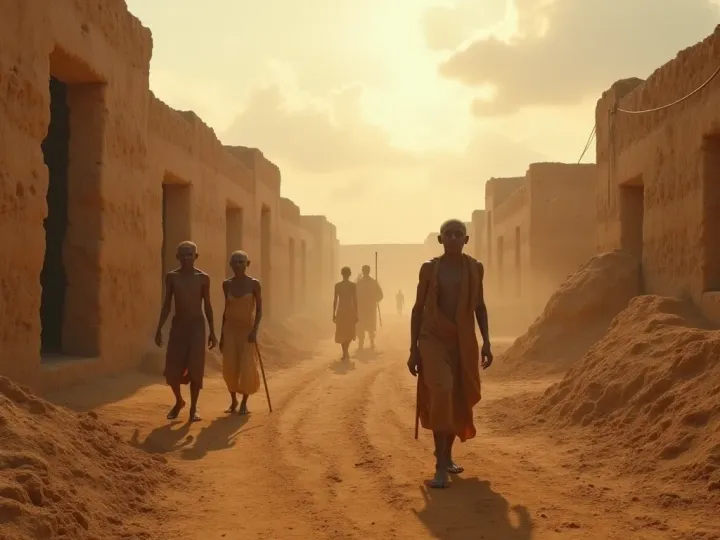
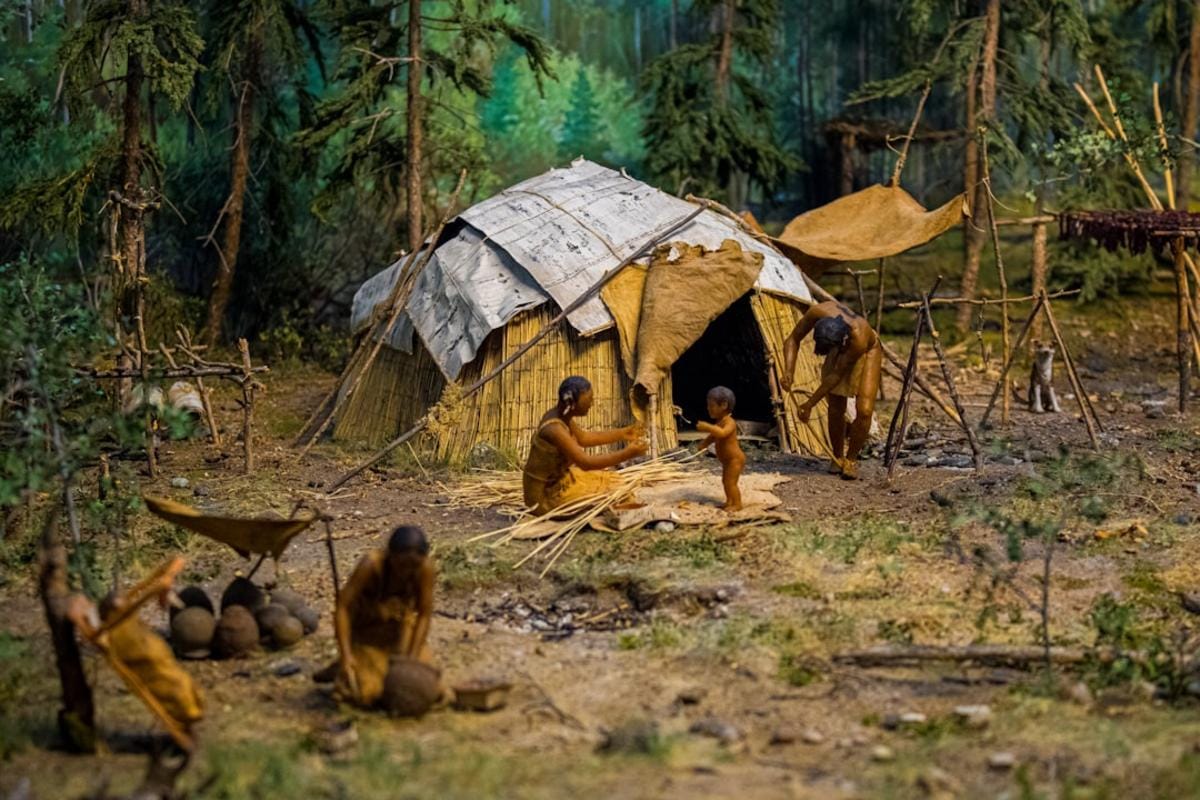
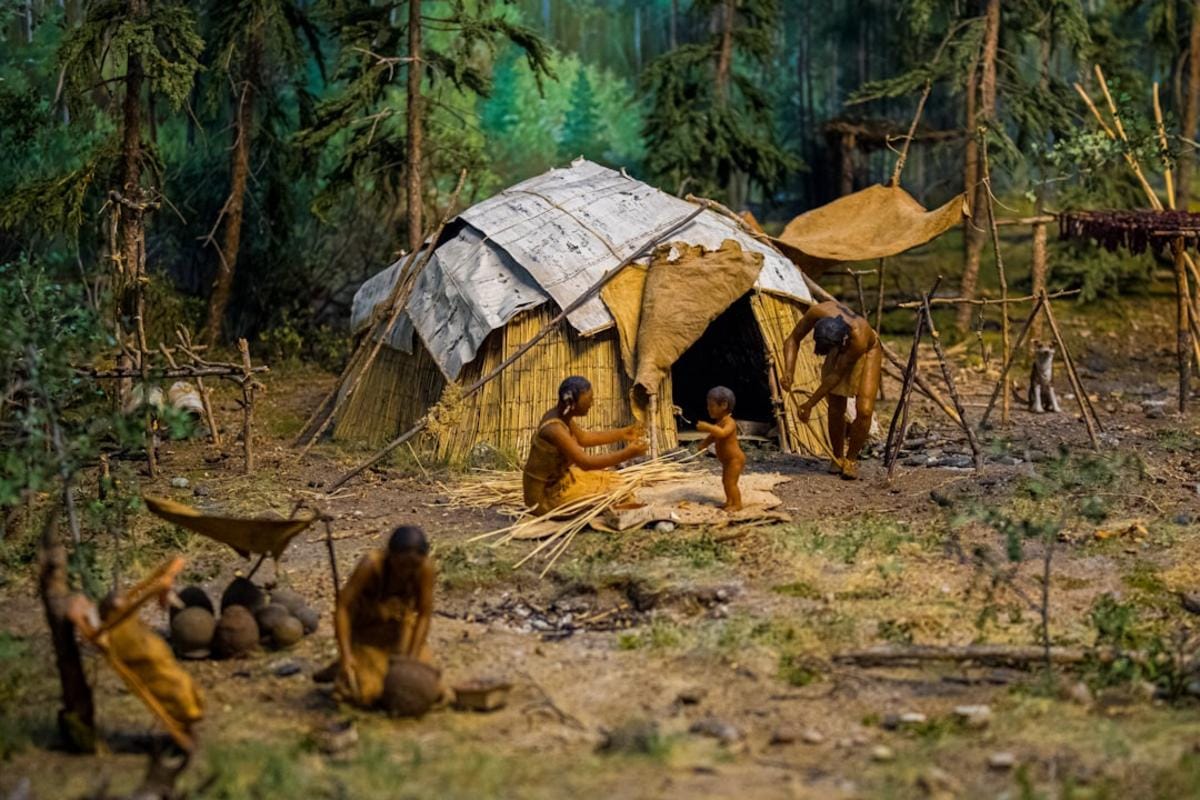
The Neolithic era, often termed as the New Stone Age, marks a transformative period in human history characterized by revolutionary advancements such as the advent of agriculture, animal domestication, and the establishment of permanent settlements. Spread across different continents, this epoch signifies the dawn of complex societies and technological innovations that laid the groundwork for modern civilization. The archaeological record reveals that during this period, humans transitioned from nomadic lifestyle groups to settled communities, fostering the development of social hierarchies and cultural practices that persist today. Central to understanding this epoch are the tools and artifacts left behind, which serve as tangible links to our ancestors' ingenuity and adaptability. The Taş Tepeler project provides invaluable insights into this vital chapter of human history, uncovering artifacts and settlement remains that shed light on early social organization, spiritual beliefs, and technological innovation. This project not only emphasizes the importance of cultural memory but also demonstrates how ancient humans actively shaped their environment, laying foundations for future societal development. By exploring the early innovations of Neolithic societies through archaeological excavations, we gain richer perspectives on how human ingenuity has evolved over millennia, fostering a greater appreciation for the roots of our shared cultural heritage.
Unearthing the Past: The Taş Tepeler Project and Its Discoveries
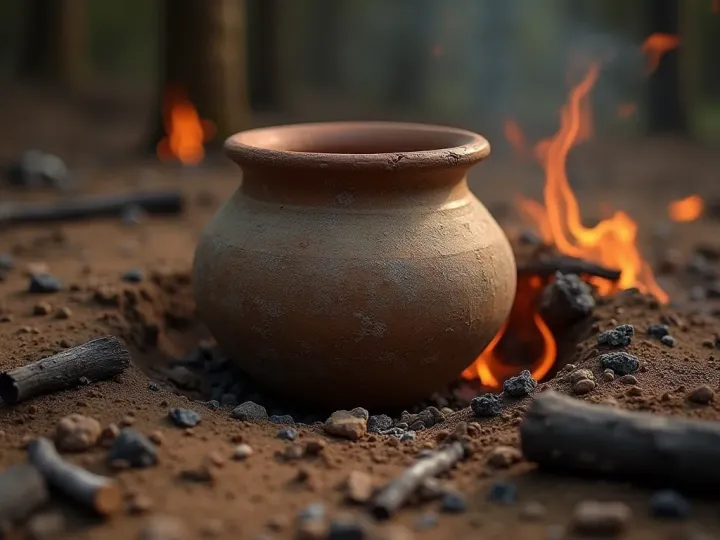
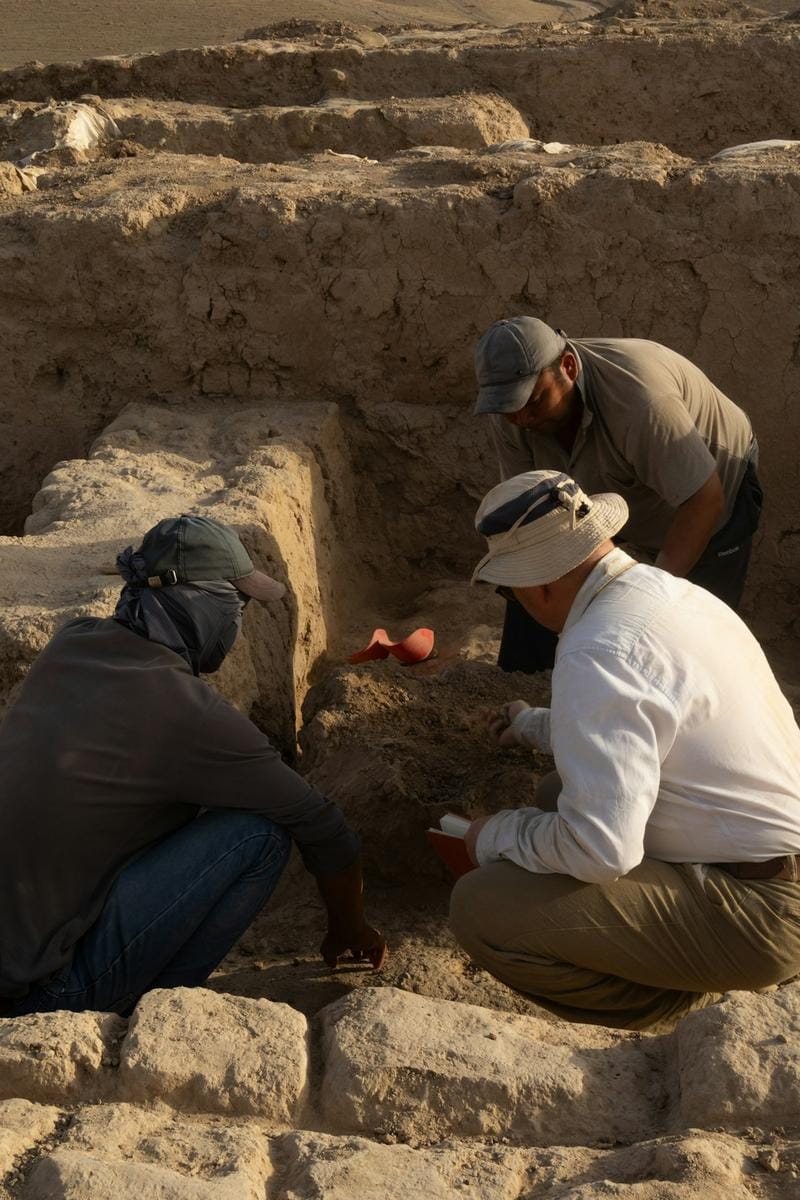
The Taş Tepeler project represents a cornerstone in Turkey’s prehistoric archaeology, offering a comprehensive view into Neolithic life through meticulous excavations and research efforts. Located in the heart of Anatolia, this ongoing project has uncovered a stunning array of artifacts, including finely crafted tools, pottery fragments, and remnants of early dwellings. These discoveries have significantly enriched our understanding of Neolithic societies and their daily practices, revealing evidence of early farming techniques and complex social interactions. The project’s findings highlight a population that was remarkably innovative, utilizing available resources creatively to meet their needs. Among the most remarkable discoveries are the ancient stone tools, which demonstrate advanced craftsmanship and adaptation to their environment. Visitors and scholars alike find the site captivating, as it offers an immersive journey into the origins of agriculture, settlement organization, and spiritual life in prehistory. In addition to academic research, the Taş Tepeler project is committed to disseminating knowledge to the public through exhibitions and educational programs, fostering a broader appreciation of Turkey’s rich archaeological heritage.
From Artifacts to Culture: The Impact of Neolithic Innovations on Modern Heritage
The technological and social innovations that emerged during the Neolithic era continue to influence modern cultural practices and technological development. From the earliest forms of agriculture to the creation of pottery and woven textiles, these innovations laid the foundational skills and knowledge essential for the evolution of complex societies. The artifacts discovered at the Taş Tepeler site serve as tangible evidence of these advancements, illustrating how early humans adapted their environment to sustain growing populations. Moreover, the Neolithic period marked the beginning of spiritual and symbolic expression through painted ceramics and ritual objects, which provide insight into the beliefs and worldview of prehistoric communities. In recent years, the integration of archaeological findings into educational and cultural programs has helped foster a greater appreciation for this ancient heritage. For instance, museums and cultural centers now offer interactive exhibits, including Neolithic-themed toys, games, and novels designed to engage broader audiences — making ancient history accessible and exciting for children and adults alike. These initiatives bridge the gap between past and present, emphasizing how early innovations continue to shape our shared human journey, and underscore the importance of preserving and celebrating our ancient cultural roots.