Unveiling the Mysteries of the Neolithic Era Through the Taş Tepeler Project
Understanding the Neolithic Transition and Its Cultural Significance
The Neolithic era, often termed as the New Stone Age, marks one of the most revolutionary periods in human history. It is characterized by the advent of agriculture, which transformed human societies from nomadic hunter-gatherers into settled communities. This profound shift enabled the development of early villages and complex social structures. The origins of farming techniques, domestication of animals, and the creation of permanent dwellings laid the groundwork for future civilizations. In Turkey, archaeological sites such as those uncovered by the Taş Tepeler project offer invaluable insights into how early humans adapted to diverse environments and innovated tools to improve their lives. This era not only signifies technological advancements but also heralds the beginning of cultural expressions seen through art, pottery, and ritualistic practices. Understanding these developments enables us to appreciate the roots of contemporary societal norms and cultural identities, highlighting the importance of preserving and studying these ancient artifacts for future generations.
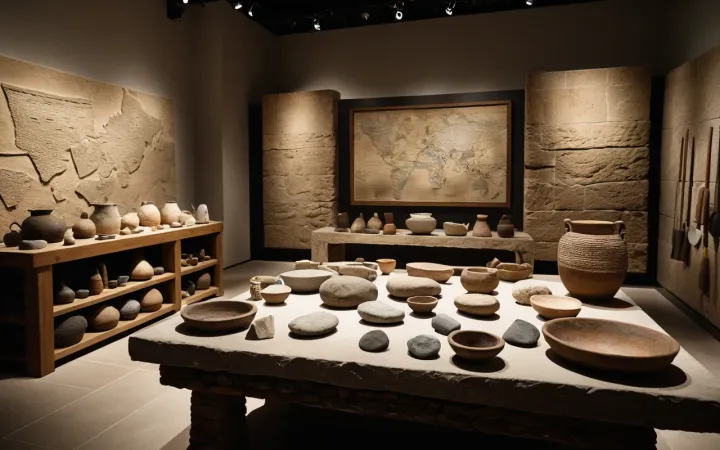
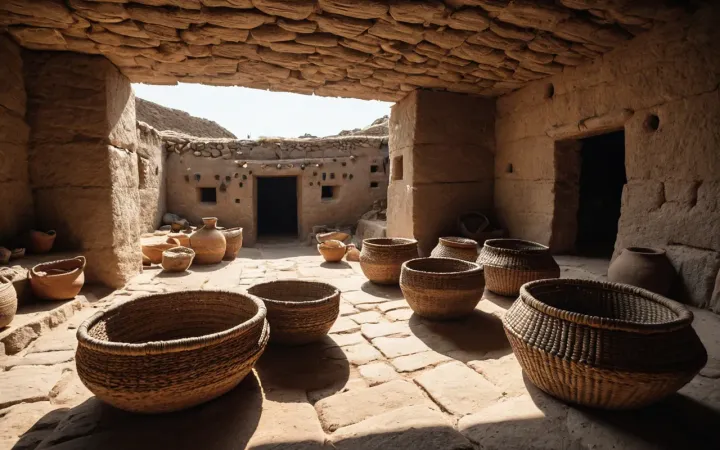
The Taş Tepeler project stands as a testament to Turkey’s rich archaeological heritage, offering a comprehensive glimpse into the Neolithic period. This ongoing excavational effort uncovers a multitude of artifacts such as stone tools, pottery fragments, and remnants of early dwellings, all of which contribute significantly to our understanding of prehistoric life. What makes the Taş Tepeler project particularly fascinating is its multidisciplinary approach, integrating advanced techniques like carbon dating and 3D imaging to piece together the everyday lives of ancient inhabitants. Visitors and scholars alike benefit from this resource-rich site, which provides detailed information about early agricultural tools, settlement patterns, and societal organization. Additionally, the project has served as an educational hub, encouraging local communities and international visitors to appreciate and support Turkey’s ancient history. As archaeology continues to evolve, initiatives like Taş Tepeler ensure that these invaluable discoveries are shared, studied, and preserved for posterity.
The Cultural Heritage and Educational Impact of Neolithic Artifacts
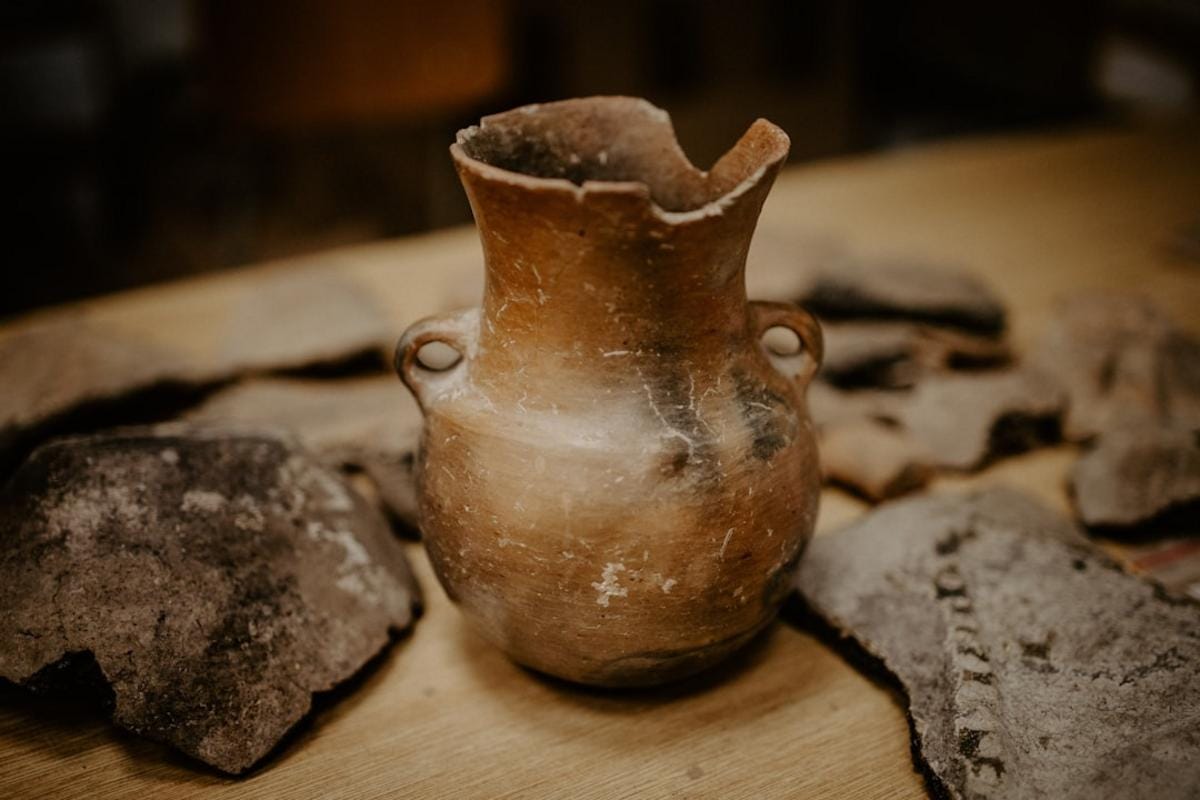
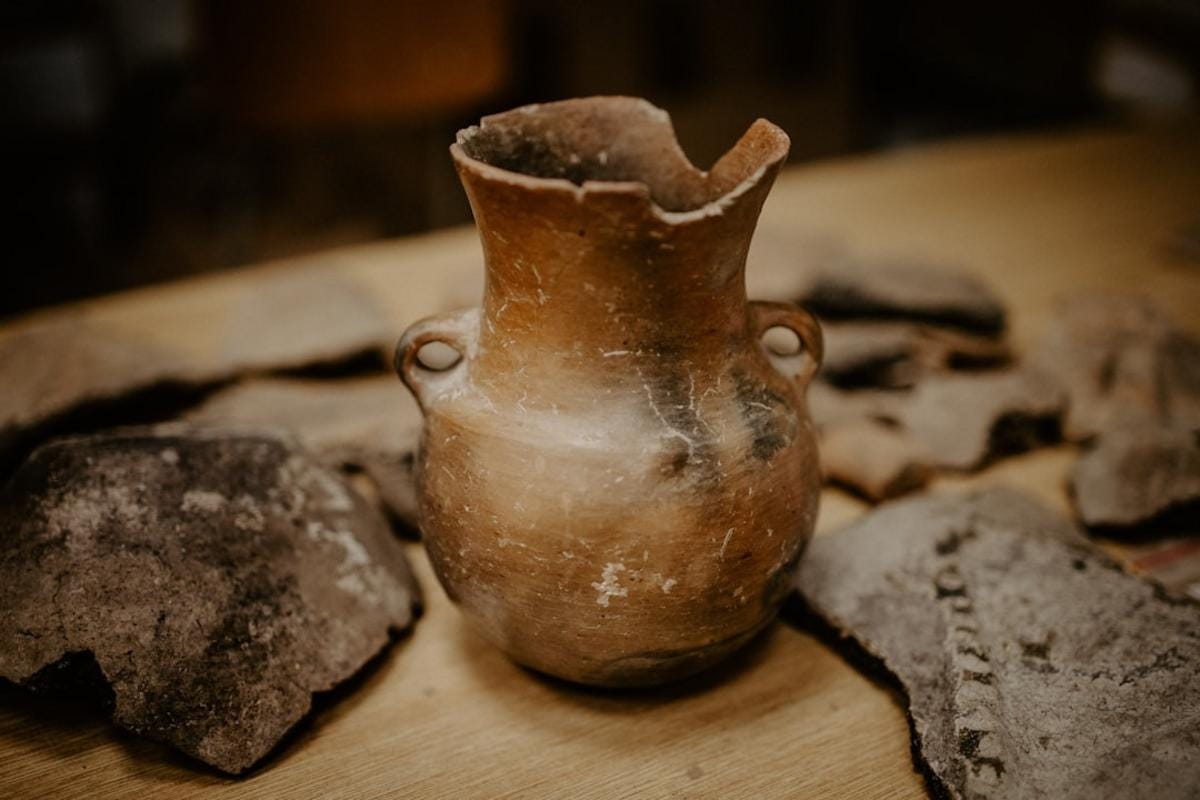
The artifacts unearthed from Neolithic sites like Taş Tepeler serve as invaluable cultural relics that illuminate the artistic and spiritual lives of early humans. These objects—ranging from intricately carved figurines to painted pottery—are more than mere tools; they are expressions of early symbolism, ritual, and community identity. Modern museums and educational programs leverage these artifacts to connect people with their distant ancestors, fostering a sense of cultural continuity. For enthusiasts who wish to deepen their engagement, many offer replicas and souvenirs inspired by ancient Neolithic art. These include jewelry, miniature tools, and decorative pieces that bring the ancient world into our daily lives. Turkey’s commitment to preserving and showcasing these artifacts ensures that future generations can continue to learn about early human ingenuity. It’s inspiring to see how the legacy of these ancient artists and craftsmen still influences contemporary creative expressions, emphasizing the timelessness of human creativity.