Why 9,000-Year-Old Arrowhead Engravings Still Baffle Archaeologists
The Mystery That Won't Stay Buried
Imagine holding a razor-sharp stone tool. It is perfect in every way except one. Someone spent hours etching strange lines into the surface. Why? No one knows. Not after decades of study.
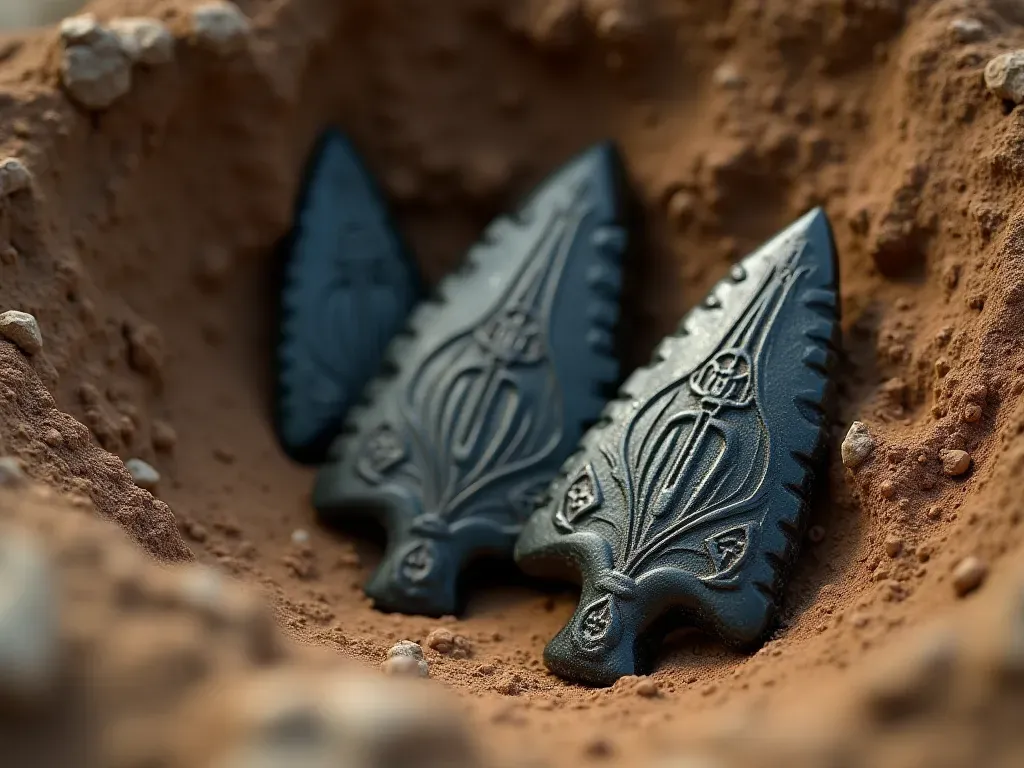
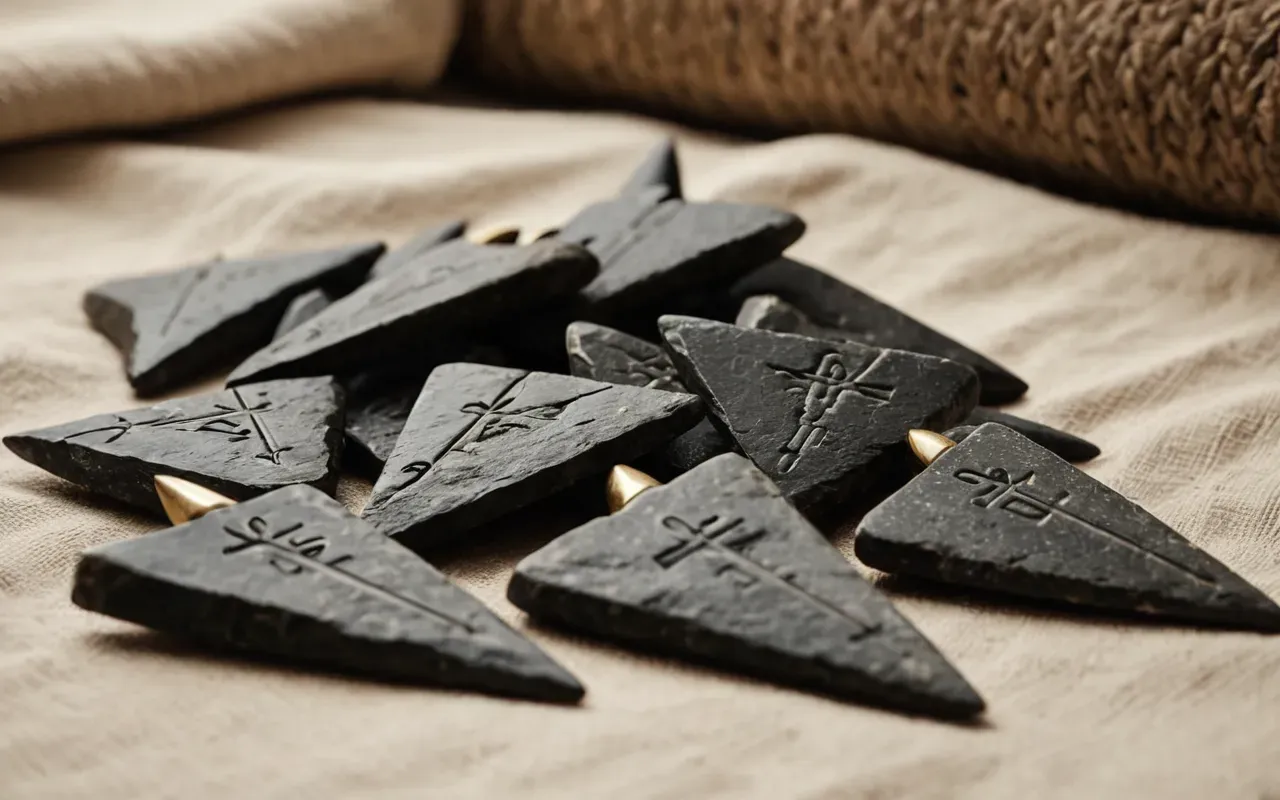
This is the reality facing researchers in central Anatolia. For over a thousand years during the Neolithic period, local pastoralists decorated their obsidian arrowheads with geometric designs. These markings are completely unique to this region of Turkey.
We usually think of prehistoric tools as purely functional. A spearhead is for hunting. An axe is for woodcutting. But these engravings complicate that simple view. They suggest something deeper was happening in early human minds.
The new study adds eleven more examples to the list. They come from the site of Tepecik-Ciftlik. This brings the total known count in central Anatolia to fifty-four. That is a small number, but it tells a big story.
Why These Stone Tools Defy Explanation
Here is the thing that frustrates scientists. The engraved arrowheads are physically identical to non-engraved ones. They were found mixed in with regular tools in dwellings or workshops. There was no special context.
You might expect to find these in a grave or a ceremonial pit. But no such evidence exists. Use-wear marks show they were used for hunting just like any other point. They were not kept as sacred objects.
Researchers considered the idea that these marks served as identity tags. Perhaps a hunter used them to claim credit for kills. But only fifty-four tools were marked over a thousand years. That makes the personal ID theory unlikely.
The engravings themselves are puzzling. Every single design is unique. There are no repeating patterns or motifs across the entire collection. This suggests the marks were not part of a standardized symbolic language.
Some arrowheads were etched after manufacture was complete. Others were marked before edges had been retouched. The production process varied wildly from one toolmaker to another. This inconsistency adds to the confusion.
The Effort Behind Each Etched Line
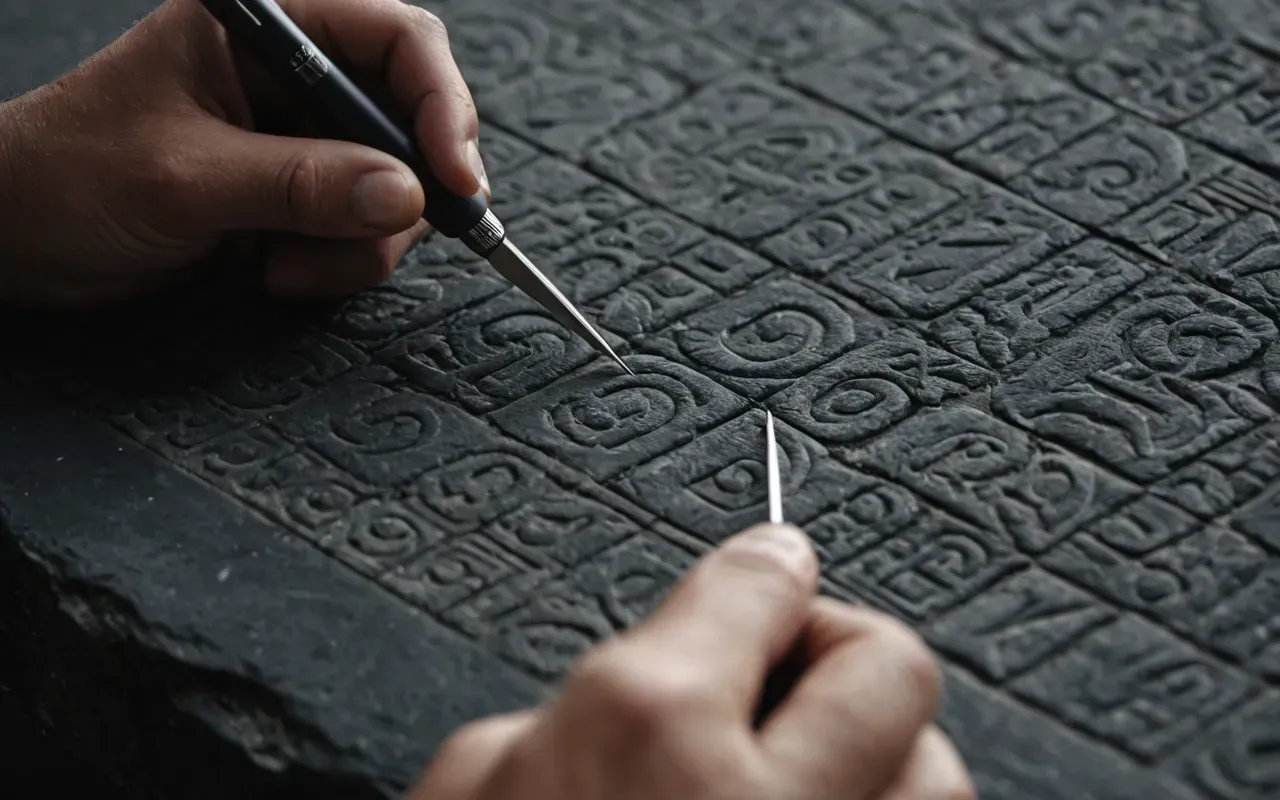
These markings were definitely not accidental. They required rare materials like flint to produce. It took repeated intentional strokes to create visible lines on hard obsidian glass.
In one striking case, a toolmaker went over the same marking about twenty times. This ensured its visibility on the dark surface. That level of repetition shows deliberate intent and patience.
I was struck by this detail. It implies that the person cared deeply about how the tool looked or felt. They invested time into something that offered no obvious functional benefit to the hunt.
What This Means for Our Understanding of History
The study authors admit the evidence is too baffling for a single coherent interpretation. They suggest that simple decoration, identification marks, and magical practices might all be at play.
These interpretations are not mutually exclusive. The engravings might serve different purposes for different people or at different times. This complexity challenges our desire for simple answers about the past.
This finding fits into a broader pattern of Neolithic innovation. If you are interested in how the Neolithic era was actually a tech boom, this discovery adds another layer to that story.
We often view early humans as simple survivalists. But these tools suggest a rich inner life and cultural expression. They were experimenting with form and function in ways we are only beginning to understand.
The Taş Tepeler project in Turkey is doing vital work to highlight these insights. It connects ancient innovations to modern cultural heritage and shows how deep our roots go into this period of history.
Why the Mystery Persists in Modern Research
New sites continue to yield surprising artifacts. For example, turning a Neolithic village into a museum helps preserve these contexts for future study and public engagement.
Scientists are still working to decipher the meaning of these ancient etchings. Each new find adds data but also more questions. The lack of a clear pattern keeps researchers honest and humble.
This mystery reminds us that the past is not just a collection of facts. It is a web of human choices and meanings that we are only starting to unravel with patience and care.
As enthusiasts explore resources like the Taş Tepeler project, they gain a deeper connection to this era. The more we learn about these tools, the clearer it becomes that early humans were complex and creative beings.
The next breakthrough might come from a new site or a fresh perspective. Until then, these engravings remain one of the most intriguing unsolved puzzles in prehistoric studies.
So what do you think? Are these marks personal signatures, spiritual symbols, or something else entirely? The answer may lie in the minds of people who lived nine thousand years ago.
Until we find more evidence, the mystery remains open. And honestly that is what makes it so fascinating for scholars and history buffs alike who love a good enigma from the deep past.