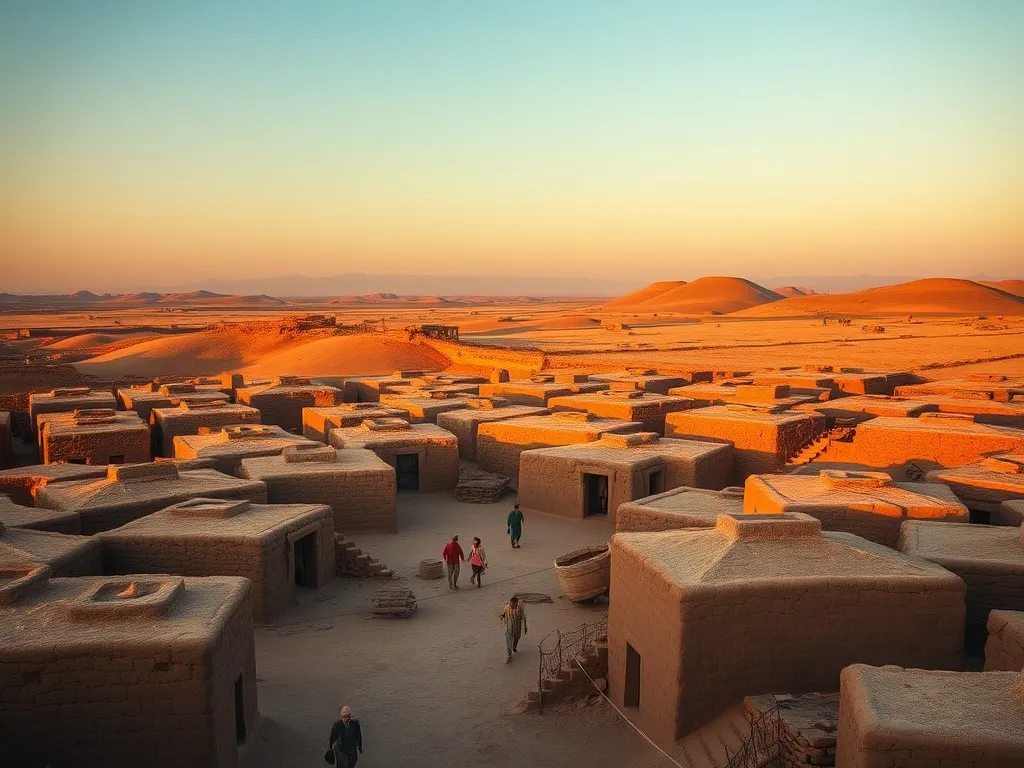
Kahintepe Faces Submersion as Archaeologists Push to Resume Excavations at the Black Sea's First Pre-Pottery Neolithic Site
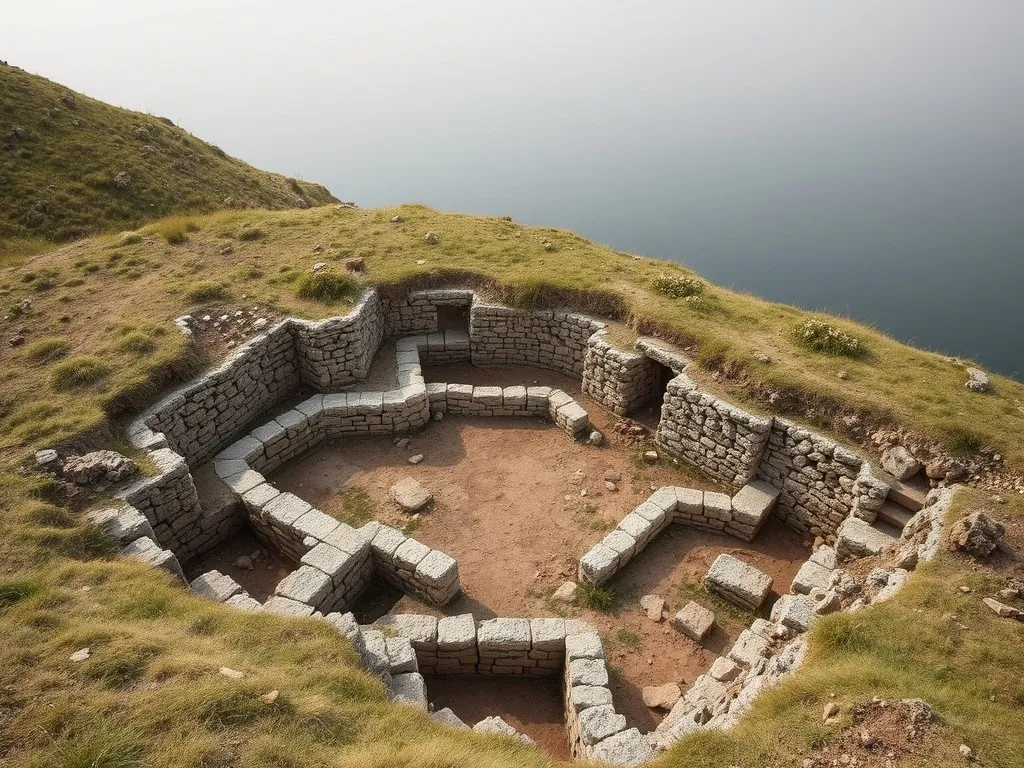
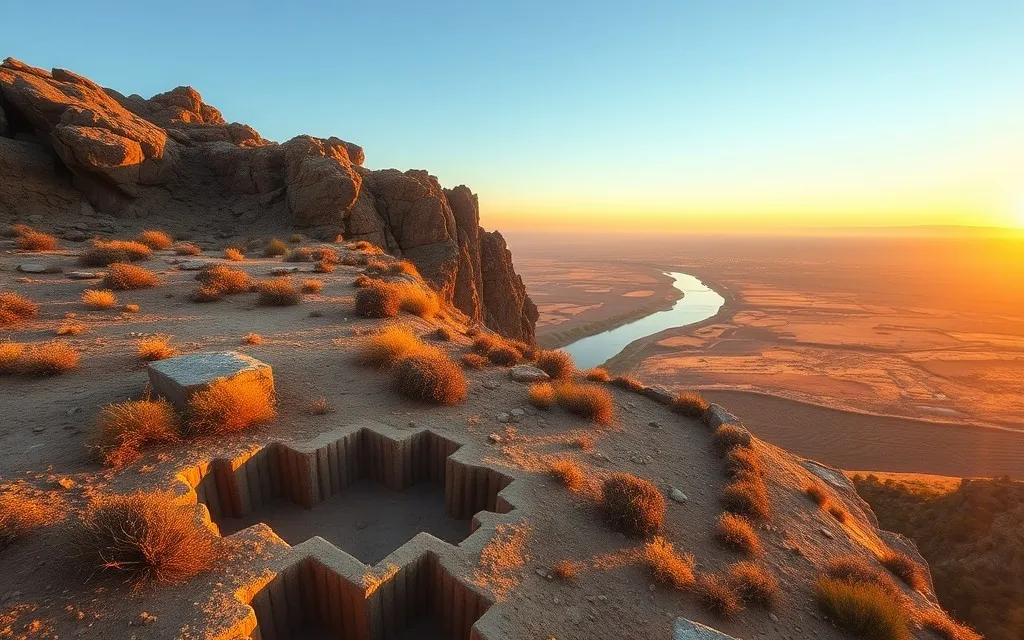
Picture a rocky hill above the Araç River valley, roughly four kilometres from the town of Araç in Kastamonu province. It holds carved bears, bulls, gazelles and snakes, plus serpentine eye symbols found nowhere else. Now picture that hill underwater.
That is the choice facing Kahintepe, the first known Pre-Pottery Neolithic site ever identified in Türkiye's Black Sea region. A renewed appeal reported by Kastamonu Gündem on November 24, 2026 brought the danger back into public view. Hikmet Haberal of Kastamonu University called for excavations to resume and for projects that could keep the prehistoric site from being submerged.
A Hill That Rewrote Northern Anatolia's Prehistory
Before Kahintepe, no settlement or place of worship dating to the Pre-Pottery Neolithic had been identified anywhere in the Black Sea region. That single fact makes the site extraordinary. Excavations began in 2018 under the direction of Kastamonu Museum, with Dr Nurperi Ayengin of Düzce University leading the scientific research as part of a rescue archaeology project tied to the Filyos Dam development.
The site stretches across roughly 150 by 80 metres of agricultural fields and woodland. Archaeologists identified two main phases of occupation, an earlier Pre-Pottery Neolithic one and a later phase at the end of the Early Bronze Age. Offering pits from that later period cut into the older deposits, which complicates any reading of the earliest history.
The Eye Symbols Nobody Has Explained
Here is the detail that should stop you mid-scroll. Among the finds are eye-shaped objects carved from serpentine, and similar eye motifs appear on sculptures that combine different anatomical features. Writing for Atlas magazine in November 2020, Ayengin noted that researchers had not encountered this particular form of symbolism at other contemporary archaeological sites.
The craftspeople worked serpentine, basalt, marble, flint and radiolarite. They carved bears, bulls, wild boars, gazelles, snakes and birds including eagles, hawks, vultures, ducks and sparrows. Some pieces carry red ochre and black pigment. That is a full symbolic vocabulary, and it survives only as long as the ground holding it does.
If you want to understand why animal imagery carried such weight in early ritual spaces, our look at Göbekli Tepe and the world's oldest temple complex is a useful starting point.
Why the Göbeklitepe Comparison Cuts Both Ways
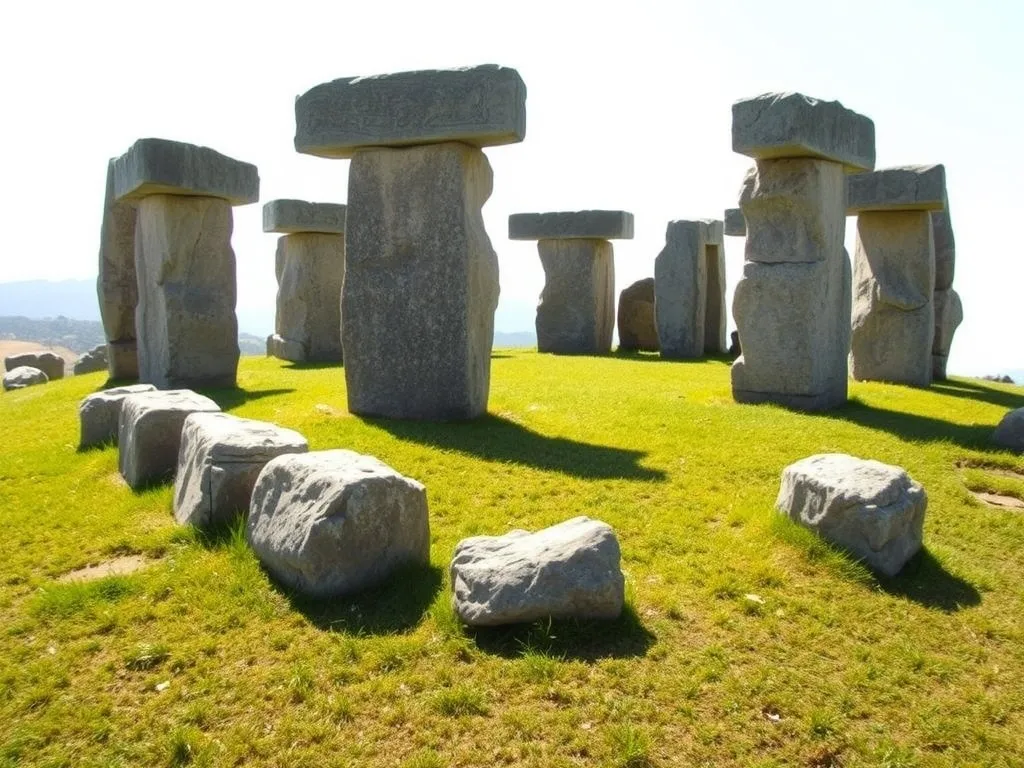
Kahintepe has been nicknamed the Göbeklitepe of the Black Sea, and the parallels are real. Researchers documented stone uprights intended for architectural use, stylised T-shaped objects, and a carefully carved bull's horn resembling motifs on Göbeklitepe's pillars. Bird imagery links it to Körtiktepe and Nevali Çori as well.
But similarity is not contact. Ayengin reported in 2020 that researchers had yet to recover suitable samples for radiocarbon dating from the Neolithic layer, so the chronology rests largely on stone tools and material culture. The site's exact age remains an open question, and open questions are exactly what a flood closes.
A rounded structure linked to stoneworking was interpreted by Ayengin in a 2019 Anadolu Agency interview as a prehistoric stone workshop. Taken together, the evidence hints at a gathering place where communities met, worked stone and shared rituals, rather than a simple permanent village.
Nevali Çori Already Showed What Losing a Site Costs
Anatolia has run this experiment before. Nevali Çori, a Pre-Pottery Neolithic settlement in Şanlıurfa province, gave the world its first clear picture of prehistoric ritual architecture through T-shaped pillars, stone sculptures and a ceremonial building. Despite years of rescue excavations, it disappeared beneath the Atatürk Dam reservoir in the early 1990s.
Moving portable finds into a museum does not replace a site. The spatial relationships between objects, architecture, deposits and landscape carry the scientific meaning. Lose that context and you lose questions future technology might have answered, a problem we examined in why the most boring part of archaeology is its greatest secret.
So who wins here? Infrastructure does, at least in the short term. Who loses? Anyone who cares about how ideas moved between distant prehistoric communities across Anatolia, the Caucasus, the Near East and Europe, since Kahintepe's tool traditions hint at exactly that traffic.
Haberal's appeal is narrow and practical. Restart the digging. Build the projects that could save the hill. The dam timetable is not waiting, and neither is the water.
Source: arkeonews.net