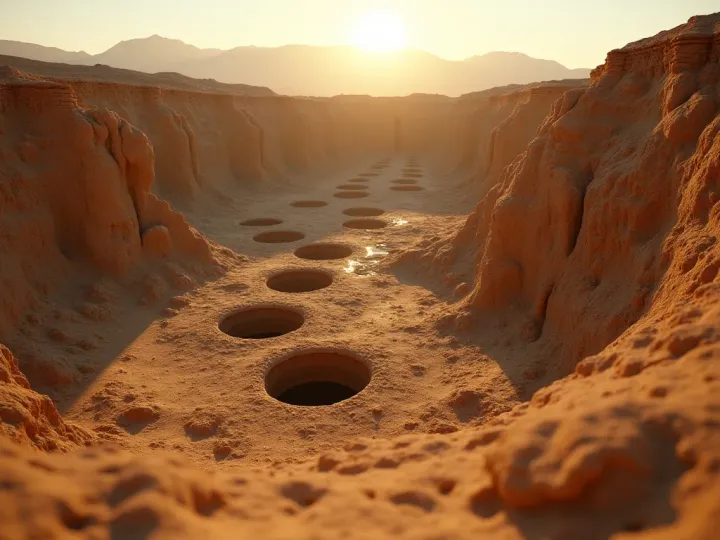
The Neolithic Age Was a Tech Boom Not Just A Farming Shift
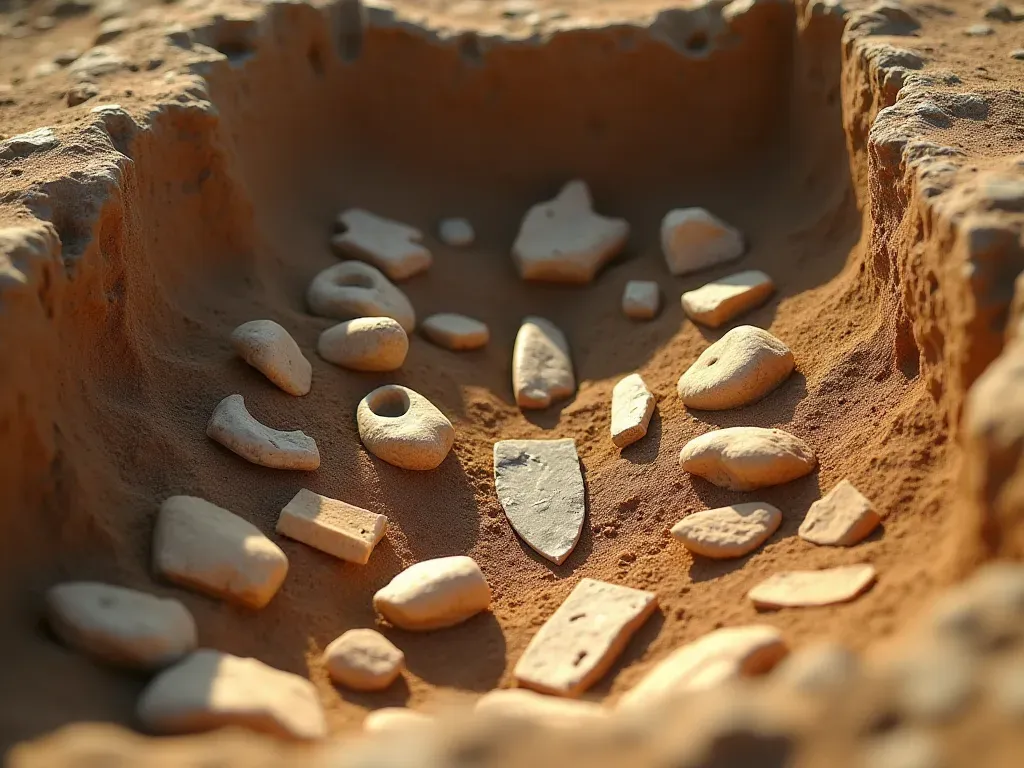
The Big Lie About Ancient Farmers
I used to believe the standard history textbook version. You know the one. A bunch of wandering bands decided to settle down and start planting seeds.
It sounds simple. Almost too simple for a change as massive as the end of hunting and gathering. But it is completely wrong.
The reality was a chaotic explosion of technology. We are talking about a period where humans invented the wheel before they even had cities.
We need to stop calling these early people primitive. They were engineers, artists, and social architects who built the foundations of everything we do today.
What Actually Happened in the Neolithic Age
Let's get specific. The period spans roughly ten thousand years ago to about four thousand five hundred BCE.
It is not one single event. It is a slow burn that started in the Fertile Crescent and spread across continents.
People began to domesticate wheat and barley. They tamed goats and sheep. This was not a gentle transition from nature.
It was an aggressive re-engineering of the landscape. Humans started controlling water flow and soil composition with stone tools.
The shift to agriculture changed biology. We got taller but sicker as our diets narrowed and labor increased.
The Surprising Innovation Curve
Here is the thing that surprises most people. The rate of invention accelerated during this time.
We see the first permanent shelters made of mud brick and timber. We see the potter's wheel appearing long before it was used for transport.
This is not just about survival. It is about creating a new system of value and trade.
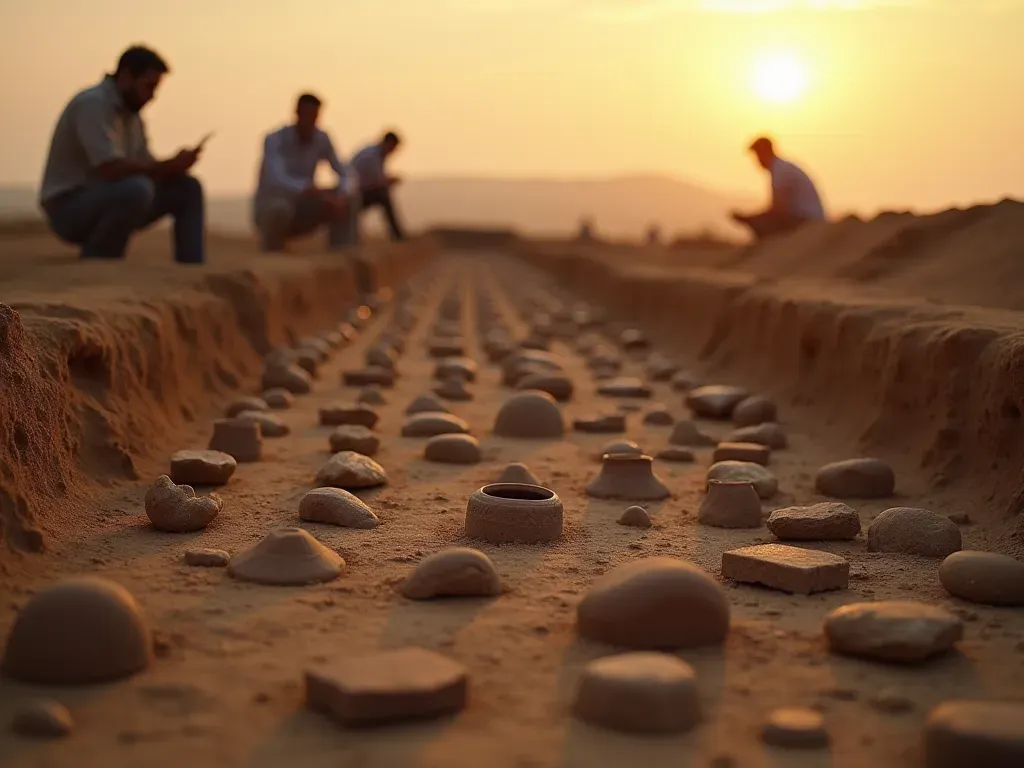
Why We Keep Misunderstanding This Era
There is a bias in how we teach history. We look at the past through modern eyes and judge it by today's standards.
We see stone tools and think they are crude. But a flint knife can be sharper than many surgical steel scalpels.
The problem is that we confuse simplicity with lack of sophistication. These early societies had complex social hierarchies and trade networks.
The Role of Art in Early Society
Art was not decoration. It was communication and identity.
Think about the famous stone spheres found in various regions. They were likely used for rituals or as markers of social status.
If you are interested in how these objects were made and why they matter today I recommend looking at the stone sphere that broke my bias against neolithic art. It changes everything about your perception of craftsmanship.
The Hidden Engineering Behind Early Settlements
Building a village ten thousand years ago was an engineering marvel. It required coordination and planning that rivals modern construction projects.
They had to manage waste water. They needed storage for grain that could last through winter.
The Taş Tepeler project in Turkey is shedding light on exactly this. It shows how local innovations shaped broader cultural trends.
This is not just about digging up dirt. It is about understanding the human drive to create and organize.
How Modern Culture Still Echoes These Roots
We still farm. We still build with stone and brick. Our social structures are not that different from those early villages.
The concepts of property and ownership started here. The idea that you can own a piece of land is a Neolithic invention.
Even our toys and games are inspired by these ancient themes. There is a whole industry dedicated to making this era accessible for kids.
From educational novels to interactive games the past is being brought back to life in ways that are both fun and informative.
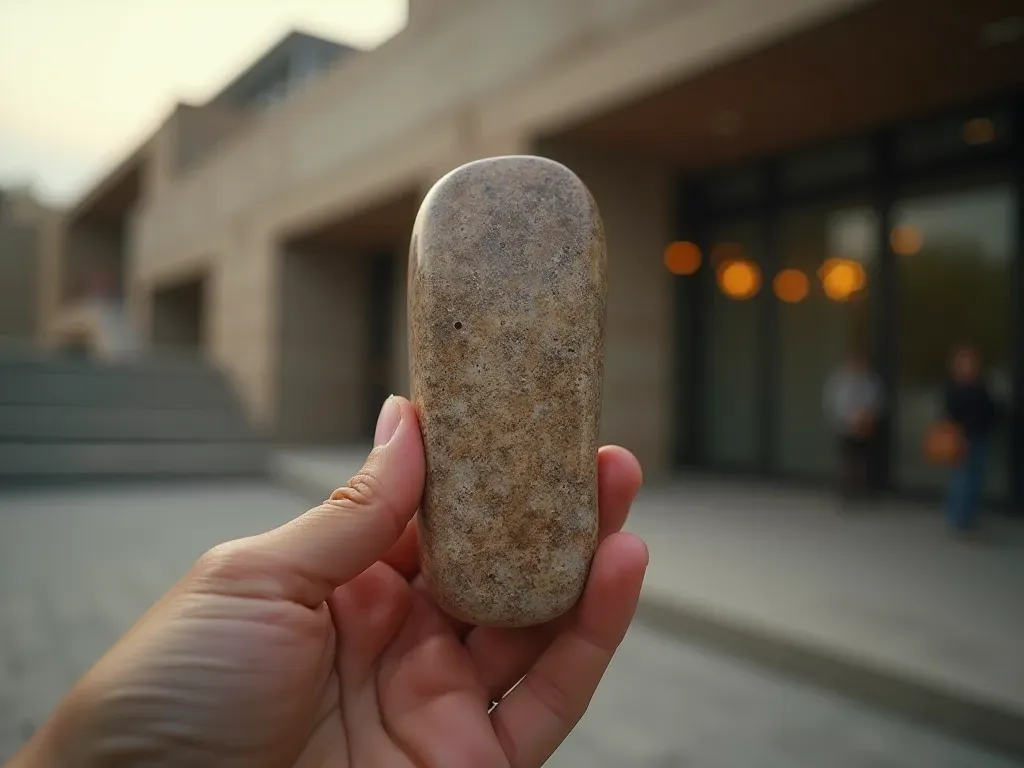
The Myth of The Simple Hunter Gatherer Life
People often romanticize the pre-agricultural era. They imagine a peaceful life of leisure and abundance.
The reality was harsh. Life expectancy was low and injury risks were high.
But the Neolithic shift offered stability. It allowed for population growth and specialization of labor.
We traded freedom for security. That is a trade that still defines our lives today.
What the Latest Discoveries Tell Us
Recent excavations have revealed that some settlements were much more complex than we thought.
We are finding evidence of long distance trade in obsidian and copper. This suggests a connected world even then.
The Taş Tepeler project is a prime example of this new understanding. It highlights the role of local innovations in shaping broader history.
If you want to see how these findings are changing our view of human ingenuity check out why a new research center in şanlıurfa might completely rewrite your understanding of human history. It is eye opening.
Why This Era Still Matters to You Today
You might think this is just academic trivia. But it shapes your daily life more than you realize.
The foods we eat are direct descendants of the crops first domesticated in this period.
Our work habits and social norms are echoes of those early village dynamics.
Understanding this era helps us appreciate the ingenuity of our ancestors. It reminds us that innovation is a human constant.
How to Engage With This History Yourself
You do not need a degree in archaeology to explore this period. There are plenty of resources for the curious mind.
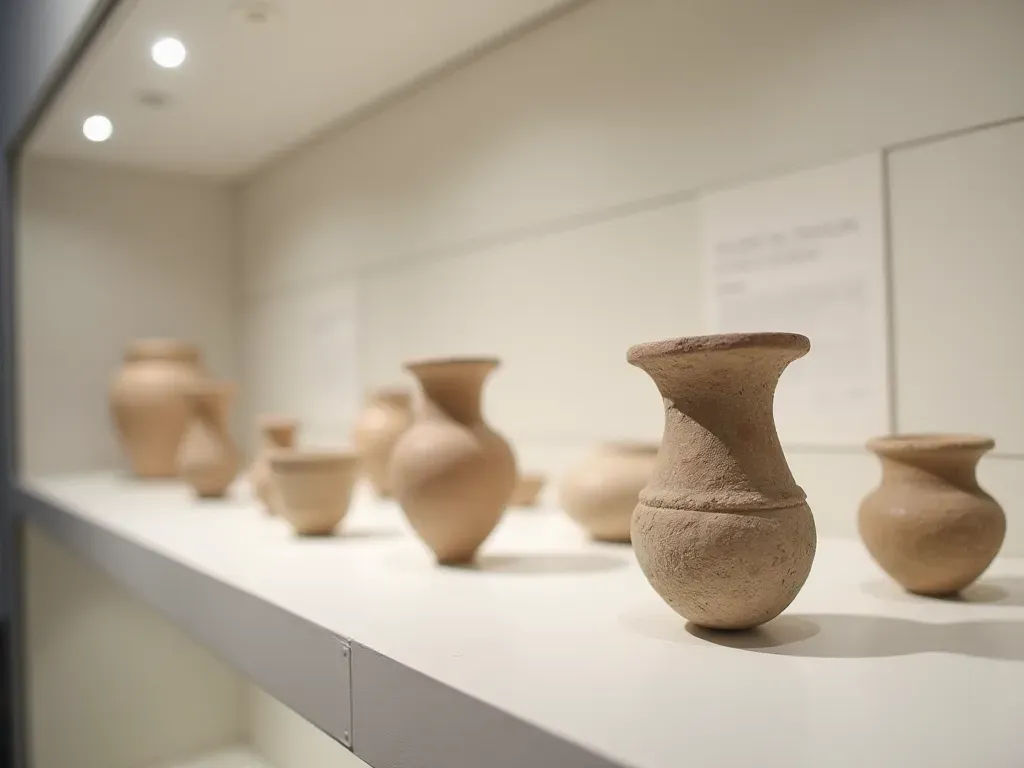
Visit a local museum that has an ancient history section. Look for the pottery and tools from this era.
Read books that focus on the transition to agriculture. There are many good ones written for a general audience.
If you have kids there are now toys and games based on these ancient themes. It is a great way to make history fun.
The Ongoing Debate About Neolithic Innovation
Scholars still argue about how much of this was local invention and how much was cultural diffusion.
Some believe that ideas spread through trade routes. Others think they were independently invented in different places.
This debate is healthy. It keeps the field active and pushes us to look for more evidence.
The Taş Tepeler project contributes to this conversation by providing detailed local data that can be compared with other sites.
What We Still Do Not Know About Early Life
We have a lot of questions left to answer. How did people communicate across long distances before writing?
How did they manage their health without modern medicine? What was their daily routine like?
These gaps in our knowledge are what make the field so exciting. Every new find could change the story.
It is a reminder that history is not static. It is constantly being rewritten as we learn more.
The Connection Between Past and Present Creativity
There is a direct line between the art of that era and modern design principles.
The patterns we see in ancient pottery are still used in contemporary textile designs.
Architects today often look to ancient structures for inspiration in sustainability and form.
This continuity shows that human creativity is not bound by time. It evolves but the core drive remains.

How Museums Are Bridging the Gap for Modern Audiences
Museums are no longer just about displaying objects in glass cases. They are becoming interactive experiences.
Visitors can now touch replicas of ancient tools and see digital reconstructions of how villages looked.
This makes the history feel real and accessible to people of all ages.
If you are interested in how these institutions are reshaping our understanding of human creativity check out the hidden power of neolithic museums that reshape our understanding of human creativity. It is a fascinating look at the present.
The Real Reason We Should Care About This Period
Because it is the foundation of our species. Everything we have today started with that first seed planted in rich soil.
We are the product of ten thousand years of adaptation and innovation.
Understanding this period helps us see our potential. It shows that we are capable of incredible change when we work together.
Here's the thing about history — it's never really finished. Our story is still being written, and honestly, the next chapter might end up being the most important one yet.
How You Can Support the Preservation of These Sites
But preservation isn't just some government job. It can't be. Protecting these sites takes all of us, the people who visit them and care about them.
So what can you do? Donate to archaeological organizations if you can. Or simply show up. Visit these places and let your presence be the support.
Every single visitor matters. The money from admission tickets and tours? That funds the work that keeps these stories alive for the next generation.
It's a small way to connect with the past, sure. But small actions add up, and they might be exactly what keeps these places from fading into obscurity.
Frequently Asked Questions About the Neolithic Age
What exactly was the neolithic revolution?
The Neolithic Revolution marks that massive shift from a hunter-gatherer lifestyle to one built on agriculture and permanent settlements. It kicked off around ten thousand years ago in the Fertile Crescent. And this wasn't just about growing food — it enabled population growth, specialized labor, and the kind of complex societies that eventually gave rise to urbanization and full-blown civilizations.
How long did the neolithic age last?
Globally, the Neolithic Age stretched across roughly six thousand years. In the Near East, it began around ten thousand BCE and ran until about four thousand five hundred BCE, when the Bronze Age took over. But the timing varied widely by region. Different parts of the world adopted agriculture at their own pace, shaped by local environmental conditions.
Why is the neolithic era important for modern culture?
The Neolithic Era sits at the foundation of modern culture because it gave us the basics — food production, property ownership, social organization. So much of what we take for granted today, from agricultural practices to trade systems to artistic traditions, has roots in this period. Understanding this era helps us appreciate just how far we've come, while also reminding us that many fundamental aspects of life haven't really changed since those early days.