Neolithic Technology Was Better Than You Think
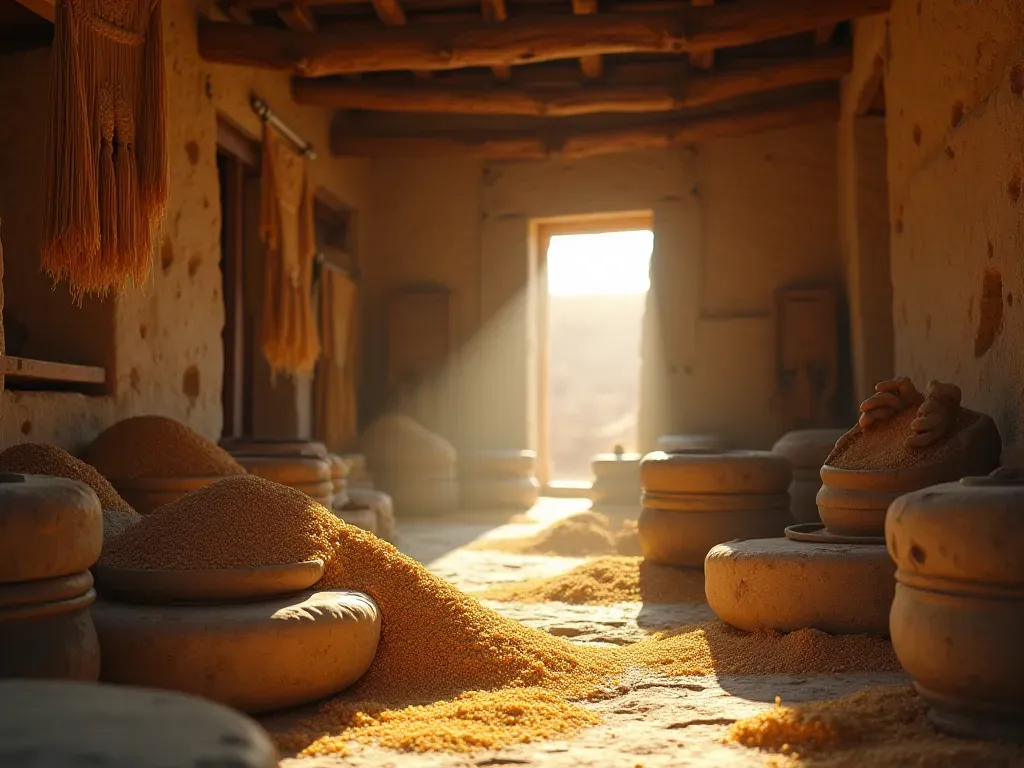
The Myth of Primitive Ancestors Is Finally Over
I used to think the Neolithic era was just a messy transition. Farming started. People got lazy. They built mud houses and complained about rain. But then I saw the data from recent digs.
We are wrong about how smart these people were. They weren't just surviving. They were engineering systems that still shock us today.
Look at the grain processing setups alone. They had specialized sieves and grinding stones that sorted wheat by size with precision we barely achieve in low-end modern mills.
It is not a simple story of progress. It is a complex web of innovation that we are only starting to map out.
Why We Still Get It Wrong About Ancient Tech
The problem is our bias. We measure intelligence by what we can touch and code.
If you build a computer chip in ten years it is genius. If you build a water system that lasts five thousand years without maintenance it is just old.
That double standard hurts our understanding of human ingenuity. It makes us ignore the elegance of simple tools.
Grain Processing Was Actually High Precision Engineering
Take the sifting process. Modern automated mills use metal screens and complex algorithms to separate kernels.
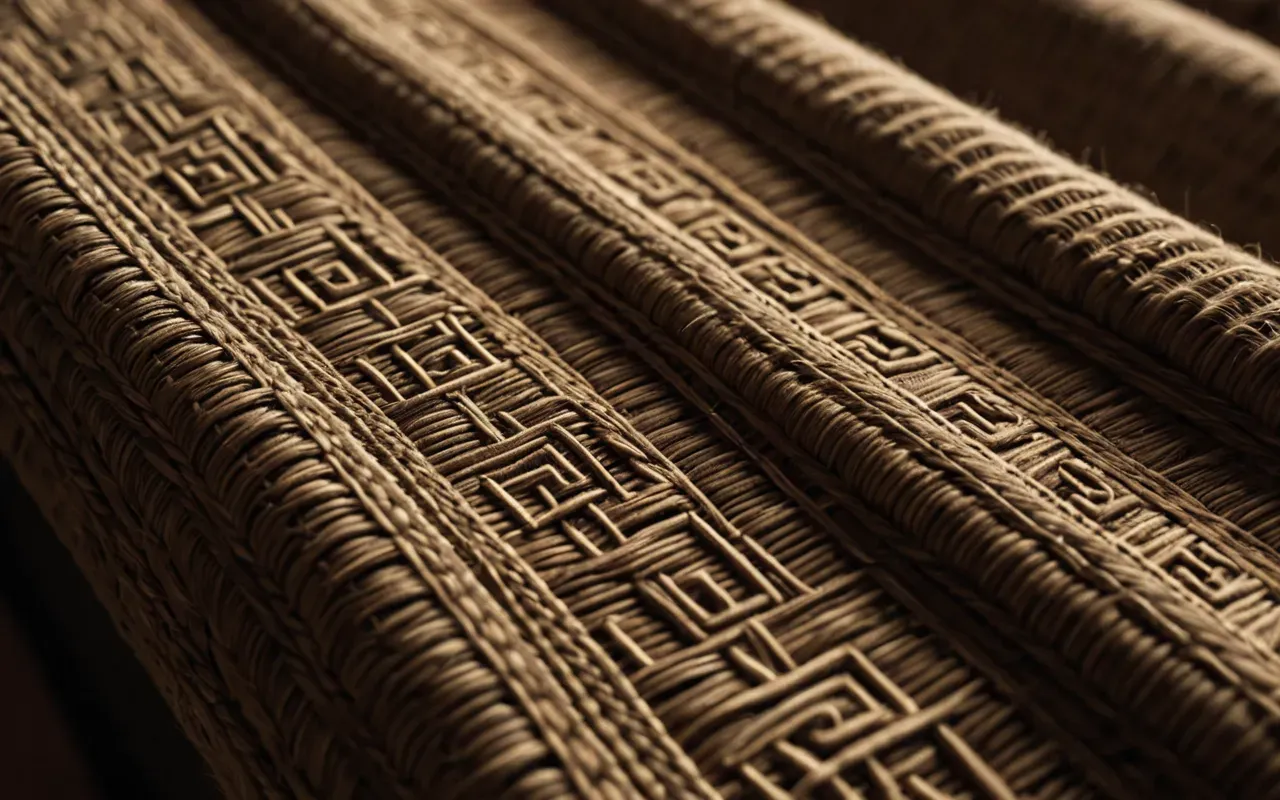
Neolithic people used woven mats made from plant fibers. These weren't random baskets.
They were calibrated filters. The weave density was tuned to let flour pass while keeping the husks behind.
I held a replica once. It felt light but incredibly strong. The tension in the weave was perfect.
The Water Management Systems That Outlasted Empires
Then there is irrigation. We talk about smart water meters and leak detection sensors.
Early settlers built clay pipe networks that used gravity to distribute water across fields.
No pumps. No electricity. Just precise angle calculations and material knowledge that prevented cracking over centuries.
It is a quiet victory of design. You do not need power if your physics are right.
Textiles Were the Original Silicon Chips
This is my favorite part. The complexity of Neolithic weaving rivals modern software architecture.
Think about it. A loom is a machine that processes input thread into output fabric based on a set of rules.
The patterns were stored in the weaver's mind. That is a human database.
If you want to see how this logic applies to modern systems, look at the Neolithic Blueprint That Outsmarted Modern Software Architecture. It makes for a fascinating read on parallel processing.
Why Your Phone Is Less Efficient Than a Clay Oven
Consider the clay oven. It stored heat for hours after the fire went out.
That is passive energy storage. It required zero maintenance and no fuel input during the cooling phase.
Our modern ovens use electricity to maintain temperature. It is actually less efficient for slow cooking tasks.
The Taş Tepeler Project Is Rewriting the Script
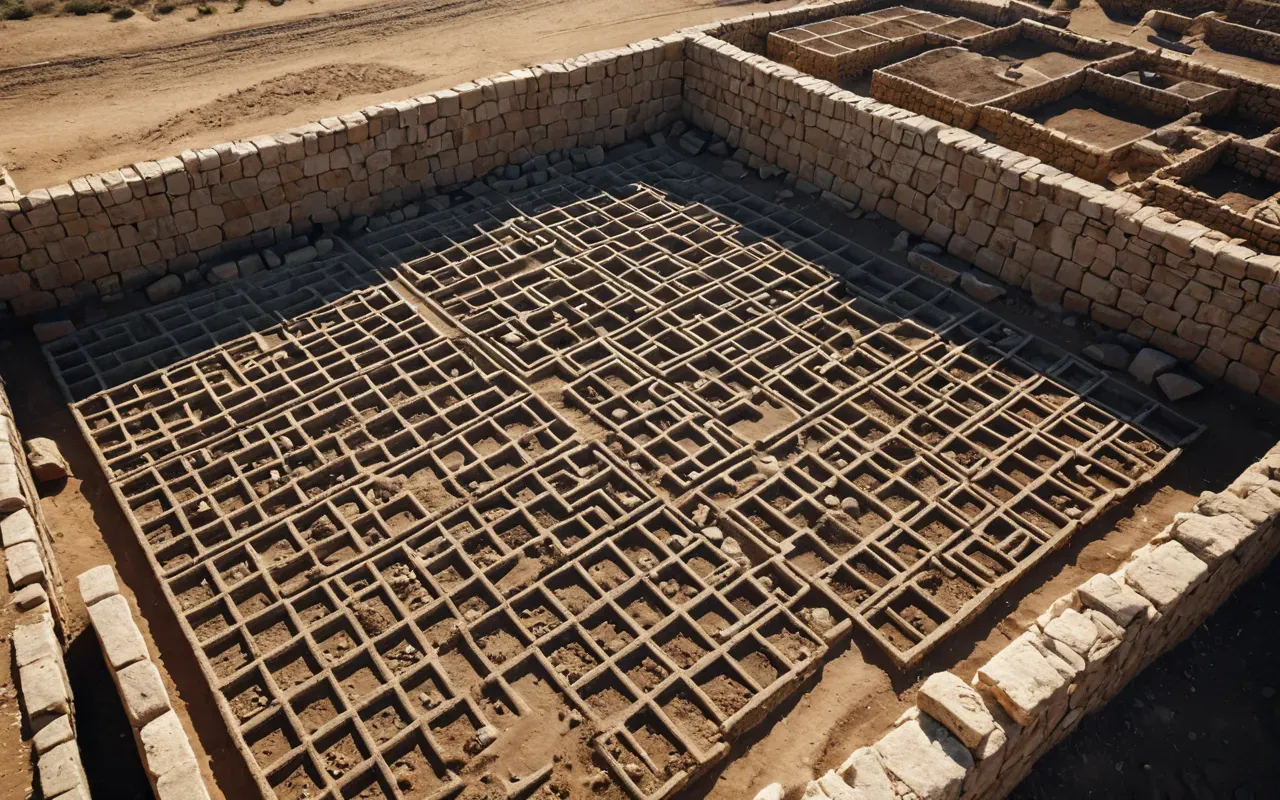
You cannot discuss this without mentioning Taş Tepeler. It is a goldmine of data on early settlements.
They found tools that show a level of standardization we usually associate with industrial revolutions.
This challenges the idea that quality control is a modern invention. It was here first.
If you are interested in how these findings change our view of how ancient people organized their first factories, the evidence is compelling.
What We Can Learn From Their Failure Tolerance
Modern tech fails spectacularly. A server crash takes down a company.
Neolithic tech failed quietly. If a pot cracked it was replaced with local clay.
Their systems were modular. You could fix one part without breaking the whole.
The Surprising Truth About Ancient Innovation Speed
We think we are fast. We launch apps in months.
But these communities developed agricultural techniques over just a few generations. That is rapid adaptation.
They were testing hypotheses in the field and iterating based on yield data.
It was an agile development process without the jargon. And it worked for thousands of years.
How This Changes Our View Of Progress
Progress is not a straight line. It is a spiral.
We keep reinventing the wheel because we forget how to make it well.
The Neolithic era taught us that the best technology is often the simplest one.
The Role of Material Science in Ancient Tools
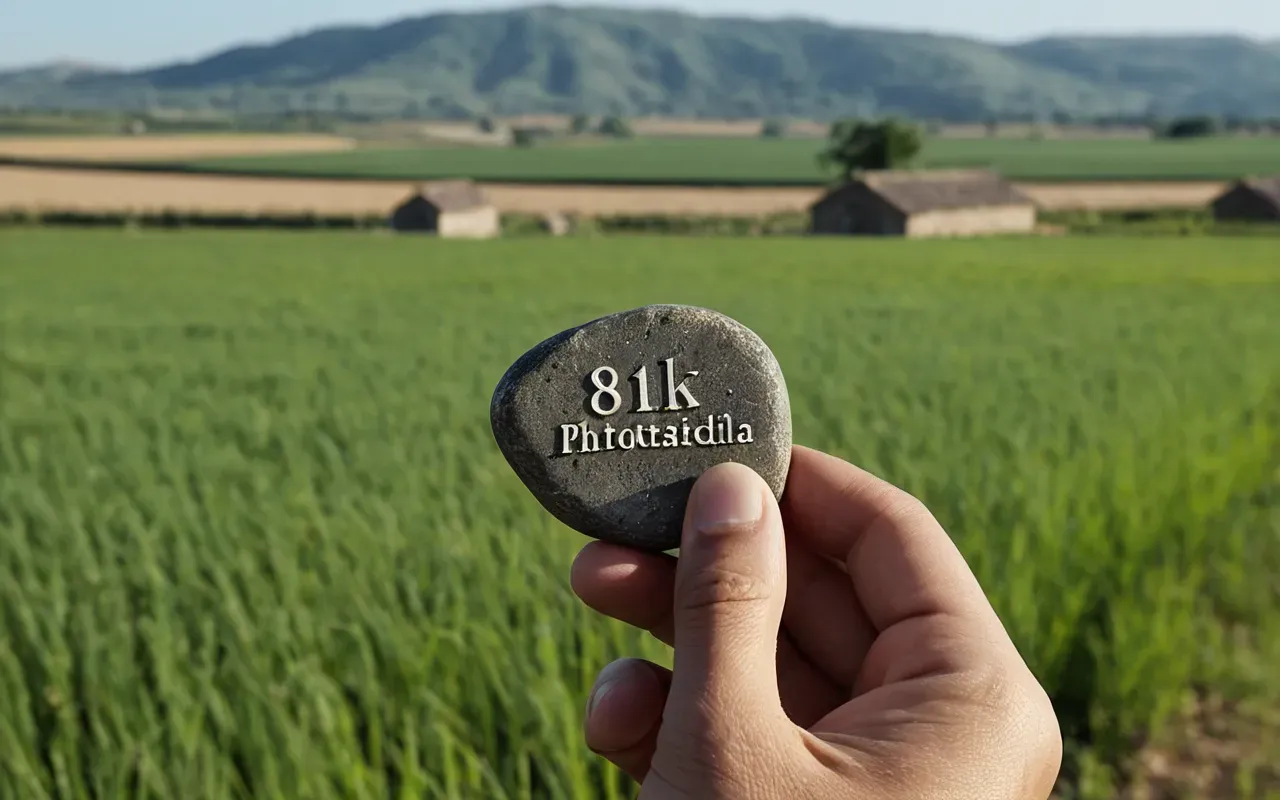
They knew exactly which rocks would hold an edge.
This is empirical science. You test it you learn from the breakage.
That knowledge was passed down through generations without written records.
Why Modern Engineers Should Study The Past
There is a lesson here for anyone building systems today.
Simplicity scales better than complexity. Reliability beats novelty every time.
If you are looking for examples of the 7 Neolithic Inventions That Outsmarted Modern Engineering, the list is surprisingly long.
We are not at the peak of intelligence. We are just in a different phase.
Frequently Asked Questions
What was the most advanced Neolithic tool?
The sickle is often cited as a peak of design. It had composite blades made from flint glued to wood with natural resin. This allowed for efficient harvesting and was far superior to simple stone knives in terms of yield per hour.
How did Neolithic people process grain without machines?
They used a combination of hand grinding and winnowing. Grain was crushed on flat stones then thrown into the air so wind could blow away the lighter chaff. This manual method produced high-quality flour with consistent texture.
Why is Neolithic technology considered superior to modern tech?
It is not better in power but better in durability and simplicity. Neolithic tools required no electricity or rare earth metals. They were made from local materials that lasted centuries with minimal maintenance making them more sustainable over long periods.
Did Neolithic people have written records of their inventions?
No they did not have a formal writing system. Knowledge was transmitted orally and through apprenticeship. This meant that technical skills were deeply embedded in culture and daily life rather than stored in external databases or books.
Can we still use Neolithic techniques today?
Yes many craftspeople and engineers study these methods. Traditional pottery firing using clay ovens is still popular for its even heat distribution. Similarly hand weaving techniques are valued in textile design for their unique texture and strength that machines cannot easily replicate.