The Neolithic Tool That Makes Modern Steel Look Amateur
The Sharpness Paradox in Prehistory
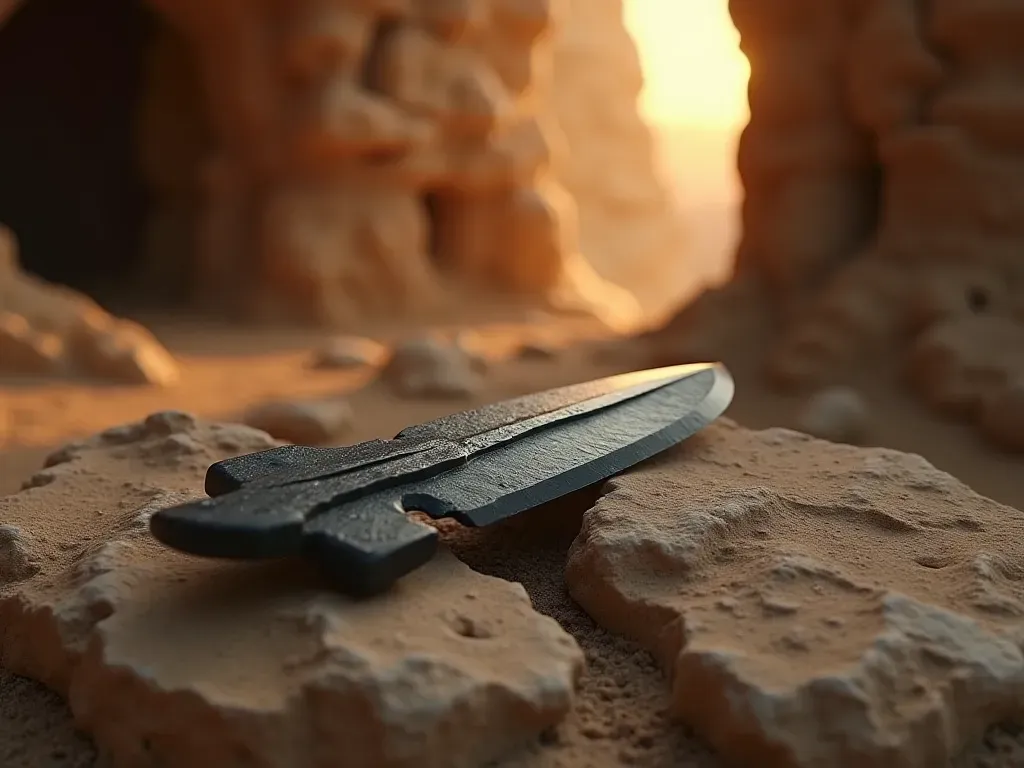
You probably figure ancient people were clumsy with their tools. I did too, once. Then I held a replica obsidian blade.
The edge was sharper than any surgical scalpel I have ever seen. That's a wild claim for something made of volcanic glass ten thousand years ago.
And that's the core problem with how we look at history. We see stone and assume low tech.
But the Neolithic era was a stretch of intense R&D. Not just farming wheat, either.
It was an optimization of human survival through material science. They figured out what worked.
Obsidian as the Original High-Tech Material
Take obsidian for a moment. It's volcanic glass.
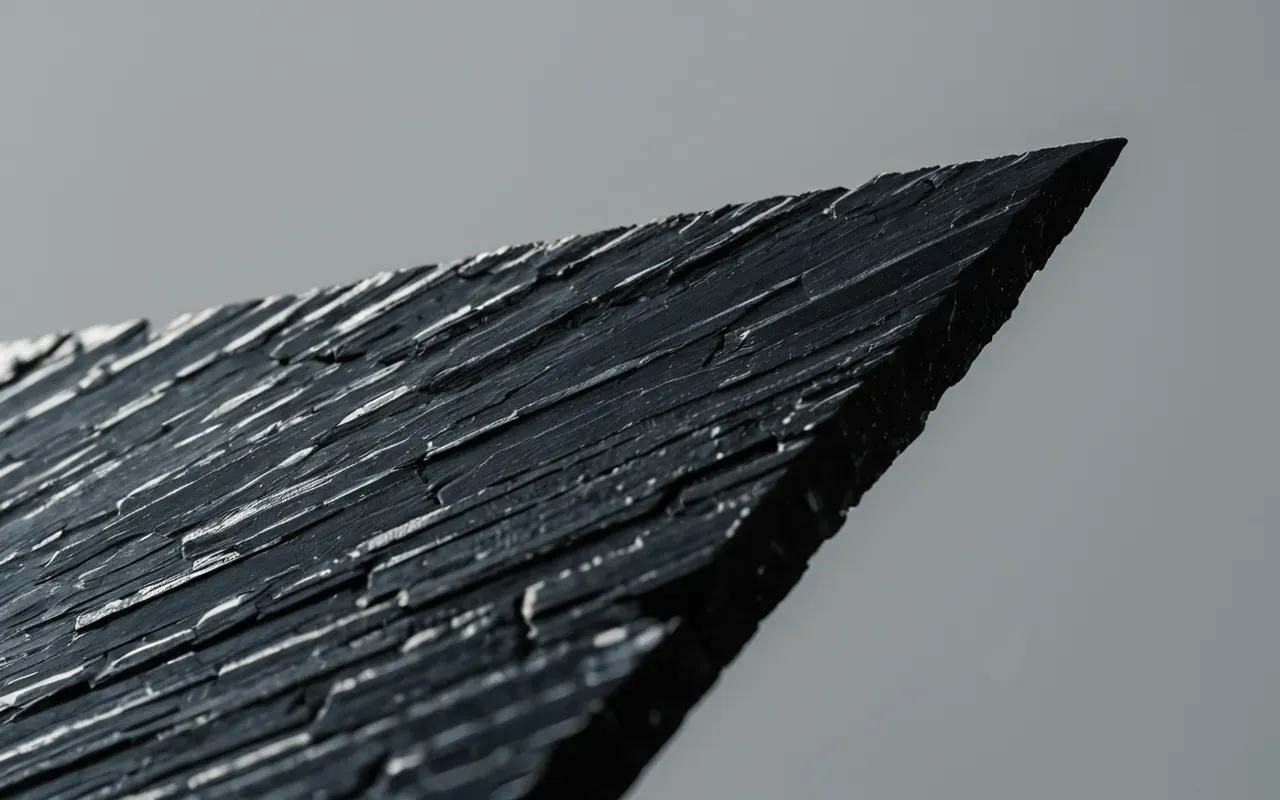
Flake it correctly and the atoms align in a way that creates an incredibly thin edge.
Modern steel has gaps. Even high-grade stainless steel shows microscopic imperfections under a microscope.
Obsidian doesn't. The edge can be as thin as two nanometers.
Why the Edge Matters More Than Power
In cutting tasks, resistance is the enemy. A blunt blade needs more force and does more tissue damage.
A sharp obsidian arrowhead penetrated bone with minimal energy transfer. Efficient.
The Grinding Revolution We Often Ignore
Chipping stone is fast. But it breaks easily.
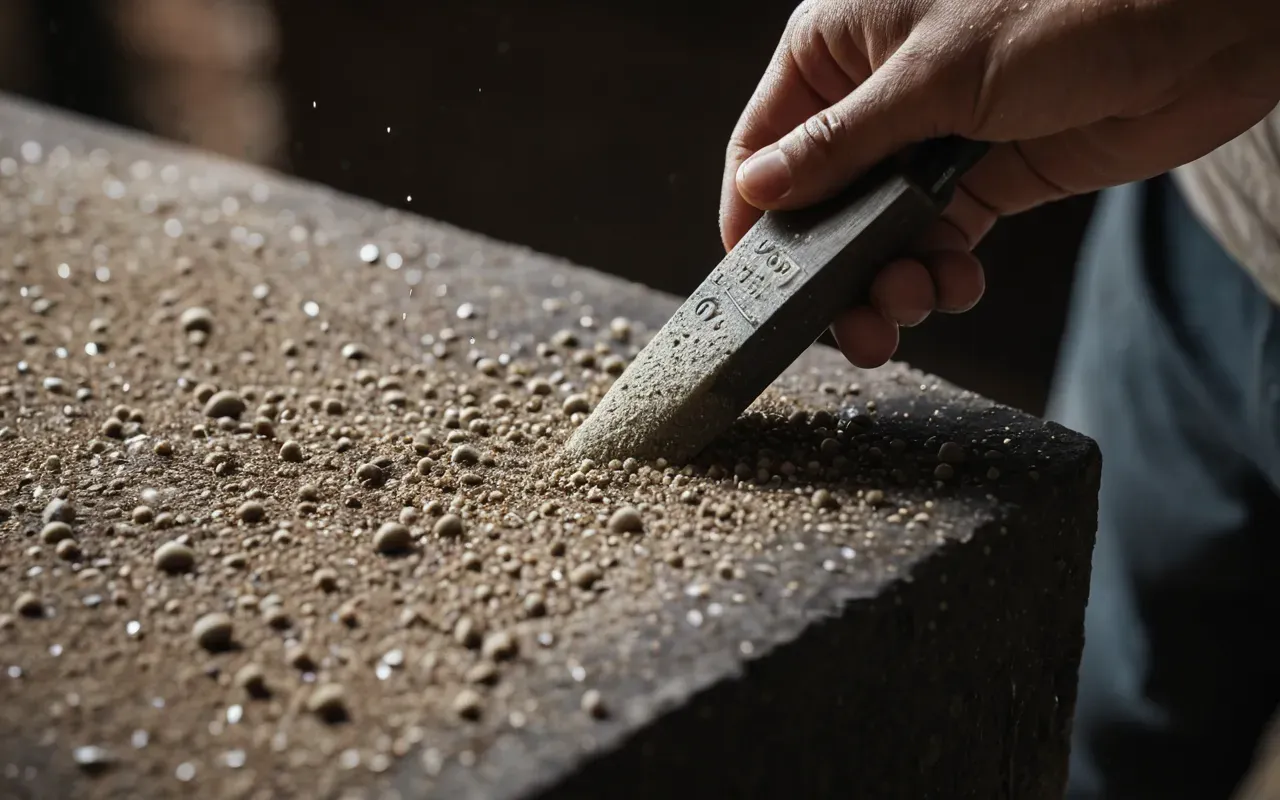
Grinding changed everything. It made tools durable.
The Labor Investment in Stone Axes
Think about the hours it took to grind a single axe head. That is not casual work.
It required water sources and consistent pressure over days or weeks. This was a deliberate choice.
They chose durability over speed of production. That's an engineering decision.
Architecture Without Mortar or Machines
We often dismiss prehistoric structures as crude. But look at the stability.
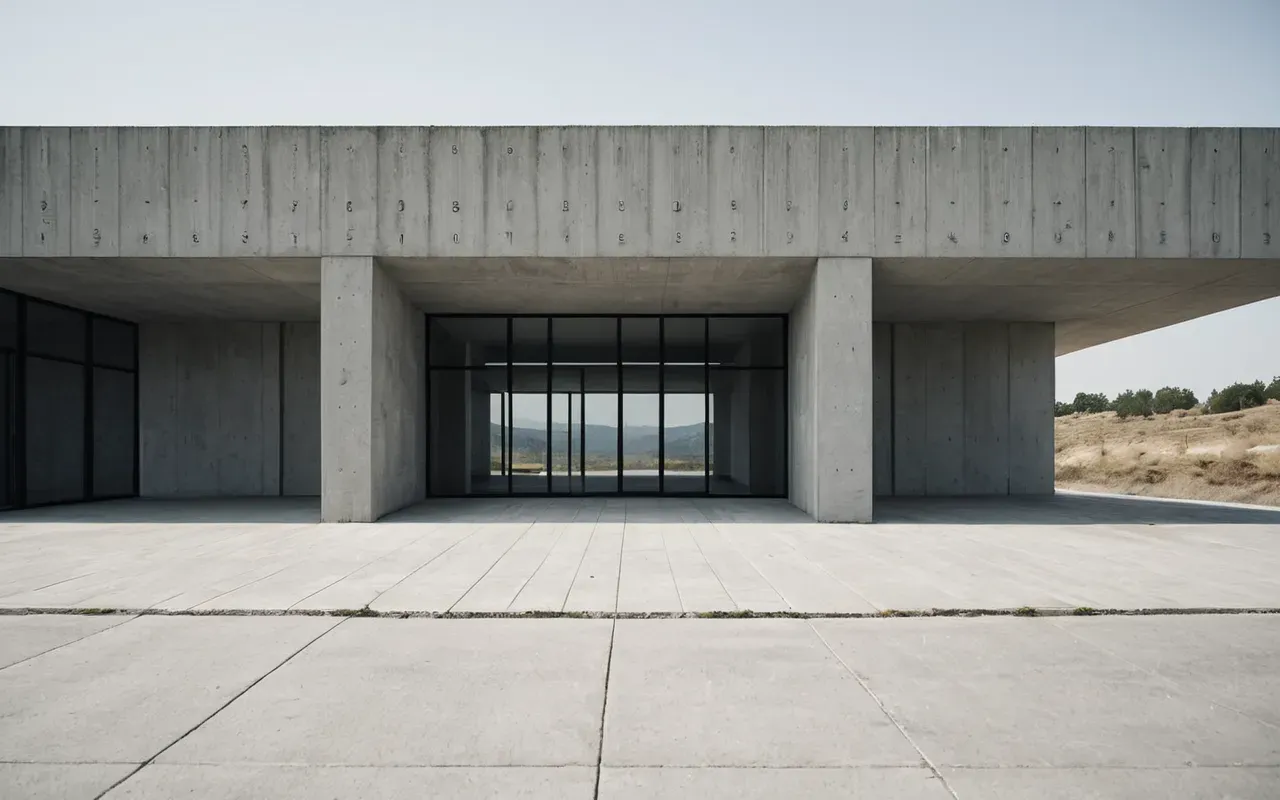
Neolithic builders used gravity and friction to create buildings that last millennia.
The Physics of Dry Stone Walls
Without cement, every stone must be placed with mathematical precision.
They understood load distribution better than many modern contractors do today. Honestly, it is humbling.
Textile Engineering Before the Loom
Cloth was a major technology. It protected against weather and disease.
Spindle Whorls as Precision Instruments
A spindle is a small weighted disc. It spins to twist fibers into thread.
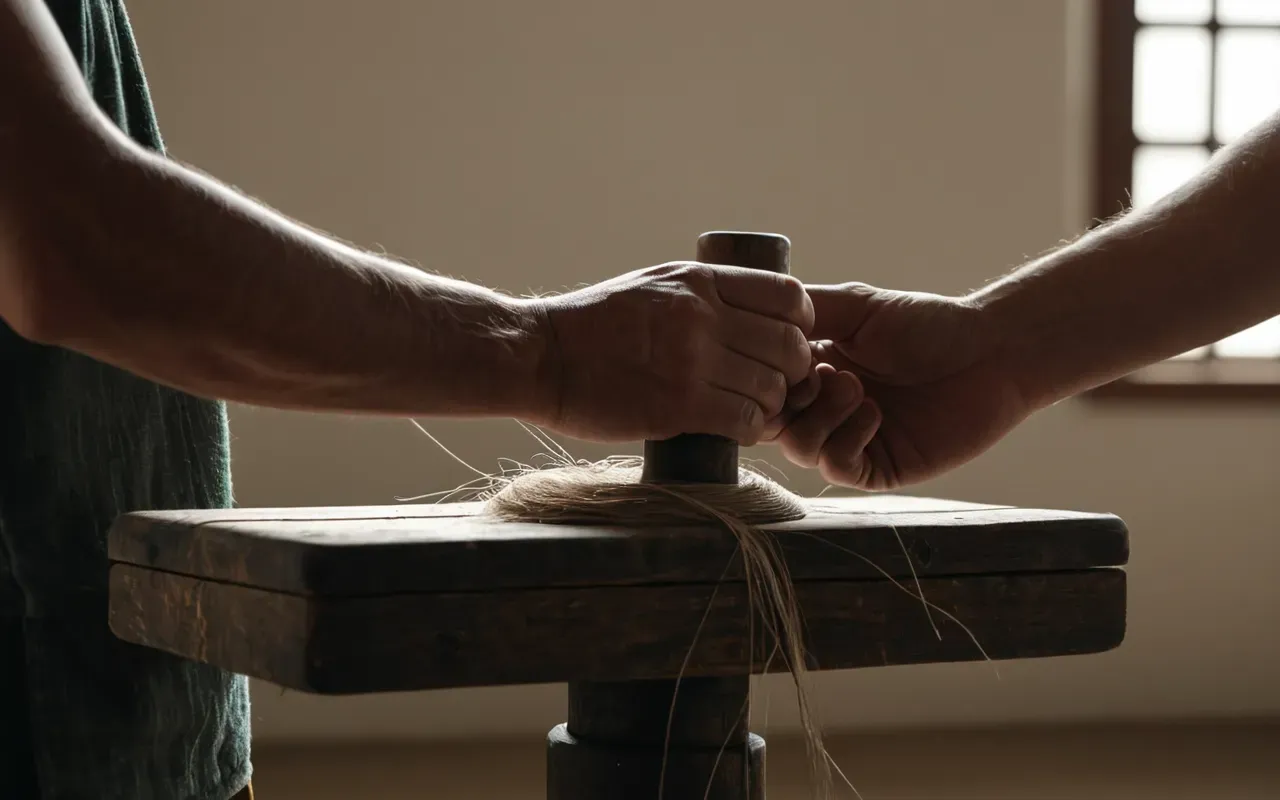
The weight had to be perfect. Too heavy and it spins too fast.
Too light and the twist is uneven. They calibrated these tools by feel alone.
The Taş Tepeler Project and Modern Contexts
In Turkey, the Taş Tepeler project is doing vital work. They are not just digging.
They are reconstructing the daily lives of these people. It changes how we see them.
From Museum Shelves to Living History
They create toys and games based on these findings. This makes the era accessible.
If you are interested in how we learn about the past, check out why a new research center might rewrite human history. It connects directly to these efforts.
The Myth of the Primitive Mindset
We project our own values onto them. We think they were simple.
But their tech was optimized for survival in harsh conditions. That requires high intelligence.
Why Modern Engineering Still Stalls on Their Tricks
We have computers. We have satellites.
So why do we struggle with sustainable materials? Because we forgot the basics.
Lessons from Ancient Friction Management
They used water and sand to reduce wear on tools. It was cheap and effective.
We use complex synthetic oils. Sometimes simple is better for longevity.
The Legacy in Our Daily Lives Today
You use their innovations every day without knowing it.
Cultural Artifacts and Modern Design
The shape of a spoon. The angle of a knife.

These forms were tested over thousands of years. They worked because they fit the human hand.
Gifts That Tell a Story
Collectors love items that have history. Neolithic art is unique.
It connects you to the roots of human ingenuity. It is a different kind of luxury.
Frequently Asked Questions
Was Neolithic obsidian sharper than modern steel?
Yes. Obsidian blades can have edges two nanometers thick, which is sharper than many modern surgical tools.
Why did ancient people choose grinding over chipping?
Grinding created stronger tools that lasted longer. The time investment was worth it for durability.
How does the Taş Tepeler project help education?
It creates games and toys based on real archaeology. This makes history engaging for children.
Can we still use Neolithic techniques today?
Yes. Simple friction and gravity principles are still used in sustainable construction.