Why a gathering of one thousand scholars is quietly dismantling what you think civilization means
The quiet revolution happening in Şanlıurfa
Most people picture the Neolithic era as a dim age of mud huts and basic farming. That image is crumbling fast.
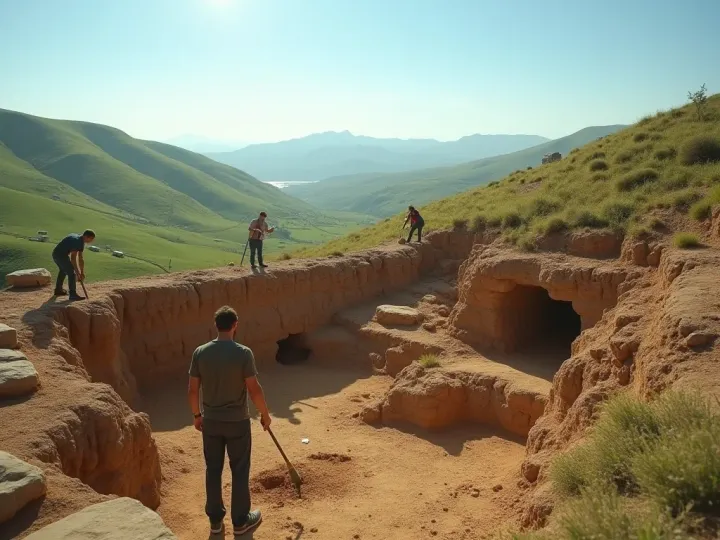
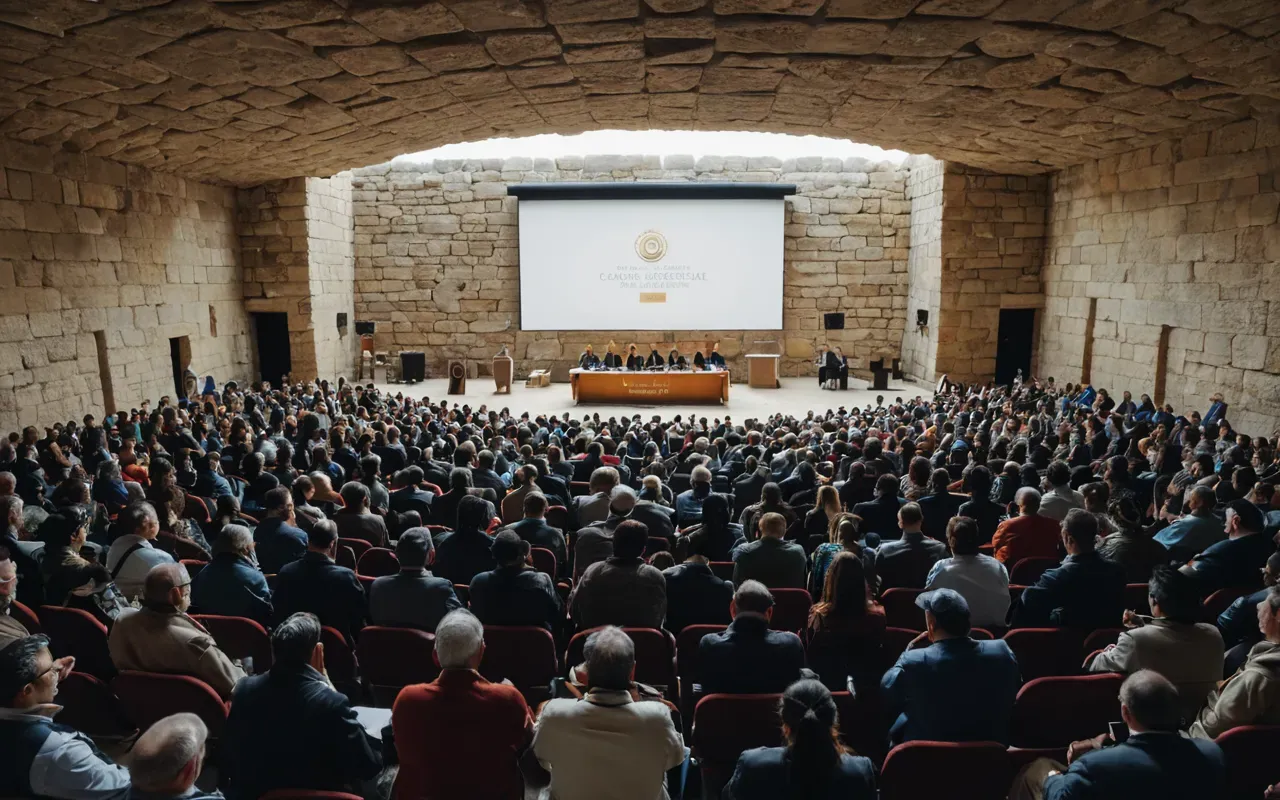
From November 4 to 8, 2024, Şanlıurfa hosted the first-ever World Neolithic Congress. Roughly 1,000 researchers from 64 countries packed into lecture halls and field sites.
They came to study Göbeklitepe and Karahantepe. But the real story is bigger than two famous sites. It's about how we define civilization itself.
What nobody told you about the Neolithic Revolution
Textbooks frame farming as a sudden leap from hunting to herding. It was not that simple. Not even close.
Scholars presented evidence of sophisticated social networks long before wheat and barley took hold. Trade routes stretched across thousands of kilometers.
One study detailed obsidian tools found in sites far from their source. These weren't random finds. They were part of a deliberate exchange system.
So much for the idea that Neolithic people were isolated and simple. They were connected traders with complex social rules.
The tech boom hidden in plain sight
Many assume Neolithic tools were crude. Recent findings prove otherwise.
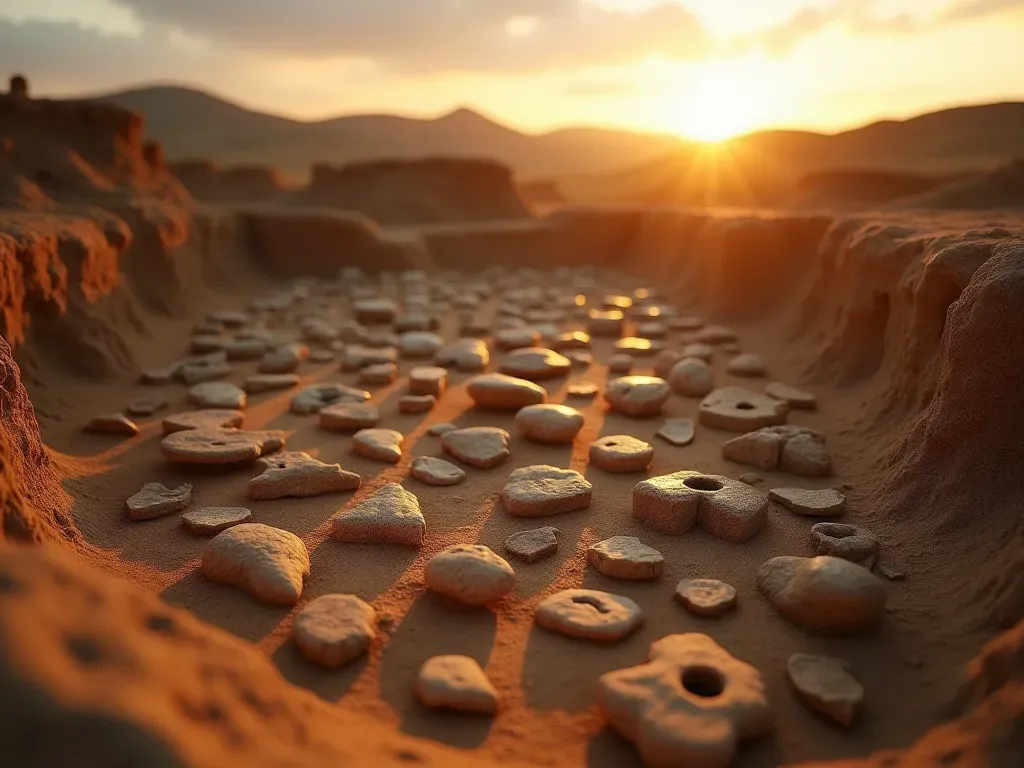
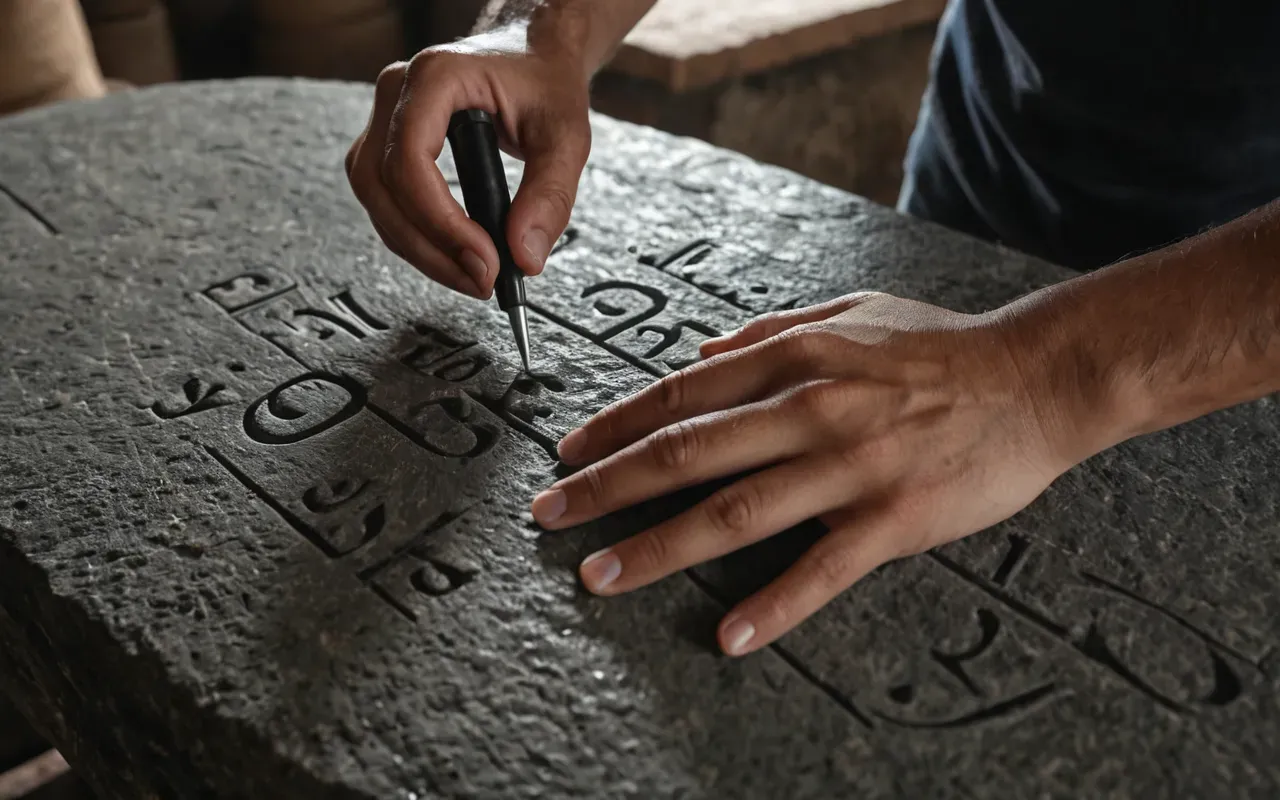
Researchers analyzed grinding stones with precision surfaces smoother than modern sandpaper. The manufacturing process required specialized knowledge.
If you're interested in how these methods compare to modern engineering, check out the Neolithic era technology that outperformed modern standards. The parallels are striking.
Who wins when history gets rewritten
This shift benefits local communities in Şanlıurfa the most. Tourism is no longer just about looking at monuments.
Residents now engage with the Taş Tepeler project as active participants. Museums feature interactive displays and educational games.
Schools integrate these resources into curricula. Children learn about Neolithic life through hands-on activities rather than static text.
The economic impact is tangible. Local guides earn higher wages. Craftsmen sell replicas of ancient tools to visitors worldwide.
A new generation of historians emerges
Young scholars from smaller institutions gained access to elite networks. That level of collaboration was previously rare.
Mentors shared unpublished data on site stratigraphy. This open approach accelerates global research efforts significantly.
If you want to see how academic training shapes these careers, read about the university that teaches excavation techniques. The methodology is universal.
The cultural ripple effect beyond the site
Museums are not just storage bins for old stones. They are dynamic hubs of cultural expression.
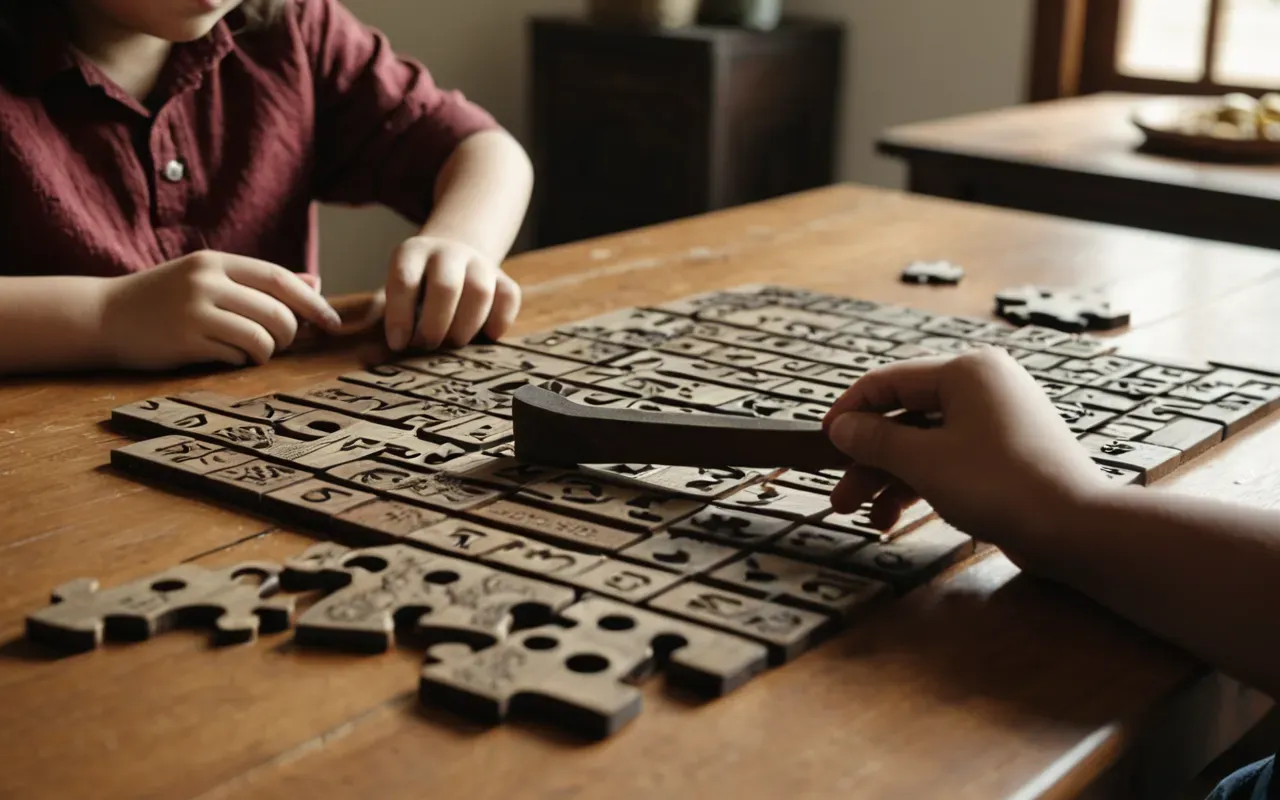
Designers created toys and puzzles inspired by Neolithic artifacts. These items make ancient history accessible to children.
Novelists are writing stories set in these early settlements. Fiction helps readers empathize with prehistoric daily life.
This blend of science and creativity is powerful. It turns dry facts into living narratives that people share voluntarily.
Why this changes more than people think
Understanding the Neolithic era helps us grasp modern societal structures. Many of our social norms have ancient roots.
For example, gender roles in early villages were more fluid than previously believed. New excavations support this view.
If you're curious about recent finds challenging gender assumptions, see why women were the only ones allowed to leave their Neolithic villages. The data is compelling.
This matters because it shows history is not fixed. It's a living conversation that evolves with new evidence.
The final takeaway for culture lovers
The World Neolithic Congress did not just share data. It redefined the scope of human ingenuity.
We're not just looking at old rocks. We are studying the blueprint of modern civilization.
Şanlıurfa has become a global hub for this research. The next decade will bring even more surprises.
Stay curious. The past is always trying to tell us something new about who we are.