Why a medieval church cross is actually a piece of a prehistoric monolith
A four-century-old mystery finally solved by modern science
The Devil's Arrows have stood near Boroughbridge for millennia. Tallest prehistoric stone row in Britain, in fact. And most people assume they got there by accident.
That assumption is now dead. A study from the University of York and Curtin University proves humans moved them. They hauled these rocks at least eleven miles.
But here's the part that actually matters. The researchers didn't just find where the rocks came from. They found where a missing one went.
It's sitting in a village square. Been there since the fifteenth century. And nobody suspected it was part of an ancient ritual site.
The impossible logistics of moving a mountain by hand
We tend to picture Neolithic people as simple farmers. Dragging logs, chipping flint, that sort of thing. This new data completely shatters that image.
These stones weigh twenty-five tonnes each. That's heavier than a large commercial truck fully loaded with concrete. And these people moved them over rough terrain.
The source was Brimham Rocks. A specific outcrop of Pennine Basin Millstone Grit. And get this — the builders bypassed closer sources to use this rock.
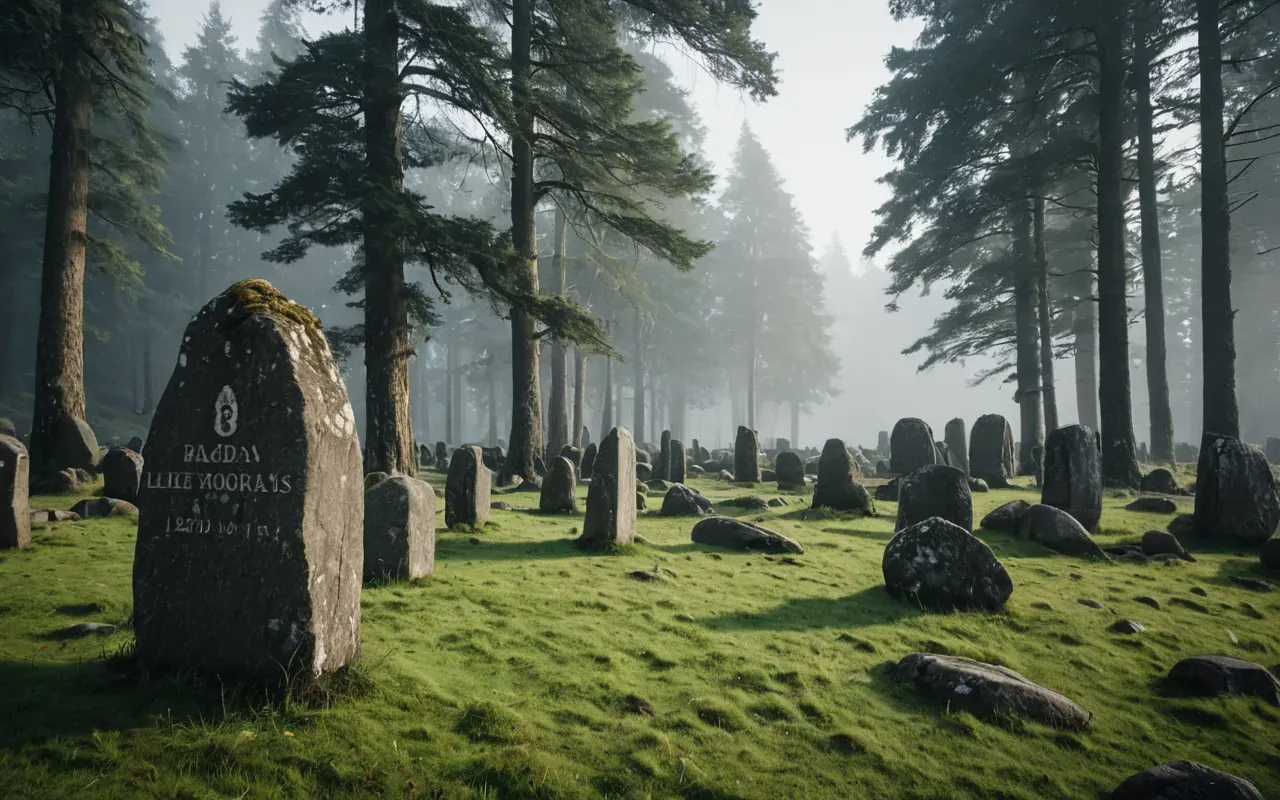
Why Brimham? Honestly, we don't know for sure. But the isotopic fingerprint is undeniable. The microscopic zircon and apatite minerals match perfectly.
This implies a level of organization we rarely attribute to them. It suggests they had routes, teams, and perhaps even specialized roles for hauling these massive objects.
Dr. Jim Leary points out that we ignore northern England in these discussions. We obsess over Stonehenge or Scotland. The Devil's Arrows are just as significant.
They served as a gateway to a ceremonial area. The region is packed with late-Neolithic henges between the Rivers Swale and Ure.
The ghost stone that became a local landmark
Historical records from the sixteenth century mention four stones. Today only three remain standing. The fourth disappeared for centuries.
Local folklore says the Devil threw them. It's a fun story to tell children. But it ignores the massive human labor required to erect these pillars.
A nineteenth-century antiquarian named J.R. Walbran proposed a different theory. He thought the missing stone was broken up for construction.
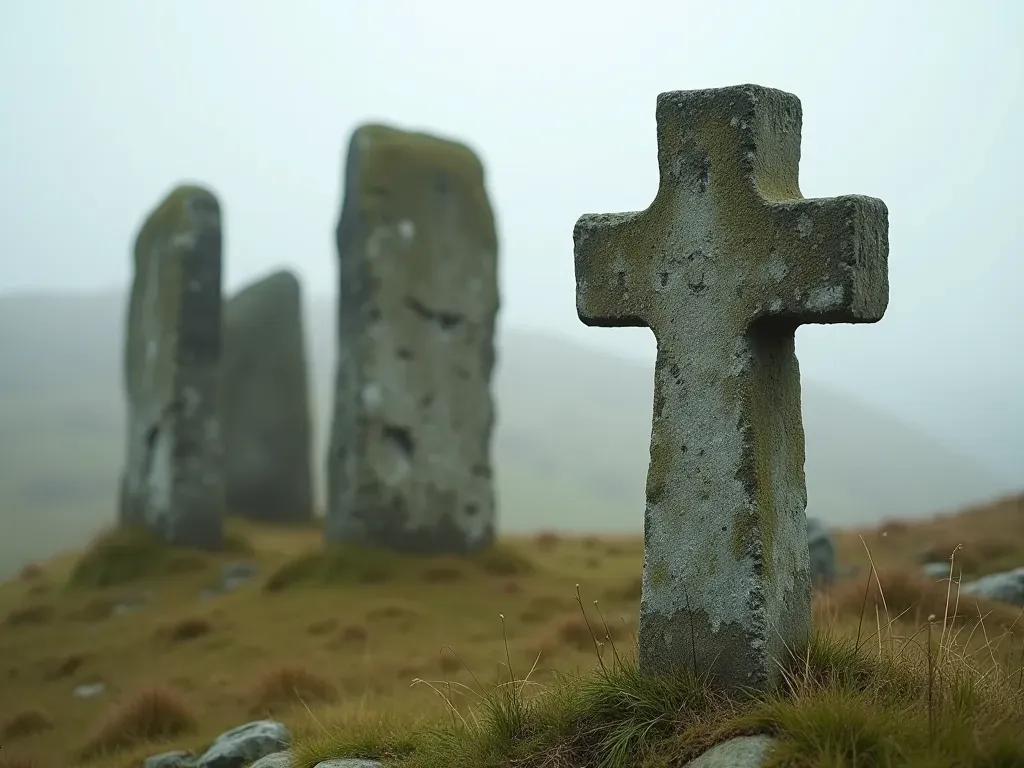
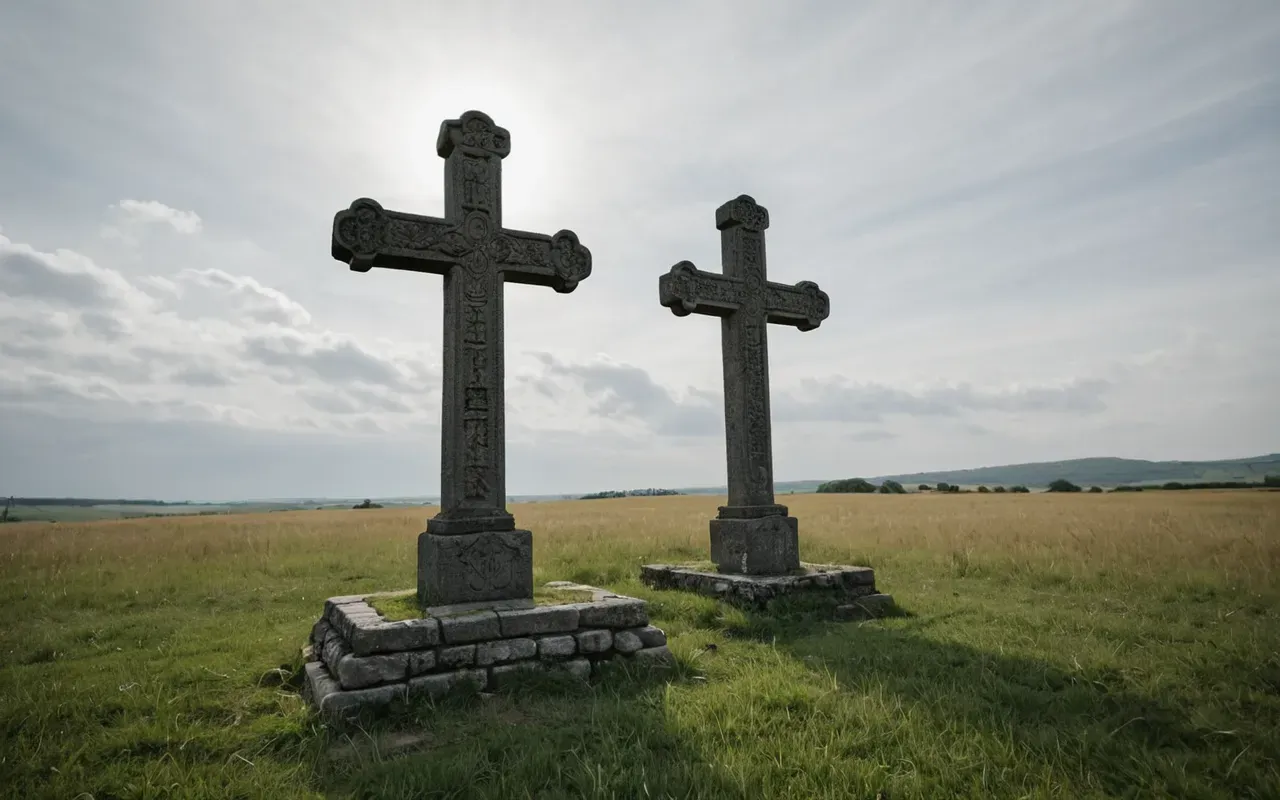
He pointed to a Battle Cross in Aldborough. A fifteenth-century monument. He believed it was carved from the lost ancient pillar.
Walbran was right. The new mineral analysis confirms his hypothesis. The medieval cross is made of the same specific millstone grit as the Arrows.
This is a huge deal. It proves that these ancient objects were not just left alone. They were quarried and repurposed later.
It shows a continuous thread of human interaction with these rocks. From the Neolithic era to medieval times, they were valuable resources.
Heritage organizations like Historic England welcomed the news. It provides a concrete timeline for how these sites were used and modified.
Why this changes what we think about ancient capability
We often underestimate Neolithic technology. We see them as primitive compared to modern standards. This study flips that perspective entirely.
Moving twenty-five tonnes requires planning. It requires strength and coordination that rivals modern construction projects in some ways.
If you are interested in how far ahead these people were, I recommend reading about the seven Neolithic inventions that outsmart modern engineering. It is a fascinating look at their skills.
The Devil's Arrows are not just rocks. They are a monument to human determination. They prove that we have been building ambitious structures for thousands of years.
The broader context of Neolithic engineering marvels
This is not an isolated case. Similar feats have been found across the continent. People moved massive stones to create sacred spaces and gateways.
Austria recently found a circle that makes Stonehenge look like a toddler project. It shows just how varied and complex these ancient cultures were.
You can learn more about that specific find by checking out how Austria just found a circle that makes Stonehenge look like a toddler project. It is mind-blowing.
These sites tell us that Neolithic society was not simple. It had hierarchies, specialized labor, and long-term planning capabilities.
Understanding this helps us appreciate the depth of human history. It is not just a story about farming. It is a story about building and connecting.
What this means for preservation efforts today
Knowing the origin of these stones helps us protect them. We can now identify other sites that might be using similar materials.
The National Trust has welcomed the research. It provides a new layer of understanding for visitors and scholars alike.
It also highlights the importance of interdisciplinary research. Geology and archaeology working together is where the real breakthroughs happen.
We need more of this kind of collaboration. It reveals stories that neither field could uncover on its own.
The Devil's Arrows are a testament to human ingenuity. They remind us that we have been capable of great things for far longer than we usually think.
So next time you look at an ancient site, remember. It was not magic. It was people working together to build something that would last.