The World Neolithic Congress Just Proved We Have The Origin Story Of Civilization Completely Backwards

The Stone Circles That Broke The Timeline
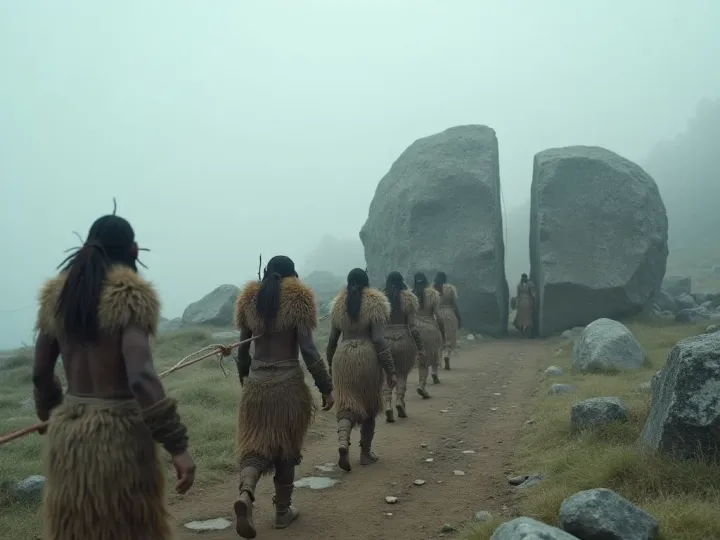
Look, we have all been fed the same story since school. Humans wandered as hunter-gatherers until someone figured out wheat. Agriculture forced us to stay put. Settlements grew. Then came cities. Then civilization. It is a neat line. Clean. Predictable. And it is completely wrong. I was struck by the sheer audacity of the new evidence coming out of Şanlıurfa. The World Neolithic Congress, which brought a thousand scholars to Turkey back in late 2024, laid out facts that make that old timeline look like a fairy tale. We are looking at monumental architecture that predates farming by millennia. Giant statues. Complex social hierarchies. And all of it built by people who still hunted gazelles and gathered wild grains.
Here is the thing that nobody in the textbooks mentions. The first cities did not rise because of food surplus. They rose because of something else entirely. The data suggests a burst of social and spiritual innovation that demanded gathering, labor, and organization long before the plow existed. To be fair, this flips the script on everything. It means the human brain was capable of hyper-complex cooperation way before we had pottery, wheels, or metal tools. The implications are staggering. If we rewrite the beginning, we have to rewrite the meaning of human progress.
What The Global Congress Actually Uncovered
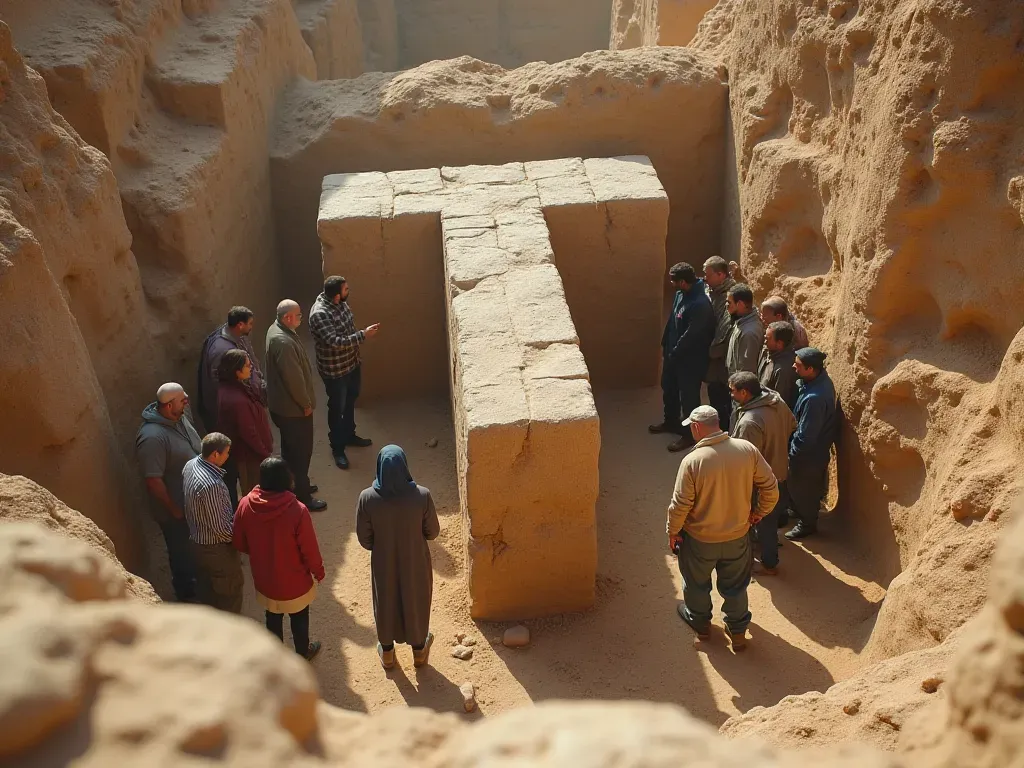
The event itself was a beast. From November 4 to 8, 2024, the city of Şanlıurfa transformed into the epicenter of ancient world research. We are talking about 1,000 experts from 64 countries and 487 institutions. That is not a local gathering. That is the global academic heavyweights descending on Harran University. The Ministry of Culture and Tourism and the TGA organized this under the banner of redefining Neolithic studies. They did not just throw a conference. They launched a platform to question every conventional theory about early sedentary life. Sessions covered bioarchaeology, physical anthropology, and geoarchaeology. The goal was clear. Dismantle the old assumptions.
I found the focus on environmental settings particularly sharp. The congress highlighted how the abundance of the region shaped these communities. Şanlıurfa was a green paradise back then. Water. Game. Wild cereals. The environment allowed hunter-gatherers to experiment with settlement without the immediate pressure of starvation. This nuance matters. It changes the narrative from desperation to choice. These people chose to build. They chose to settle. And they chose to carve stone on a scale that rivals later empires. The site visits included Göbeklitepe, Karahantepe, Sayburç, Çakmaktepe, and Sefertepe. All part of the Taş Tepeler project. Each site adds a new layer to the puzzle.
Honoring The Pioneers Who Changed Everything
You cannot talk about this region without bowing to the legends. The congress featured commemorative speeches for the late giants of the field. Klaus Schmidt, who opened the door to Göbeklitepe. Harald Hauptmann. Ofer Bar-Yosef. Bruce Howe. These scholars faced skepticism early on. They argued that Göbeklitepe was older than we thought. They argued that religion or social ritual drove the construction, not agriculture. Critics called it impossible. The data proved them right. Honoring them now feels like a victory lap for a new understanding of our past. Their work turned Şanlıurfa into the most important archaeological landscape on Earth.
Karahantepe's Giants Defy The Logic Of Primitive Life
While Göbeklitepe steals the spotlight with its UNESCO status and 12,000-year-old circles, Karahantepe is where the real shock is hiding. Excavations there since 2019 have uncovered something bizarre. Monumental structures. Hundreds of statues. And a single human statue that dwarfs everything else. This is the world's largest known human statue from the Neolithic era. It stands at the center of a complex. Just think about that. A society without metal tools, without the wheel, without writing, managed to quarry, transport, and erect a colossus. The energy required is mind-boggling. This was not a scattered village. This was a coordinated project involving hundreds of laborers over years.
The congress emphasized that Karahantepe reveals social hierarchies we did not expect. The scale of construction implies leadership. It implies planning. It implies a shared belief system powerful enough to mobilize the population. And yet, there is no evidence of palaces or obvious elite burials in the traditional sense. This suggests a different kind of organization. Perhaps religious authority drove the social structure. Or maybe community consensus was stronger than we can imagine. Your mileage may vary on the exact interpretation, but the physical evidence forces us to admit that Neolithic society was far from simple. These people were innovators. They were engineers. They were artists. And they did it all before the so-called dawn of civilization.
The Innovation Hub We Keep Dismissing
There is a bias in how we view the past. We call it primitive. We assume technology equals civilization. But if you look at the ingenuity required to carve those T-shaped pillars, the bias crumbles. The Taş Tepeler project argues that this region was an innovation hub. The techniques used here influenced developments across the continent. If you are curious about how these early breakthroughs actually shaped later societies, the research on Taş Tepeler culture reveals a high-tech innovation hub we often dismiss is a game changer. It shows that the cognitive leap happened right here, in Southeastern Anatolia, thousands of years before the Pyramids or Rome. The stones are the proof. They do not lie.
Taş Tepeler Is More Than Excavation It Is A Time Machine
The project goes deep beyond the trowel and brush. It is about connection. The Taş Tepeler initiative blends archaeological findings with modern cultural displays, educational resources, and even creative media. They are producing novels inspired by Neolithic themes. They are designing games. And yes, they have innovative toys. This approach is brilliant. It takes history out of the dusty museum case and puts it in the hands of the public. For enthusiasts and scholars in Turkey, this provides a unique blend of information and engagement. It makes the ancient period accessible. It makes it exciting. And it ensures that the story of Göbeklitepe and Karahantepe resonates with a wider audience.

A Gift To The Future On Children's Day
I want to pause on the timing here. Today is August 15, 2026. In Turkey, this is National Sovereignty and Children's Day. It is a holiday dedicated to the youth, to their rights, and to their future. The focus of the Taş Tepeler project on toys, games, and educational literature feels incredibly relevant right now. We are celebrating the children of the nation, and simultaneously, we have a project that gives them tools to connect with their deepest roots. These are not just toys. They are bridges to the past. They allow a child in 2026 to hold a replica of an artifact and feel a spark of curiosity about the people who carved stone 12,000 years ago. That is powerful.
The holiday reminds us that the future belongs to the young. By making Neolithic history playful and engaging, the project hands that future over to them. It argues that understanding where we came from is a gift worth giving. Collectors and culture lovers can find Neolithic-themed gifts through the project — items meant to keep the memory of these ancient times alive. But for a child, a Neolithic game or novel is something else entirely. It's an invitation to explore. Heritage becomes adventure. That fits the spirit of the day perfectly. We honor the sovereignty of the nation by making sure its young people know their own origin story. The stones of Şanlıurfa are part of that identity, whether we admit it or not.
Why This Changes More Than People Think
The congress findings ripple far beyond the conference hall. If the Neolithic revolution was driven by social and spiritual innovation, not just agricultural necessity, our whole view of human nature shifts. The urge to build, to worship, to organize — that's innate. It predates our ability to feed ourselves efficiently. This reframes the entire arc of societal development. We aren't just survival machines. We're meaning-makers. The Taş Tepeler project shines a light on how Neolithic innovations shaped early societies. It shows that the roots of modern cultural heritage are tangled up in these ancient choices. Exploring this period deepens our understanding of early human ingenuity. For culture lovers and history buffs, it's an invaluable resource.
And the global collaboration at the congress points to something bigger: a shifting academic landscape. Scholars from everywhere are converging on Turkey. The focus is drifting away from the traditional Mediterranean or Mesopotamian centers toward Southeastern Anatolia. That's a correction of the historical record. Şanlıurfa is the cradle. The discoveries here are redrawing the map. If you want to see how international efforts are uncovering these layers, the work being done by Chinese archaeologists digging up secrets that rewrite the Neolithic story adds another fascinating dimension to the global interest. It proves the world is watching. The world is digging. And the results are rattling the foundations of history.
The Hidden Power Of Modern Interpretation
There's a subtle power dynamic here, too. Who tells the story? How is it told? The Taş Tepeler project isn't just preserving stones. It's actively shaping modern cultural identity. By weaving findings into contemporary media, it changes how people perceive their own heritage. That matters. If heritage stays locked in academic papers, it dies. But bring it to life through novels, games, and displays, and it survives. It breeds pride. It connects past to present. The hidden influence of these innovations on modern culture can't be overstated. They remind us that we're part of a long chain of creativity. And that chain begins with the stone carvers of Şanlıurfa.
The Road Ahead For Neolithic Studies
The congress was a milestone, but it's not the endpoint. It's a launchpad. With 1,000 scholars now tied to the region, research will accelerate fast. New technologies will be applied to the sites. Bioarchaeology will uncover more about the diet and health of these early settlers. Geoarchaeology will reconstruct the ancient environment with sharper precision. The Taş Tepeler project is well-positioned to lead this charge. Its comprehensive approach ensures findings aren't just published — they're shared. The project offers engaging historical information and educational resources that keep the public invested. That blend of scholarship and outreach is rare. It creates a sustainable model for heritage management.
Honestly, I'm optimistic about what comes next. The momentum is real. Şanlıurfa is cementing its role as the global hub for Neolithic research. The sites are protected. The interest is high. And the stories are just getting started. When you read through the descriptions of Sayburç or Sefertepe, you can feel the potential. There are still secrets buried in the soil. There are still questions waiting for answers. The congress raised those questions. The project is building the tools to answer them. Whether you're a scholar, a collector, or a parent hunting for a meaningful gift for your child, the Neolithic world is open for business. Time to engage. Time to learn. And time to realize the past is anything but dead.
Connecting Past And Present Through Resources
This history being accessible is a win for everyone. The project's commitment to making the era exciting for a broad audience bridges the gap between academia and the public. For those curious about how these resources shape our understanding, exploring the connection between past and present through educational resources offers a deeper look at the impact. We're seeing a shift from passive observation to active participation. Kids playing with Neolithic toys aren't just playing. They're learning about cooperation, about art, about the human drive to create. They're absorbing the values of the earliest communities. That's education in its purest form. It's experiential. It's memorable. And it honors the legacy of the Taş Tepeler.
Final Thoughts On The Stone Revolution
So what does it all add up to? It means we have to check our biases. It means we have to respect the ingenuity of our ancestors. The people of Şanlıurfa were not primitive. They were pioneers. They built monuments that defy logic. They organized societies that challenge our assumptions. And they left a legacy that's still reshaping our world today. The World Neolithic Congress proved the conversation is global. The Taş Tepeler project proves the story is accessible. Together, they offer a comprehensive insight into Neolithic culture. They highlight the significance of ancient tools and artifacts. And they remind us that history isn't a dead line. It's a living, breathing narrative that connects us all. The stones speak. We just have to listen.